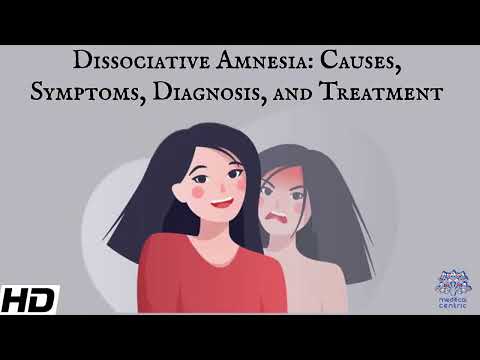
So, have you ever lost your keys and, for the life of you, can’t remember where you put them? It’s super frustrating, right? Now, imagine that feeling, but it’s like forgetting a whole chunk of your past.
That’s what dissociative amnesia is all about. It’s more than just a “where did I put my stuff?” moment. We’re talking about serious memory loss tied to trauma or stress. Crazy, huh?
People with this condition might forget specific events or even parts of who they are. It’s like their minds are hitting the reset button when things get too heavy. The brain has its ways of coping, but sometimes it takes it a bit too far.
Let’s dig into what this means for those living with it and how it all works on a psychological level. You might learn something that really resonates!
Understanding Dissociative Amnesia: A Comprehensive Test Guide
Dissociative amnesia is one of those things that sounds way more complicated than it actually is. Basically, it’s when someone can’t remember important info about themselves, usually because of trauma or stress. You might be thinking, how does that even happen? Well, our brains are pretty good at protecting us from overwhelming experiences, and sometimes they do this by blocking memories. Wild, right?
When someone has dissociative amnesia, it’s not just a case of forgetting where you put your keys. It tends to involve significant gaps in memory that can last for days or even years. There are a few types:
- Localized Amnesia: This is when a person cannot remember events during a specific time period. Imagine if you went through something really scary last week and just couldn’t recall any of it.
- Generalized Amnesia: Here, you forget your life history—like who you are and what you’ve done. That’s some heavy stuff!
- Systematized Amnesia: This type focuses on specific categories of information. For instance, maybe you lose memories about certain people but remember everything else.
So why does this happen? Well, it often links back to really stressful or traumatic events—things like abuse or severe accidents. Your mind kind of hits the pause button on those memories as a way to cope with the pain.
Let’s say you’re walking down the street and suddenly see something that reminds you of a traumatic event from your childhood—maybe an old playground where something bad happened. Your brain might block out that memory because it’s too much to handle right then and there.
People with dissociative amnesia might notice changes in their mood or behavior too. They could feel disconnected from their emotions or have trouble focusing on tasks. It’s like being in a fog; everything feels surreal.
Now, how do people usually find help for this? Therapy is often the go-to option here. A therapist trained in trauma can help individuals slowly work through their experiences and gently encourage them to recall what they’ve blocked out over time.
Sometimes medication may be prescribed if there are other conditions involved, like anxiety or depression—but it’s more about addressing the underlying issues rather than treating the memory loss directly.
So if you know someone going through this—or you’re experiencing it yourself—the important thing is that healing is possible! Therapy provides a safe space to explore memories at your own pace without pressure.
You definitely want to reach out for help if dissociative amnesia starts messing with day-to-day life or relationships—that’s super key! Remembering who we are can be tough sometimes, but with support and understanding, it’s totally doable to piece things back together again!
Understanding Dissociative Amnesia: Key Symptoms You Need to Know
Sure thing! Dissociative amnesia can feel pretty confusing, so let’s break it down together. You might not know this, but it’s a mental health condition that’s all about memory loss. But it’s not just your average forgetfulness; it’s related to trauma or stress. Crazy, huh?
What is Dissociative Amnesia?
It’s when you can’t remember important personal information. This isn’t due to regular forgetfulness or a medical issue like brain damage. It’s more about your mind protecting itself from overwhelming feelings or experiences. You could forget your name, where you live, or even significant life events.
Key Symptoms: What to Look Out For
So, what are the main symptoms? Here are the big ones:
- Memory Loss: This can be selective or complete. You might struggle to recall specific events or even larger chunks of your life.
- Disorientation: Sometimes people feel lost in their own lives. It’s like waking up and realizing everything around you feels foreign.
- Emotional Numbness: You may feel disconnected from your feelings, like you’re watching your life happen from a distance.
- Dissociation: This could involve daydreaming for long periods or feeling like you’re outside of your body during stressful situations.
It’s important to note that these symptoms aren’t always constant. They might come and go based on your stress level or triggers.
An Anecdote Worth Sharing
Picture this: Sarah’s going through a tough time after losing someone she loved. At work, she suddenly realizes she can’t remember anything about her childhood or even what happened last week! It feels surreal—like flipping through a photo album where half the pages are missing.
Sarah’s situation shows how traumatic experiences can lead to dissociative amnesia. Her mind was trying to shield her from painful memories by closing off those parts of her past.
The Link with Trauma
Often linked with trauma, dissociative amnesia acts as a coping mechanism. You know how sometimes people say “my mind just went blank”? Well, for folks dealing with intense stress or trauma, that «blanking out» is their brain’s way of saying “I need a break.”
If this resonates with you or someone you know—don’t hesitate! Talk to someone who gets it: therapists and counselors specialize in these kinds of situations and can help piece together those lost memories in a safe way.
In the end, understanding dissociative amnesia isn’t just about knowing the symptoms; it’s about recognizing that there’s often more beneath the surface—painful memories that need addressing rather than ignoring. And yeah, it’s definitely okay to seek help navigating this emotional maze!
Understanding Dissociative Fugue: Causes, Symptoms, and Treatment Options
Dissociative fugue sounds super intense, doesn’t it? It’s basically when someone experiences a bizarre form of memory loss, but there’s more to it than just forgetting stuff. So, let’s break it down.
What is Dissociative Fugue? It’s like your mind is hitting pause on your life. Imagine waking up one day and not having any idea who you are or where you belong. You just pack your bags, leave home, and start a new life somewhere else without even realizing what you’re doing! It can be really confusing for both the person experiencing it and their family.
Now, how does this happen? Well, the causes are often tied to stress or trauma. Think about it: if you’ve been through something truly awful—like a car accident or losing someone really close to you—your mind might try to protect itself by blocking those memories out. This stress response can lead to dissociative fugue.
Next up are the symptoms. They don’t just stop at memory loss. Here are some key points:
- You forget important personal info—like your name or where you’re from.
- You might take off and find yourself in a completely different place.
- Some people may feel disconnected from their thoughts or identity.
That sounds pretty rough, right? One minute you’re living your life, and the next you’ve got no clue who you are. Friends and family might notice some changes in behavior too. They could feel like they’re talking to a stranger even though it looks like you.
Now let’s talk about how this gets treated. First things first: therapy is often the go-to option here. A mental health professional will help piece together those lost memories and work through whatever trauma triggered this whole thing in the first place. They might use approaches like cognitive-behavioral therapy (CBT) or eye movement desensitization and reprocessing (EMDR), which sounds high-tech but is really about helping people process their feelings.
Sometimes medications come into play too, particularly if there are other mental health conditions involved—like anxiety or depression—that need managing alongside dissociative fugue.
So yeah, dealing with dissociative fugue can be complicated but recovery is totally possible! With help from therapists and support from loved ones, many people find their way back to feeling like themselves again.
In short, whether you’re struggling with memory loss or know someone who is, remember that it’s always okay to reach out for help. Mental health issues are real, but they don’t have to define anyone’s story forever!
Dissociative amnesia, man, it’s one of those things that hits hard when you think about it. Imagine waking up one day and just… poof! Your memories are gone. Not just the embarrassing ones from high school, but sometimes chunks of your life that really shape who you are. It’s wild and kind of scary when you start to dig deeper into it.
So, here’s how it usually goes. This isn’t just your everyday forgetfulness like misplacing your keys or forgetting a friend’s birthday. Dissociative amnesia is often tied to trauma—like a protective mechanism that kicks in when your brain can’t handle something super intense or painful. Let me tell you about my buddy Mike for a sec, okay? A few years back, he went through this pretty rough breakup that threw him off his game completely. One night after a heated argument, he suddenly couldn’t remember anything from the previous year of his life—his job, his friends, even family gatherings just… vanished! That’s some serious stuff.
When you think about memory loss like this, it kinda makes sense. Your mind is trying to shield you from feelings that are too heavy to carry around all the time. But on the other hand, it’s not like there’s a reset button for life; those memories are part of what makes us who we are! And then there’s the added layer of confusion and fear when someone realizes they’ve lost parts of their life or don’t recognize their own story anymore.
When people with dissociative amnesia try to piece things back together, it can be intense. Therapy can help guide them through this mess and start reconnecting those missing pieces—but it’s not always easy sailing there either. Some folks might feel anxious or even angry as they confront what they’ve been avoiding.
In the end, it leaves you wondering how much our brains can take before they decide to hit pause on memory for protection’s sake. It really makes you appreciate all those little moments in life that build up who we become—like every laugh shared with friends over pizza or those quiet nights at home snuggled up watching bad movies. So if you ever find yourself forgetting something minor? No biggie! But if someone close to you vanishes memories like a magician’s trick? That deserves some serious attention and understanding—because who we are is stitched together by our experiences, good and bad alike.