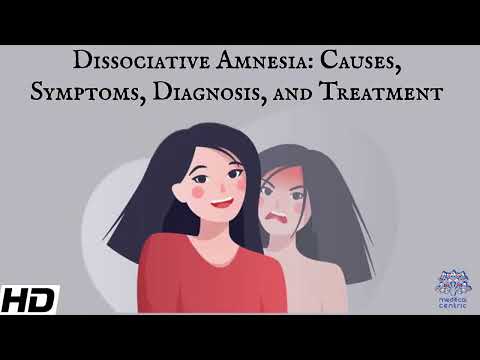
You know those moments when you forget something important? Like, you walk into a room and totally blank on why you went in there? It happens to everyone, right? But what if that forgetfulness goes way deeper?
Dissociative amnesia is one of those things that sounds super complicated, but it’s really just about losing memories. Not the “I can’t remember where I put my keys” kind of deal. We’re talking about forgetting significant stuff—like personal events or traumatic experiences.
It’s wild how the mind works. Sometimes, it just shuts down certain memories as a way to protect us from pain. Let’s take a closer look at this curious condition and what it really means. Seriously, it’s kind of eye-opening!
Understanding Dissociative Amnesia: A Simple Explanation for Everyone
Dissociative amnesia can be a real head-scratcher, right? So, let’s break it down in a way that makes sense. Basically, it’s like your brain is hitting the pause button on certain memories. And not just any memories; we’re talking about important ones that are tied to overwhelming stress or trauma.
What’s happening here? Well, your mind often wants to protect you from things that are too painful to remember. This can happen after traumatic events like accidents, abuse, or even witnessing something really shocking. It’s as if your brain says, “Whoa! That’s too much for you to handle!” and just decides to tuck those memories away.
What does it look like? People with dissociative amnesia may forget personal information—like their name or where they live—or specific events that happened during a certain time frame. Imagine someone who went through an awful car crash and can’t recall key details of their life leading up to it. It’s not just temporary forgetfulness; it feels more like they’ve been removed from their own history.
A common situation is when someone might suddenly forget all about their childhood or a traumatic experience but still remember how to do everyday things like drive a car or go to work. They might even feel disconnected from themselves, almost like they’re watching their life unfold instead of living it.
Why does this happen? Anxiety plays a huge role here, exacerbating the feelings of detachment and disconnection. It’s your mind’s complicated way of coping with what’s too tough to face directly. Sometimes those forgotten memories can eventually resurface over time—when the person feels safe enough for them to come out again.
And here’s something interesting: not all cases are the same! Some folks may experience small gaps in memory for specific events while others lose larger chunks of their past.
Treatment often leans on therapy—like talk therapy or cognitive-behavioral techniques—to help people process these experiences safely and gradually bring back those lost memories at a comfortable pace.
So there you have it—a rundown on dissociative amnesia! You know how sometimes you just want to escape reality? Well, that can be what happens on an emotional level with this condition. Your brain is doing its best to protect you from pain; it’s just using an unusual tactic!
Understanding Dissociative Amnesia: Insights from Psychology Today
Dissociative amnesia can feel really confusing, both for those going through it and for their loved ones. Basically, it’s when someone can’t remember important information about themselves or past events. This isn’t just forgetfulness; it’s more like your mind is shutting down that part of your memory, often because it’s tied to trauma or stress.
When you think about it, our brains have a unique way of protecting us. Imagine if you experienced something super overwhelming—a car accident, for instance. Your brain might decide to block those memories to help you cope. It’s kind of like pressing the mute button on a loud TV show that you just can’t handle right now.
This type of amnesia isn’t permanent for everyone. People can recover memories over time, but the process varies from one individual to another. Some folks might remember in bits and pieces or suddenly recall everything in a single moment—it really depends on the person and their situation.
Here are some key points about dissociative amnesia:
Sometimes, dissociative amnesia overlaps with other psychological issues like PTSD or depression. It’s not unheard of for someone with PTSD to experience memory gaps related to their traumatic experience. So, it’s all interconnected—your emotions and memories play a big role in your mental health.
On a more personal note, I remember hearing about someone who couldn’t recall their wedding day after going through a tough breakup. That day should’ve been full of joy! But for them, it was too painful to relive the memories associated with it—so they blocked them out entirely.
Dissociative amnesia is not something people choose; it’s a protective mechanism of the mind. If you think this fits what you’re experiencing—or if someone close to you seems lost in memories—they should definitely talk to a mental health professional. Getting help can make such a big difference!
Understanding Dissociative Amnesia: Origins of the Term and Its Psychological Implications
Dissociative amnesia can sound pretty heavy, but let’s break it down together. Basically, it’s when someone forgets significant personal information, usually related to a traumatic or stressful event. Think about those moments in life that are just too overwhelming to bear. Your mind, in a way, helps you out by blanking them out.
The term itself has some interesting roots. “Dissociative” comes from the idea of separating oneself from reality or one’s thoughts. So when you hear “dissociative amnesia,” it’s like your brain says, “Nah, we’re not dealing with that right now.” It’s a way your mind protects itself.
What triggers dissociative amnesia? Well, typically it’s linked to trauma. Maybe someone went through an intense accident or experienced something shocking—like losing a loved one suddenly. In these cases, the brain might decide that forgetting parts of that experience is easier than facing the pain every day.
There are different types of dissociative amnesia:
- Localized Amnesia: This is when you can’t remember a specific period of time; like if something super stressful happened during your childhood and you just can’t recall it.
- Selective Amnesia: Here you’re missing memories about certain events but remember everything else around them.
- Generalized Amnesia: This is more severe and involves losing your entire identity or life history. It’s rare but really serious.
Okay, so what does all this mean for someone dealing with it? Imagine being at a family gathering and recognizing faces but not recalling their names or how you’re related to them! Frustrating, right? You might feel lost in your own life.
Psychologically speaking, dissociative amnesia isn’t just about memory loss; it speaks to deeper issues like stress and how the mind copes with trauma. It can affect relationships since people around may not understand what you’re going through.
Treatment often involves therapy aimed at processing those hidden memories safely. Therapists help patients gradually confront their pasts without being overwhelmed by emotions.
So there you have it: the origins and implications of dissociative amnesia laid out simply! It’s all tied up in how we handle trauma and protect ourselves from emotional pain. Knowing this might even help someone make sense of their experience if they find themselves struggling with memory loss like this.
Dissociative amnesia can sound like a character from a movie or something, right? But really, it’s a serious thing. Imagine you’ve gone through something super traumatic—like losing someone close, or maybe even experiencing an awful event. Your brain, in its own weird way, tries to protect you by sort of shutting down memories related to that experience.
So here’s the thing: with dissociative amnesia, you might suddenly forget chunks of your own life. That can be just a few days or it might be longer periods, and hey, it could even include personal info like your name or where you live. It’s not just about having a bad memory—it’s like your brain is hitting the pause button on those painful memories.
I remember talking to a friend once who went through a pretty rough breakup. She told me there were times when she couldn’t recall what happened during that whole phase of her life, almost like those months had completely vanished in the fog. It was scary for her but also eye-opening, you know? It showed how our minds can sometimes pull these stunts to shield us from pain.
The tricky part is that this kind of memory loss isn’t due to brain injury; it’s more psychological. You need proper support and maybe some therapy to navigate through it all and figure out what’s going on up there in your head.
In short, while dissociative amnesia might seem like something out of fiction, it’s very real for those who experience it and highlights just how complex our minds can be when they’re trying to cope with life’s heavy stuff. It’s wild how protective our brains can get!