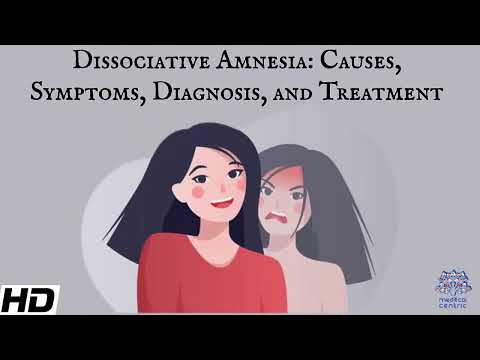
So, dissociative amnesia. It sounds heavy, right? But really, it’s just a fancy way of saying that your brain can decide to hit the pause button on certain memories. Like when you zone out during a boring lecture and later can’t remember a thing.
You might be wondering why that happens. I mean, we all have moments where we forget stuff, but this? This is a whole different level. It’s like your mind is trying to protect you from something tough or painful.
I remember chatting with a friend who suddenly couldn’t recall parts of her childhood. It was baffling… and honestly kind of scary for her. What’s even more wild is how different types of amnesia can show up!
Let’s dig into that together.
Understanding the Four Types of Dissociative Amnesia: Symptoms, Causes, and Implications
Dissociative amnesia can be a pretty confusing thing, and honestly, it’s not something most people think about every day. But if you’re curious to know more about it—like the four types, symptoms, causes, and what it all means—let’s break it down.
Dissociative Amnesia is when someone can’t remember important information about themselves. It’s not just forgetfulness; it’s more intense, often tied to trauma or stress. Imagine going through something really tough—like a car accident or losing someone you love—and then finding that your mind just shuts off those memories. That’s kind of how this works.
There are four main types of dissociative amnesia. Here’s a quick rundown:
- Localized Amnesia: This is when you forget events that happened during a specific time period. For example, if someone experienced a traumatic event last week, they might not remember any details from that day.
- Selective Amnesia: This one involves forgetting certain parts of an event while still remembering others. Picture someone recalling the general experience of a wedding but blocking out the hurtful argument that happened there.
- Generalized Amnesia: This is rare but intense. A person with generalized amnesia forgets their entire life history—who they are and where they come from. It’s like hitting the reset button on memory.
- Continuous Amnesia: This means someone keeps forgetting new information after a specific event or period. They could struggle to remember what happened each day since their trauma.
So, what causes all this? Well, think about how your brain tries to protect you from pain. When something incredibly stressful happens, your brain might just decide to lock those memories away so you don’t have to deal with them right now—or ever! Trauma is the big player here; experiences like abuse or significant loss can trigger these memory gaps.
But here’s where things get tricky—though dissociative amnesia helps in the moment, it can lead to problems later on like anxiety or difficulty forming relationships because unresolved trauma tends to linger around like an unwanted guest.
It’s essential for folks dealing with dissociative amnesia to seek help from professionals who understand these issues well. Therapy might involve talking through those painful memories at a safe pace or even using techniques like EMDR (Eye Movement Desensitization and Reprocessing) which helps process traumatic memories.
Overall, understanding dissociative amnesia isn’t about slapping on a label; it’s about recognizing human resilience in dealing with emotional pain. It reminds us that our minds sometimes have ways of coping that aren’t always straightforward but are deeply rooted in our need for protection and healing.
Understanding Amnesia: Is It a Mental Illness or a Cognitive Disorder?
Amnesia can sometimes sound like something straight out of a movie, right? But it’s a real thing, and it’s often misunderstood. So, is amnesia a mental illness or more of a cognitive disorder? Let’s break this down together.
Amnesia itself is characterized by memory loss. This isn’t like forgetting where you left your keys. It can be much more severe, affecting personal experiences or information you should know. Think about that time your friend forgot their own birthday. That’s forgetfulness; amnesia can make people forget significant parts of their lives or identities.
There are different types of amnesia. The most recognized one is called **dissociative amnesia**. So, what does this mean? Well, dissociative amnesia happens when someone blocks out certain memories due to trauma or stress. It’s like your brain saying, “Nope! We’re not dealing with that right now!”
Here’s
Now, the question about whether it’s a mental illness or cognitive disorder is crucial. You see, many psychologists lean towards classifying dissociative amnesia as part of the broader category of dissociative disorders, which are definitely mental health conditions. They usually arise from dealing with overwhelming stress or trauma.
But when it comes to how your brain works with memory—think about how we store and retrieve information—we’re diving into cognitive territory here too. So you could say it’s like having one foot in each camp.
A quick story might help clarify this! I had a friend named Jake who went through an incredibly tough time after losing someone close to him. For months, he couldn’t remember certain events from that period—even small things like what he did last weekend were fuzzy for him. Jake experienced localized dissociative amnesia without even realizing it! He later sought therapy where they worked through his memories together, piece by piece.
In terms of treatment?! Therapy often helps people cope with dissociative amnesia by addressing the underlying trauma causing those memory gaps. Techniques can vary widely—from talk therapy to more creative approaches like art therapy.
In serious cases, medications could help with related symptoms such as anxiety or depression but they won’t fix the memory issues themselves and honestly shouldn’t be seen as the main course of action here!
So the bottom line? Amnesia is complicated territory that straddles both mental illness and cognitive disorder categories in different contexts. Just remember: if you or someone you know seems to be struggling with memory issues following something difficult—reach out for support because there are ways through it all!
Exploring the Most Effective Therapies for Treating Dissociative Amnesia
Dissociative amnesia can be pretty confusing, both for those experiencing it and for their loved ones. Basically, it’s when someone can’t remember important personal information—stuff that usually connects to a traumatic event or stressful experience. So, let’s get right into understanding the therapies that can really help with this.
Cognitive Behavioral Therapy (CBT) is one of the go-to options. It focuses on changing negative thought patterns and behaviors. You know how sometimes our minds just latch onto certain thoughts? CBT helps in breaking that cycle. It encourages you to explore memories and feelings tied to the amnesia. This way, you can gradually reconnect with those lost parts of your past in a safe space.
Another important therapy is Eye Movement Desensitization and Reprocessing (EMDR). It’s kind of unique because it combines therapy with eye movements. Imagine recounting a tough memory while following your therapist’s fingers moving back and forth—it sounds a bit odd, but many people find it super helpful! EMDR aims to reduce the distress associated with those troublesome memories.
Then there’s Dialectical Behavior Therapy (DBT), which is especially good if emotions feel overwhelming. It’s all about teaching you skills to manage intense feelings while also working on mindfulness—being aware of your thoughts without judgment. DBT helps you build resilience, which can be crucial when dealing with dissociative amnesia.
Some folks might benefit from psychodynamic therapy. This type takes a deep dive into underlying emotions and conflicts that could lead to dissociation. It’s like peering into the depths of your mind, trying to make sense of what caused those memory gaps in the first place.
A really common theme across these therapies is establishing a safe space where you can gradually face painful memories without feeling overwhelmed. Well, sometimes therapists will combine these approaches depending on what works best for you personally.
Therapy isn’t always quick; it might take time to see changes or improvements, but remember, healing isn’t linear! Often, people might feel good one day and then struggle the next—this is completely normal.
In addition to traditional therapies, many find support groups helpful too. Sharing experiences with others who get what you’re going through can feel incredibly validating. It’s reassuring when someone says “I’ve been there,” isn’t it?
So look, if you or someone you know is dealing with dissociative amnesia, know that there are effective options out there! Finding the right fit may take some time but it’s all part of the journey toward understanding yourself better and reclaiming lost memories.
Dissociative amnesia, huh? It’s one of those tricky mental health conditions that can really mess with a person’s sense of self and memory. Basically, it’s when someone can’t remember important information about themselves or their life, usually because of some intense stress or trauma. The mind kinda just hits the “pause” button on those memories to protect the individual from the pain. It’s wild how powerful our brains are, right?
There are different types of dissociative amnesia that people experience. One common form is called localized amnesia. This is where someone forgets a specific time period, often related to a traumatic event. Imagine going through something really tough, like witnessing an accident or facing abuse; your brain decides it’s too much and just shuts down those memories for you.
Then there’s selective amnesia, which is slightly different. Here, a person might only forget certain details from an event while keeping other parts intact. So they could remember the general vibe of a traumatic situation but not the gut-wrenching specifics—like who said what during an awful argument.
Another type is generalized amnesia, which is this rare thing where someone forgets their entire identity. Like, poof! All gone—name, past experiences, everything. It sounds like something out of a movie, doesn’t it? But for someone experiencing that kind of disconnect from themselves? That must be absolutely terrifying.
A buddy of mine once opened up about his struggle with localized dissociative amnesia after some heavy stuff happened in his family. He couldn’t recall large chunks from those years – birthdays and graduations just blurred into nothingness for him. You could see how frustrating it was for him to grapple with emotions tied to memories he simply couldn’t access.
Navigating through this condition can be complex because memory is such a huge piece of who we are as individuals. Therapy can help people work through these blockages in safe ways and maybe even reconnect with parts of themselves they thought were lost forever.
So yeah, dissociative amnesia isn’t just about forgetting—it’s entangled with trauma and the ways we cope with stress. It shows just how resilient yet fragile our minds can be when faced with life’s hardest moments.