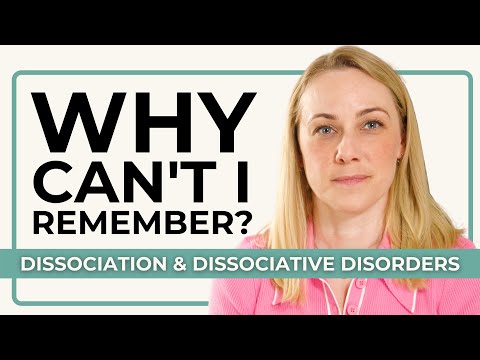
So, have you ever had one of those days where you just totally zone out? Like, you drive home but don’t even remember the ride? Pretty weird, huh? Well, that’s kind of what dissociative amnesia can feel like.
Imagine not being able to recall important personal info. It can be super disorienting and scary. And then there’s this thing called fugue, where people actually pack up and leave, starting fresh somewhere new—like a mini road trip without a destination, I guess.
It sounds like something out of a movie. But in reality, it’s way more common than we think. Let’s chat about what these things really mean and how they can shake up someone’s life. You ready?
Exploring the Best Therapies for Dissociative Amnesia: A Comprehensive Guide
Well, let’s talk about dissociative amnesia, alright? It’s one of those things that can really mess with your head. This condition makes you forget important personal information, usually related to stress or trauma. You might totally blank out on a significant event or even parts of your own life. Not cool, right?
Now, when it comes to therapy for dissociative amnesia, there’s no one-size-fits-all approach. Every person’s experience is unique. But there are several effective therapies that can help you navigate through this tricky situation.
Cognitive Behavioral Therapy (CBT) is often the go-to option. It helps you understand and change negative thought patterns and behaviors. You’ll learn coping strategies to deal with distressing experiences. Imagine sitting in a cozy room, working with a therapist who gently guides you through your thoughts and feelings about the trauma—pretty powerful stuff.
Then there’s Eye Movement Desensitization and Reprocessing (EMDR). This one sounds fancy but don’t worry—it’s all about processing memories. The idea is to reduce the emotional charge of traumatic memories by using guided eye movements while you recall them. Picture it like hitting «refresh» on your brain when it gets stuck on bad memories.
Also worth mentioning is psychodynamic therapy. This focuses on understanding underlying emotions and conflicts that might be causing your dissociative symptoms. You might spend time exploring childhood experiences and past traumas with a therapist who helps make sense of those feelings.
And remember the importance of support groups. Sometimes just chatting with others who get what you’re going through can be incredibly healing. Sharing stories and coping strategies can help you feel less alone in this battle.
Now, let’s not forget about the role of medication! While there isn’t a specific drug just for dissociative amnesia, some people find relief using antidepressants or anti-anxiety meds to help manage symptoms like anxiety or depression that may come with it.
So here’s a quick wrap-up:
- Cognitive Behavioral Therapy (CBT): Changes negative thought patterns.
- Eye Movement Desensitization and Reprocessing (EMDR): Processes traumatic memories.
- Psychodynamic Therapy: Explores past emotions and conflicts.
- Support Groups: Connects you with others having similar experiences.
Getting through dissociative amnesia isn’t always easy—but finding the right therapy can make a significant difference in managing it effectively. Just remember: healing takes time, but you’re not alone in this journey!
Exploring Dissociative Amnesia: Fascinating Facts You Need to Know
Dissociative amnesia is a curious condition. It’s not just forgetting where you left your keys. Nope, it’s way deeper than that. It’s like your mind has a built-in defense mechanism that protects you from memories or information that are too painful or stressful to handle. Crazy, right?
What exactly is dissociative amnesia? Basically, it’s when someone experiences memory loss that’s not due to a medical condition or substance. Instead, it stems from trauma, severe stress, or an emotional crisis. You might forget specific events, personal information, or even your entire identity for a time. The tricky part? Most people don’t even realize they’re doing it.
So what causes this? Well, think about it this way: if you’ve ever gone through something really tough—a bad breakup or the loss of someone close—your brain might just “switch off” certain memories to protect you. It’s like hitting pause on a movie that’s too intense to watch.
Now let’s get into some of those fascinating facts you might want to know:
- Types of Memory Loss: There are different types of dissociative amnesia. Some folks may only forget specific details about traumatic events , while others may not remember whole chunks of their lives.
- Duration: The duration can vary greatly; some people snap out of it after days or weeks while others might find themselves in this state for years.
- Dissociative Fugue: This is a specific type of dissociative amnesia where someone suddenly travels away from home and can’t remember how they got there—or even who they are! Imagine waking up in a new city with no clue about yourself.
- Symptoms: Besides memory loss, individuals might feel disconnected from their thoughts and emotions during an episode.
- Treatment Options: Therapy is usually the go-to route for addressing these issues. A therapist can help you unravel those hidden memories and work through the trauma.
You know how sometimes life feels overwhelming? That feeling can trigger this kind of amnesia as your brain tries to cope with all the chaos around you.
I met someone once who experienced dissociative amnesia after losing a family member unexpectedly—she couldn’t recall anything about the incident at all for years! It was only through therapy and support that she began piecing her memories back together and allowing herself to feel those emotions again.
It’s important to understand that while dissociative amnesia can be tough, it isn’t uncommon among folks who’ve faced trauma. The brain often knows how to protect itself in mysterious ways.
So remember, if you find yourself struggling with forgotten bits of your personal history—or if someone shares their experience—it could be an instance connected with dissociative amnesia. What matters most is understanding and getting the support needed during these challenging times!
Understanding Dissociation: Its Impact on Mental Health and Well-Being
Dissociation is, you know, a way our minds handle stress or trauma. When things get too overwhelming, it’s like your brain hits the pause button. This can show up in various forms, from feeling disconnected from reality to not remembering certain events. It’s almost like your mind has a built-in escape hatch.
Dissociative Amnesia is one of those forms. Imagine going through something really tough—like a car accident or a traumatic breakup. Your mind might choose to blank out those memories to protect you from reliving the pain. It’s not just forgetting where you left your keys; it’s losing parts of yourself and your past for a while. The cool thing (if we can call it that) about dissociative amnesia is that often, those memories can come back unexpectedly.
Then there’s Dissociative Fugue. This one sounds more extreme but is still closely related. Picture someone waking up in a different city, not knowing how they got there or who they are. They might take on a new identity and completely forget their old life—family, friends, everything! It’s like hopping onto another train without checking the destination first.
The impact of these experiences on mental health can be pretty significant. People dealing with dissociation often struggle with feelings of anxiety and depression afterward. The thing is, they might not even realize their dissociation is connected to their current struggles until they dig deeper in therapy.
Dissociation can affect your relationships, too. If you’re zoning out during conversations or unable to connect emotionally with others because you’re stuck in your own head, it can create distances between you and loved ones. It’s super hard for friends or family members to understand when someone just seems “off” without realizing what you’re actually going through.
There are ways to address dissociation in therapy settings; some folks find cognitive-behavioral therapy (CBT) helpful while others lean towards more specialized approaches like EMDR (Eye Movement Desensitization and Reprocessing). These therapies focus on processing traumatic memories safely and finding healthier coping strategies.
Recognizing dissociation as part of your experience isn’t easy—it takes time and understanding yourself better, right? So if you find yourself feeling detached or having memory gaps after stressful events, it might be worth chatting with a mental health professional about what’s going on inside.
In summary:
- Dissociation helps deal with trauma.
- Dissociative Amnesia involves losing memories related to trauma.
- Dissociative Fugue includes forgetting personal details and adopting a new identity.
- Dissociation impacts relationships and overall mental wellness.
- Therapeutic approaches like CBT and EMDR may help in processing these experiences.
Remember, if you see signs of this in yourself or someone else, don’t hesitate to reach out for support; you’re not alone in this journey!
You know, dissociative amnesia and fugue can sound a little daunting. But let’s break it down like friends chatting over coffee. Imagine you’re doing your thing—living life, going to work, hanging with friends—and suddenly, bam! You can’t remember important stuff about yourself. It’s like your memories just hit the road.
Dissociative amnesia is this tricky little condition where people lose memories, often around traumatic events or intense stress. Sometimes it’s selective—like you might forget a specific incident—or sometimes it’s more of a wide net where chunks of your life just vanish from your mind. Now, that can be super unsettling for anyone, right?
Then you bring in dissociative fugue, which is kind of like the wild cousin of dissociative amnesia. Picture this: someone not only forgets who they are but also decides to take an unplanned trip somewhere new—totally leaving their old life behind for a bit. It’s almost like they’ve pressed pause on their identity and are trying on a new one in another city or state.
I read about this guy named Mark (not his real name). He woke up one day in a park miles away from home with no clue how he got there or who he was. He had this overwhelming sense of confusion and panic. Luckily, people were kind—even got him some help with the police—and eventually he was reunited with his family after figuring out what was going on. Can you imagine the fear and loneliness in that moment? It really tugs at the heartstrings.
The thing is, these conditions often stem from extreme stress or trauma; they’re usually not just random memory lapses. Therapy can really help here—providing support and guidance to slowly piece things back together without forcing anyone too fast into memories they’re not ready to face yet.
But there’s still so much we don’t fully understand about why these episodes happen or why some people experience them while others don’t. And isn’t that what makes mental health such an intriguing topic? Everyone’s journey is unique; how we cope with pain and memories varies widely across individuals.
You see? Dissociative amnesia and fugue aren’t just clinical terms—they represent real emotional turmoil for many folks out there dealing with their history in ways we might not always comprehend at first glance. So when you think about mental health as a whole, it becomes clear that understanding these experiences is key in helping ourselves and those around us navigate through tough times together.