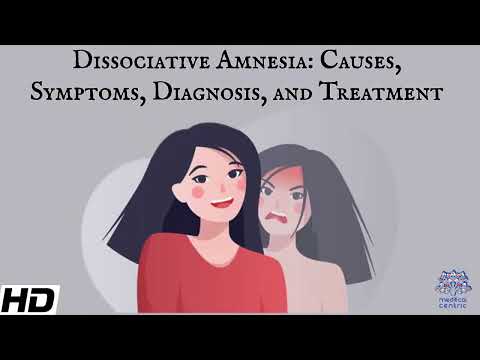
You know, memory is a funny thing. One minute you’re soaking up every detail, and the next? Poof! It’s like your brain just decided to hit the delete button.
That’s what happens with dissociative amnesia. People can forget chunks of their past, sometimes even their identity. Crazy, right?
And then there’s dissociative fugue. Imagine waking up somewhere new, not having a clue how you got there or who you are. That’s some intense stuff!
So, in therapy, what do we even do with all that? How do we help someone piece their life back together? Let’s chat about it!
Reclaiming Your Past: Effective Strategies for Recovering Memories from Dissociative Amnesia
Dissociative amnesia can be a tricky thing to navigate. You might feel like your memories have just vanished into thin air, leaving you disoriented and confused. The good news is that there are effective ways to help you reclaim those lost memories.
Understanding Dissociative Amnesia is key. It’s a defense mechanism that kicks in during extreme stress or trauma. Your mind basically shuts down, and it protects you by blocking out painful memories. So, what can you do about it?
1. Start with a Safe Space. It’s super important to find an environment where you feel secure. Whether it’s a cozy corner at home or a quiet coffee shop, being comfortable can help ease the anxiety that comes from digging into painful memories.
2. Talk Therapy can be incredibly helpful. A therapist trained in trauma-focused approaches can guide you through this process. You’ll talk through your experiences, feelings, and thoughts in a supportive environment. They might use techniques like **cognitive-behavioral therapy (CBT)** or **eye movement desensitization and reprocessing (EMDR)**—both aim to gently explore those hidden memories without overwhelming you.
I remember chatting with someone who struggled with this kind of memory loss after a traumatic incident. They shared how just talking about their feelings—even if the memories didn’t come back right away—helped them feel validated and less alone.
3. Journaling is another great tool. Write down whatever comes to mind—dreams, fleeting thoughts, feelings of confusion, or even daily events that seem significant. This practice can sometimes trigger buried memories or at least help make sense of your emotional landscape.
4. Mindfulness and Grounding Techniques might seem simple but can be quite effective in focusing on the here and now rather than getting lost in past traumas. Deep breathing exercises or simply paying attention to your surroundings can anchor you when memories start bubbling up.
5. Art Therapy. Using creative outlets like painting, drawing, or music allows for self-expression without words—perfect if talking feels too daunting at first! Sometimes visuals can prompt old feelings or scenes from the past that help piece together lost moments.
And don’t forget about support groups. Connecting with others who’ve walked similar paths provides both comfort and insight on recovery journeys as well as shared experiences about memory reclamation.
It’s totally okay for this process to take time—everyone’s journey looks different! There’s no rush; listen to yourself and go at your own pace as you integrate these strategies into your life!
In summary, reclaiming what feels lost isn’t easy but it’s definitely doable with compassion for yourself and the right tools at hand for support along the way.
Understanding Dissociative Amnesia: Effective Treatments and Recovery Strategies
Dissociative amnesia is one of those conditions that can really throw you for a loop. Imagine waking up one day and not remembering where you are, who you are, or what’s happened to you. That’s basically what it feels like. It’s a defense mechanism your brain uses when you’re faced with overwhelming stress or trauma. Your mind just decides to tuck those painful memories away as if they never happened.
So what does this look like in real life? People might forget specific events, personal information, or even their entire identity—now that’s scary! And here’s the kicker: sometimes, people may even wander off and end up in a different place without knowing how they got there; that’s called **dissociative fugue**. It’s like your brain has hit the reset button.
Now let’s talk about treatment options because recovery is totally possible. Therapy is generally the big player here. **Cognitive-behavioral therapy (CBT)** helps you understand and change negative thought patterns from traumatic experiences. You can learn ways to manage your anxiety better too because dealing with memory loss isn’t easy—it can be downright frustrating.
Another useful approach is **Eye Movement Desensitization and Reprocessing (EMDR)**. This technique helps you process traumatic memories by guiding your eyes through specific movements while recalling distressing events. Picture it like rewinding a movie to edit out parts that hurt so much you want to scream.
You might also benefit from **support groups** where you can connect with others who’ve had similar experiences. It’s comforting to know you’re not alone in this journey, right? Sharing stories creates an amazing sense of community and validation—people get it.
But recovery isn’t just about therapy. There are some practical strategies that can help too:
- **Journaling**: Writing down thoughts or feelings can clarify what’s going on in your head.
- **Mindfulness practices**, like meditation or yoga, help center yourself and reduce anxiety.
- Building a strong support network—friends and family who understand what you’re dealing with makes all the difference.
The thing is, recovering from dissociative amnesia takes time; there’s no quick fix here. You might find yourself wondering if those memories will ever come back or if they’re lost forever. But progress often comes in ways you’d least expect—like having an unexpected memory pop back into your mind during a regular day.
Remember that healing looks different for everyone; some days will be tough while other days feel light as a feather. Just hang in there! You’re taking steps toward understanding yourself better every single day—even if it doesn’t always feel like it! So treat yourself gently as you navigate through this complex mental landscape.
Exploring the Possibility: Can Trauma-Induced Memory Loss Be Reversed?
Can Trauma-Induced Memory Loss Be Reversed? That’s a tough question, and the answer isn’t black-and-white. When we talk about trauma-induced memory loss, we’re often referring to conditions like dissociative amnesia and dissociative fugue. These are serious experiences that can leave someone feeling lost or disconnected from their memories.
So, what happens in these situations? Imagine you’ve just faced something really horrible—like an accident or a traumatic event. Your brain might decide to tuck those painful memories away, almost like pressing pause on a sad movie. You might not remember what happened at all, or maybe you’ll only recall bits and pieces. It’s like your mind is trying to protect you from the pain it can’t handle right then.
Now, here’s the kicker: this memory loss can feel downright strange. Picture it: you’re sitting there having lunch with friends when suddenly you blank on a chunk of your life. That disconnection can make everything feel surreal, leading some folks into dissociative fugue—they actually travel away from home and forget who they are for a period of time! It’s not just forgetting; it’s losing part of yourself.
But can therapy help reverse this memory loss? Well, yes and no. Therapy is key, but it doesn’t guarantee that all lost memories will come rushing back like an old movie reel. What therapists often aim for is helping you process the trauma in a safe space so your mind doesn’t have to bury those feelings so deep anymore.
In therapy, you might explore techniques such as:
- Talk therapy: Talking about your experiences in a supportive environment can help you reconnect with yourself.
- EMDR (Eye Movement Desensitization and Reprocessing): This approach uses guided eye movements to help process traumatic memories.
- Cognitive Behavioral Therapy: This addresses negative thoughts linked to the trauma, sometimes helping bring up memories you thought were lost.
- Mindfulness: Practicing mindfulness can ground you in the present moment and reduce anxiety linked to past traumas.
You see, recovery isn’t just about retrieving memories; it’s also about healing from the pain associated with them. So while some people do recover some of their lost memories with proper treatment, others may find that they can cope without those details if they learn to manage their emotions around them.
I once chatted with someone who experienced dissociative amnesia after a really tough event—let’s call her Sarah. During her therapy sessions, she shared stories in fragments first, but slowly began making connections between present feelings and past events. It was hard work! But through that journey of self-discovery, she found healing even without recovering every single memory.
It’s important to remember that everyone’s experience is different—what works for one person might not be effective for another. The brain is complex, and understanding how it reacts to trauma takes patience and compassion—for both yourself and your therapist.
In sum, while trauma-induced memory loss can sometimes be reversed through therapy, it’s more about healing than just retrieving forgotten moments. Your journey will unfold uniquely as you learn how to navigate these challenges!
Imagine waking up one day, sitting on a park bench, with no clue how you got there or who you are. That’s the essence of dissociative fugue—a condition where people not only forget their past but may even create a new identity somewhere else. It’s like your mind hits a reset button and just wipes the slate clean. Crazy, huh?
Now let’s talk about dissociative amnesia, which is kinda similar but more about forgetting specific memories instead of starting fresh in a new place. You might lose chunks of your memory, often tied to trauma or stress, leaving you confused and scared. The thing is, memory isn’t just about facts and dates; it’s deeply connected to who we are. Losing it can feel like losing part of your soul.
In therapy, navigating these waters can be really tricky. Imagine sitting with a therapist who’s trying to help you dig into those lost memories while you’re totally blanking out. It’s frustrating—like trying to find a puzzle piece that just doesn’t fit anywhere anymore. Your therapist becomes your guide through this foggy maze.
I remember talking with someone in therapy who had experienced both dissociative amnesia and fugue. They shared how disorienting it felt to wake up in unfamiliar places without any clue about their life story—it was terrifying! But through therapy, they slowly started piecing things together. They learned techniques to help ground themselves when those feelings of confusion hit.
Therapists often rely on strategies like mindfulness and grounding exercises to help bring someone back into the present moment when memory feels shaky or distant. Imagine being taught how to focus on your breath or maybe some sensory experiences—like feeling the texture of something in your hands—to reconnect with what’s real right now.
Also, it’s important for therapists to create a safe space for their clients since recalling traumatic memories can be overwhelming. The goal is not just about remembering everything but understanding yourself better through this process.
So yeah, while dissociative amnesia and fugue can sound super scary—kinda like living in an episode of “The Twilight Zone”—there’s hope in therapy. With patience and support, it’s possible to navigate that tricky path back towards a sense of self again. It’s all about finding those little breadcrumbs that lead you home.