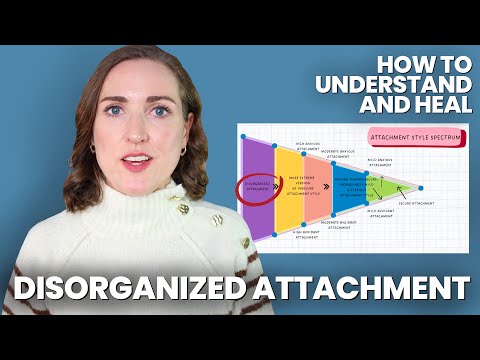
You know that feeling when you just wanna hide from the world?
Yeah, it’s like you’re there but not really present.
That’s kinda what we mean by dissociative avoidant attachment. It can get pretty heavy.
Picture someone who feels super disconnected in relationships, even if they want to connect.
It’s confusing, right? You might catch yourself thinking, “Why do I feel this way?”
Honestly, you’re not alone in this. A lot of folks grapple with it but don’t always know how to talk about it.
So let’s chat about what this looks like and how to make sense of it all!
Essential Strategies for Healing Avoidant Attachment Styles
Avoidant attachment style can feel like a heavy backpack full of bricks, you know? It’s that persistent fear of getting close to others, which often leads to keeping people at arm’s length. So, if you find yourself navigating those choppy waters of avoidant attachment, let’s explore some essential strategies to help you heal.
1. Awareness and Acknowledgment
First off, it’s crucial to recognize your patterns. Maybe you find it hard to open up or tend to dismiss your partner’s needs. Just being aware of these tendencies is a big step. Imagine if someone pointed out a habit you didn’t even know you had—it’s eye-opening!
2. Challenge Negative Thoughts
Look, your brain might say things like “People will hurt me” or “I don’t need anyone.” But that’s not really the whole story. You can start challenging those thoughts. Ask yourself: Is this thought realistic? What evidence do I have? You might be surprised at how many times you’re exaggerating.
3. Gradual Exposure to Vulnerability
Opening up doesn’t have to happen all at once—seriously! Try sharing something small about yourself first, and see how it feels. Maybe it’s telling a friend about a bad day or expressing a need in your relationships. Over time, these little steps build trust and comfort.
4. Develop Emotional Regulation Skills
Being able to handle your emotions is key here. When overwhelming feelings pop up, try grounding techniques like deep breathing or visualization exercises. Picture something calming—a beach, maybe? This helps instead of shutting down or disconnecting.
5. Seek Professional Support
Sometimes it’s just too much to tackle on your own! Consider talking with a therapist who understands attachment styles—someone who can guide you through the tricky stuff and give you tools tailored for your needs.
6. Build Healthy Relationships
Surrounding yourself with supportive people makes all the difference! Look for relationships where both parties respect each other’s space and boundaries but also encourage closeness—think mutual support without pressure.
7. Practice Self-Compassion
You’ve got to be kind to yourself throughout this journey! Understand that healing from an avoidant attachment style takes time—like planting seeds in a garden and waiting for them to bloom.
Healing from avoidant attachment isn’t about changing who you are; it’s about learning new ways of relating while still being true to yourself. Embrace the process—it might get bumpy at times—but every little step counts toward growth and connection!
Understanding the Triggers of Avoidant Behavior: Insights into Emotional Responses
Understanding avoidant behavior can be like peeling back layers of an onion—there’s a lot going on under the surface. Basically, when we talk about avoidant behavior in relation to mental health, especially concerning dissociative avoidant attachment, we’re looking at how some folks deal with their feelings by pulling away from others. You know, instead of diving into emotional connections, they might sidestep them entirely.
So what are these triggers? Well, they can vary widely from person to person, but there are some common ones that pop up a lot:
- Fear of Rejection: Imagine being terrified of opening up to someone and then getting shut down. That fear can make you pull back and avoid intimacy altogether.
- Past Trauma: If someone’s been hurt before—like heartbreak or even more severe trauma—they’re likely to build walls around their heart. It’s a way of protecting themselves.
- Overwhelming Emotions: Sometimes feelings can just feel too big or intense. If you don’t know how to handle those emotions, it’s easier to just zone out or avoid them.
- Lack of Trust: If trusting people has been a challenge in life, you might find yourself keeping others at arm’s length. This makes it tough to build deep bonds.
Let me share something real quick. I once knew a friend who had issues with abandonment as a kid. Every time they got close to someone new, panic would set in—like the world was about to end! They’d just pull away, convinced they were better off alone than risking pain again.
Now let’s look at the emotional responses tied up in this whole dance:
- Dissociation: When things get super stressful or scary emotionally, some people check out mentally; it’s like their brain hits pause.
- Anxiety Symptoms: Heart racing? Sweaty palms? These physical signs often come knocking when avoidant folks face situations that require connection or vulnerability.
- Negative Self-Talk: You’ll find phrases like “I’m not good enough” swirling around in their heads. This kind of thinking pushes them further into avoidance.
The thing is, understanding these triggers doesn’t mean you’ll magically change overnight. It takes time and sometimes even professional help to navigate through these waters safely.
But breaking free from the chains of avoidance is possible! It usually starts with recognizing these patterns and being gentle with yourself during the process. Just remember: it’s all about taking small steps toward understanding those weird emotions without judgment.
So if you’re finding yourself caught up in this cycle of avoiding connections or feeling emotionally distant from others—you’re not alone! A lot of people struggle with this stuff because it taps right into core fears and past experiences. And while it might feel overwhelming now, the path toward healing is absolutely within reach!
Understanding Avoidant Attachment: Do Avoidants Really Feel Suffocated in Relationships?
So, let’s talk about this whole avoidant attachment thing. It’s one of those concepts that can really mess with how people connect in relationships. Basically, attachment styles develop in childhood, and they shape how you treat others and how you expect to be treated. If you’ve got avoidant attachment, it means you might find closeness a bit tricky.
People with avoidant attachment often feel like they need a ton of space. Like, imagine feeling the urge to run for the hills when someone gets too close emotionally. This isn’t because they don’t care; it’s more about feeling suffocated or overwhelmed by intimacy. So, do avoidants really feel suffocated in relationships? Absolutely.
Here are a few key points:
A friend of mine dated someone with an avoidant attachment style once. At first, everything seemed perfect—lots of fun and laughter! But then, as things got more serious, he started backing away. She felt frustrated because she just wanted to connect more deeply. To him, though? That closeness felt overwhelming—he’d rather dodge those feelings than face them.
Now here’s the kicker: while it might look like an avoidant person doesn’t care or is being cold-hearted, that’s not really it at all! It’s just that emotional closeness feels risky and scary for them.
So what can help?
Awareness is key! Understanding where this behavior comes from might make it easier for both partners to navigate these choppy waters.
If you’re dealing with someone who has an avoidant attachment style—or you’re recognizing some of these traits in yourself—it’s vital to approach relationships gently and with empathy. It’s alright to want connection; just remember that everyone has different comfort levels when it comes to intimacy.
So yeah, understanding these dynamics around avoidant attachment gives us better insight into our relationships and why we respond the way we do. It’s definitely not easy but hey, isn’t real love worth figuring out together?
You know, attachment styles can be kind of a maze. I mean, they shape how we connect, love, and sometimes even push people away. There’s this thing called dissociative avoidant attachment that really hits home for a lot of folks. Imagine standing in the middle of a crowded room, wanting to reach out but feeling like there’s this invisible wall between you and everyone else. Yeah, it can feel pretty isolating.
So let’s break it down a bit. Dissociative avoidant attachment usually stems from early experiences where emotional support was unpredictable or nonexistent. It’s like your inner child learned to protect itself by putting up walls. You might find yourself distancing from others when relationships get too close or intense. I remember chatting with a friend who told me about this moment in therapy where they realized they kept pulling away right when things got deep with their partner. It was like an “ah-ha!” moment but also terrifying because it meant facing those fears head-on.
The thing is, navigating this kind of attachment isn’t easy at all. You might feel trapped between wanting connection and fearing vulnerability, which is totally normal! This battle can lead to feelings of anxiety or even depression because it’s hard to sustain relationships when you’re always holding back. And let’s be real—sometimes you just wanna be heard or loved without feeling like you gotta put on some mental armor first.
Finding ways to work through these patterns is crucial. Therapy can be a game changer here; talking things out with someone who gets it can shed so much light on why you react the way you do. Plus, it helps build trust—not just in your therapist but eventually in yourself too! Small steps matter—like practicing being open with someone safe or even expressing your needs directly instead of hoping people will just get it.
As tough as the journey may seem, know that change is possible. You’re not defined by your past experiences; you have the power to rewrite your story! And while it takes time and courage to face those shadows lurking about your attachment style, there’s hope on the other side—real connections waiting for you if you let down those walls just a little bit at a time.