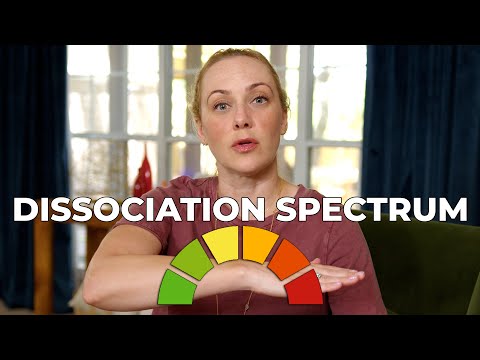
Imagine sitting in a cozy therapist’s office. You’re chatting about your week, but suddenly things shift. It’s like a scene from a movie where reality blurs. You start seeing things that aren’t really there.
Dissociative hallucinations can feel super weird, right? They mess with your sense of what’s real. And for some folks, they pop up in therapy sessions, sometimes leaving both the client and therapist a bit stunned.
It’s wild how our minds work—how they can protect us or lead us down strange paths. In this piece, we’re gonna explore some real-life stories about dissociative hallucinations. Trust me; it’s gonna be eye-opening!
Exploring the Benefits of EMDR Therapy for Managing Dissociation
So, let’s chat about EMDR therapy and how it can be helpful for managing dissociation. You might have heard of EMDR before—it stands for Eye Movement Desensitization and Reprocessing. It’s like a way to help your brain process memories, especially those that are pretty tricky or traumatic.
Dissociation is all about disconnecting from your thoughts, feelings, or sense of self. It can feel like your mind is wandering off somewhere else while you’re stuck in a situation that’s just too much to handle. Well, that’s where EMDR comes into play.
Here’s how it works: In a typical EMDR session, your therapist guides you through recalling a distressing memory while you follow their hand movements with your eyes. This sounds wild but basically what happens is this process helps you reprocess traumatic memories so they lose their power over you.
Now let’s talk benefits specifically related to dissociation:
- Improves Grounding: EMDR helps bring you back to the present moment, making it easier to connect with what’s going on right now.
- Reduces Symptoms: Many people notice fewer symptoms of dissociation after sessions—less feeling like you’re floating away or disconnected.
- Creates Safety: The therapy creates a safe space where clients can explore difficult feelings without judgment.
- Enhances Emotional Regulation: You learn tools through EMDR that help manage overwhelming emotions better, which can keep those dissociative episodes at bay.
Let me tell you about someone—call her Sarah. She struggled with severe dissociative episodes after experiencing trauma in her childhood. Sarah often felt like she wasn’t really there during conversations; it was as if she was watching herself from outside her body. After starting EMDR therapy, she noticed something interesting: over time, those out-of-body experiences began to fade as she processed her past in a safer way.
But it isn’t all rainbows and sunshine. The journey can be challenging. Sometimes, people might initially feel more intense emotions as they start working through these memories. That’s normal! It means the brain is doing its thing—trying to work through what needs attention.
So yeah, if you or someone you know is dealing with dissociative experiences and looking for ways to cope, maybe consider talking with a therapist about EMDR therapy. It could be one of those things that makes all the difference in reconnecting with oneself and managing those tricky feelings of detachment effectively!
Understanding Dissociation: Real Life Examples and Insights
Dissociation is one of those terms that sounds a bit technical, but at its core, it’s about feeling disconnected from your thoughts, feelings, or sense of self. You might have moments when things feel surreal or like you’re watching yourself from outside your body. Crazy, right? It’s actually more common than you might think, especially in people who’ve experienced trauma.
So, what are dissociative hallucinations? They can be described as experiences where someone perceives something that isn’t actually there. This can range from seeing things that don’t exist to having sensations that feel very real but aren’t connected to reality.
Let’s break it down with some examples. Imagine you’re in therapy and the therapist asks about a memory that’s really tough for you. Suddenly, your mind drifts off. You might start to feel like you’re floating above your body, watching the situation unfold without actually being part of it. That’s one way dissociation can kick in.
Another example could be someone who has had trauma related to a car accident. They might be sitting in their therapist’s office discussing it and suddenly see visions of the accident happening all over again—like playing a movie in their mind—but they aren’t really there; they’re just observing it as if it’s not them experiencing the pain or fear.
Real-life scenarios often illustrate these points beautifully:
- A young woman recalls her childhood abuse in therapy and suddenly feels disoriented; she hears loud noises and sees frightening figures from the past—hallucinations triggered by her memories.
- A soldier may discuss their combat experiences and suddenly feel as if they’re back on the battlefield—hearing gunfire and seeing explosions when they’re only in a quiet room.
In therapy settings, understanding these dissociative experiences is crucial. It helps therapists create safe spaces where clients can explore these feelings without judgment. Responding compassionately means acknowledging what they’re experiencing without pushing them too hard or fast.
Feeling disconnected doesn’t mean someone is «crazy» or can’t handle their emotions; it’s often a survival mechanism developed to cope with overwhelming situations. These responses come out when our brains decide it’s better to zone out rather than face something excruciatingly painful directly.
Navigating through dissociation can be tough but is totally doable with help! Therapists often use grounding techniques—like deep breathing exercises or physical touch—to help clients reconnect with reality when they start feeling lost in those moments.
So basically, understanding dissociation gives us insight into how our minds protect us during traumatic experiences while also reminding us why talking about mental health matters so much! It’s essential for healing and personal growth.
Comprehensive Case Study PDF on Dissociative Identity Disorder: Insights and Analysis
Dissociative Identity Disorder, or DID for short, can be a pretty complex topic. Imagine if your mind had different characters living in it. Each one with their own emotions, memories, and perspectives. That’s kind of what happens with DID. People with this condition have two or more distinct identities or personality states that control their behavior at different times. You might know it as multiple personality disorder—yep, that’s the same thing.
In therapy, you might hear about something called dissociative hallucinations. These are experiences where someone feels like they’re seeing, hearing, or feeling things that aren’t really there. It’s like when you hear a song on the radio and suddenly remember an old friend—or in this case, the mind creates entire scenarios because it’s trying to cope with trauma.
Real-life examples can really shed light on how this all plays out in therapy settings:
- One patient might describe feeling like they’re watching themselves from outside their body during a stressful conversation.
- Another might suddenly switch to a different identity when discussing childhood trauma and even speak in a different voice.
- Some folks report seeing visions of past events as if they were happening right then and there, which can be super disorienting.
There was this guy named Ben who went through therapy for his DID. One day during a session focused on his childhood, he suddenly switched to another identity—a little boy named Tommy—who felt scared and alone. This led Ben to experience what Tommy felt back then rather than just talking about it. The therapist helped him navigate through this by gently guiding Ben back while acknowledging Tommy’s feelings.
Now here’s where it gets fascinating: IS the therapy effective? Many experts believe that the key to treating DID lies in integrating these different identities into one cohesive sense of self. It’s not always easy since each identity often has its own trauma to deal with.
Therapists usually use various approaches such as:
- Talk therapy to encourage communication between identities.
- Cognitive Behavioral Therapy (CBT) which helps change negative thinking patterns.
- Creative techniques like art or journaling to express feelings without words.
Basically, these methods help people understand their experiences better and work towards healing.
It’s important for therapists working with DID patients to be sensitive and patient since every person’s journey is unique. They need to build trust so the individual feels safe enough to explore all those complicated emotions without fear of judgment.
So yeah, Dissociative Identity Disorder is incredibly complex but understanding how these dissociative hallucinations play out in therapy can offer valuable insights into treatment approaches and recovery paths for those who experience it.
Dissociative hallucinations can be a tough topic to tackle, you know? So many people go through life with these experiences that can feel totally isolating. When you think of hallucinations, you might picture someone seeing things that aren’t there or hearing voices telling them what to do. But for some, it’s more about feeling disconnected from themselves or their surroundings. Kind of like you’re in a dream but still wide awake.
I remember talking to a friend who had a rough childhood. She described moments where she felt like she was floating above her body during stressful times, watching herself as if she were in a movie. It was strange and surreal for her—almost protective, but also lonely because she couldn’t connect with reality like everyone else. These dissociative experiences could happen when she’d be overwhelmed by anxiety or flashbacks from the trauma she had faced.
In therapy, sharing these kinds of moments can be incredibly impactful. It’s one thing to talk about feelings and symptoms, but when someone opens up about their personal experiences, it can shift the whole atmosphere in the room. Therapists often help clients ground themselves again. They might use simple techniques like breathing exercises or encourage them to focus on what they can see and hear in that moment—anything to bring them back to reality.
And then there are those instances where people might hear voices that reflect their inner critic or past traumas. I once read about a guy who would argue with these voices during sessions; it was intense! But through therapy, he started seeing those voices as parts of himself that were struggling for attention rather than just “crazy” things happening inside his head.
Everyone’s story is different, but what’s common is the relief that comes from sharing these experiences in a safe space. It’s empowering; people often realize they’re not alone and there are ways to cope with what feels like chaos inside their minds. Therapy becomes this shared journey where one learns how to navigate the uncharted waters of their own experience, slowly finding anchors along the way.
So yeah, real-life examples of dissociative hallucinations bring so much richness to understanding mental health issues—reminding us that healing isn’t just about eliminating symptoms; it’s also about connection and validating those unique stories we all carry around with us.