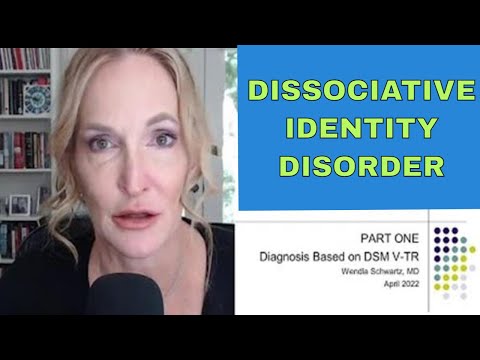
You know those movies where someone has multiple personalities? It’s like they switch between them, and you just can’t keep up. Well, that’s a pretty simplified version of Dissociative Identity Disorder (DID).
This isn’t just Hollywood magic, though. It’s a real thing that people experience in their lives. The DSM-5, which is basically the big book of mental disorders used by professionals, has a specific way of talking about DID.
And it’s not just about having different names or voices; it’s deeper than that. Imagine feeling like different parts of you are battling for control. Scary stuff!
Understanding this disorder helps shine a light on some really complex human experiences. So, let’s chat about what the DSM-5 says and why it matters.
Understanding Dissociative Identity Disorder: Key DSM-5 Criteria Explained
Dissociative Identity Disorder (DID), like, can be super confusing. It’s one of those mental health conditions that often gets misunderstood. Basically, it’s when someone has two or more distinct personality states, or “alters.” These alters can have their own names, ages, histories, and even different ways of handling the world around them.
So let’s break down the key criteria from the DSM-5, which is the handbook that mental health professionals use to diagnose disorders. Here’s what you need to know:
1. Presence of Two or More Distinct Personality States
This is the main feature of DID. Picture a person experiencing shifts in their sense of self. One moment they might feel like a child named “Sam,” and the next they could feel like an adult called “Laura.” These states can be really different from each other, almost like there are multiple people living inside one body.
2. Recurrent Gaps in Memory
People with DID often face memory gaps that aren’t explained by ordinary forgetfulness. For instance, you could be talking to someone who suddenly has no recollection of what happened yesterday or even last week. It’s like they have blackouts where time just disappears for them.
3. Distress or Impairment
The experiences tied to DID usually cause serious distress or problems functioning in daily life—like work or relationships—it’s not just something quirky about them; it really messes with their quality of life.
4. Not Attributable to Substance Use
Sometimes people might think dissociation is just due to drinking too much or using drugs. But for a diagnosis of DID, these symptoms shouldn’t be connected to substance abuse or medical conditions; it has to stand alone.
5. Not Better Explained by Another Mental Disorder
There are other disorders out there with similar symptoms—like PTSD (Post-Traumatic Stress Disorder) might involve some dissociation too—but for DID specifically, these symptoms have to be distinct enough not to fit under another diagnosis.
It’s important to remember that DID often develops as a way for someone to cope with traumatic experiences—especially during childhood when things can get pretty rough at home or in relationships.
For example, let’s say “Jordan” was neglected as a kid and started finding ways to escape those feelings when things got tough. Their mind could create different identities that handle emotions differently—maybe one alter is bold and outgoing while another is quiet and shy.
So yeah, understanding Dissociative Identity Disorder requires acknowledging this complex interplay between identity and trauma response—a real challenge but so crucial for helping someone heal!
Understanding the Shift: Why Dissociative Identity Disorder Replaced Multiple Personality Disorder
Dissociative Identity Disorder (DID) used to be known as Multiple Personality Disorder. The name change happened for a good reason, so let’s break it down.
First off, the change reflects advances in understanding the condition. When DID was first recognized, it was assumed that people had multiple distinct personalities. But as research progressed, clinicians realized it’s more about different states of consciousness rather than fully formed personalities. Those “alters” you hear about? They can show different thoughts and behaviors, but they’re part of one individual.
Another reason for the shift is the stigma and misunderstanding surrounding the term “multiple personalities.” It kind of sensationalizes what people with DID experience. It sounds like a movie plot instead of a real mental health issue. That can lead to misconceptions and trivialization of a serious condition.
Now, let’s look at the DSM-5 Framework. The Diagnostic and Statistical Manual of Mental Disorders is key in how professionals diagnose conditions. In the DSM-5, DID is characterized by two or more distinct identities or personality states that control an individual’s behavior at different times. This framework emphasizes the dissociation aspect—like feeling disconnected from yourself or having gaps in memory—which is crucial for understanding how DID affects someone’s life.
It’s also vital to mention that many individuals with DID have faced severe trauma, often in childhood. This sort of protective mechanism kicks in—dissociation helps them cope. By changing the name to Dissociative Identity Disorder, it’s easier for therapists and patients to talk about these experiences without all that extra baggage.
But here’s where things get really interesting: treatment approaches have evolved too. Therapists now focus on integration—helping those diverse identities work together rather than just trying to eliminate them. It’s about healing from past trauma and finding ways to manage those different parts harmoniously.
So yeah, this shift wasn’t just semantics; it represents a deeper understanding—and compassion—for what living with DID really means. And while society still has a long way to go in terms of acceptance and knowledge, these changes mark progress toward better support for folks who deal with this every day.
Understanding Dissociative Identity Disorder: What Category Does DID Fall Under?
Dissociative Identity Disorder, or DID, is one of those mental health topics that can really trip people out. You might have seen it in movies or heard people talk about it, but there’s a lot more to it than just what’s shown on screen. So, what exactly is DID and where does it fit into the DSM-5 framework?
First off, let’s break down what DID really means. It’s a serious mental health condition where someone has two or more distinct identities or personality states. Each of these identities has its own way of perceiving and interacting with the world. It’s like having different people living inside you who can take control at different times. This can be confusing and distressing for the person experiencing it.
In terms of classification, DID falls under the category of Dissociative Disorders. The DSM-5, which is like the official manual for mental health disorders in the U.S., helps professionals diagnose and treat various conditions. Dissociative disorders are characterized by a disconnection between thoughts, identity, consciousness, and memory.
Now, what are some key features of DID according to the DSM-5? Here are a few:
- Presence of two or more distinct identities: Each identity may have its own name, age, history, and characteristics.
- Recurrent gaps in memory: This isn’t just forgetting stuff; it’s about missing chunks of time that can involve personal information or everyday events.
- Distress or impairment: The symptoms cause significant issues in daily life—like at work or in relationships.
- Not due to substance use: While drugs might cause some weird experiences, DID symptoms aren’t tied to them. It must be something else going on.
Think about it like this: imagine being at a party but having no clue how you got there because someone else had been steering your life for a while. That lost time can be super unsettling.
Also important to mention: DID often stems from severe trauma during early childhood. This could mean experiencing extreme abuse or neglect that overwhelms your ability to cope. It’s like your mind’s way of protecting itself by splitting off parts that can’t handle what’s happening.
So yeah, understanding DID isn’t just about knowing the facts but also realizing how complex and painful this disorder can be for those who live with it day-to-day. They’re not “crazy” or “out there”; they’re navigating a really tough reality shaped by past experiences.
Just remember: if you ever meet someone dealing with this condition—or even if you’re just curious—listening without judgment goes a long way. That human connection? It’s everything when we’re talking about mental health!
So, dissociative identity disorder (DID), huh? It’s like one of those topics that just makes you go, “Whoa.” Seriously. The way it’s described in the DSM-5—the Diagnostic and Statistical Manual of Mental Disorders—is really interesting, but also super complex.
Alright, let’s break it down. In the DSM-5, DID is characterized by having two or more distinct identities or personality states. Each one can have its own way of looking at things, memories, and even behaviors. It’s a coping mechanism for overwhelming stress or trauma—like your brain saying, “Okay, this is too much for me to handle right now.” It reminds me of a friend who used to dissociate during tough times; she’d just zone out and seem miles away. You could almost see her mind retreating to a safe space.
But then you look at the criteria in the DSM-5; it gets kinda clinical. It talks about how these identities might even take control at different times—like one identity might be outgoing while another is shy and reserved. It’s wild imagining what that feels like! You’re not just battling with external stuff but also inside yourself. And that can be really isolating.
One thing I think gets overlooked is how folks with DID often feel like they don’t have a single coherent self. My buddy was always worried about fitting into social situations because she felt like she was juggling different parts of herself all at once. Discomfort creeps in when you’re not sure which «you» is showing up today.
The DSM-5 ensures that professionals understand what they’re dealing with when diagnosing someone with DID. But here’s where it gets tricky—there are still so many misconceptions about it in pop culture! People throw around terms like “split personality,” which makes things sound way scarier than they are. In reality, it’s more about fragmentation—a survival tactic rather than some twisted form of entertainment.
So yeah, while the framework in the DSM-5 provides important guidelines for diagnosis and treatment planning, there are layers to DID that need empathy and understanding beyond what any manual can encapsulate. It’s all about listening to people’s stories and experiences because that’s where real insight lies—not just in symptoms but in everything else that comes along with them.