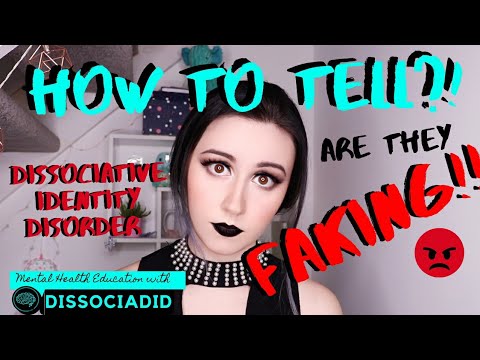
Have you ever heard someone say, “DID is just acting”? Yeah, it’s frustrating, right?
Dissociative Identity Disorder (DID) gets a bad rap. People are quick to throw around misconceptions like they’re the truth, but that’s not even close.
Picture this: Someone you’ve known for years suddenly switches personalities in front of your eyes. Wild, huh? But there’s so much more beneath those surface-level judgments.
We need to dig deeper into what DID really is and what it isn’t. Let’s pull back the curtain on this condition and bust some myths wide open.
Recognizing Genuine Dissociative Identity Disorder: Key Signs vs. Faking Symptoms
Dissociative Identity Disorder, or DID, is one of those topics that can get super confusing. Like, seriously. You’re probably wondering how to tell if someone really has this disorder or if they might be faking it. Let’s break it down.
First off, **DID isn’t just about switching personalities**. It’s way more complicated than that. People with this condition often have two or more distinct identities, each with their own memories and ways of behaving. You might see them acting differently in certain situations, which brings us to some key signs.
- Memory Gaps: One of the biggest signs is memory loss for everyday events or personal information. If a person can’t recall things like where they parked their car or what they did last weekend, it could mean something deeper.
- Distinct Identities: People with DID generally have different «alters,» which are those distinct identities I mentioned earlier. Each one can have unique traits and even different ages or genders.
- Emotional Shifts: You might notice sudden changes in mood or behavior that seem unconnected to what’s happening around them. That’s because different alters might handle emotions in varied ways.
- Physical Symptoms: Some experience physical issues like headaches or unexplained pain when switching between identities—this isn’t a thing you’d fake easily!
Now, let’s chat about faking symptoms. Some individuals might mimic DID for attention or other reasons. It’s essential to look for consistencies in behavior and how those so-called symptoms manifest over time.
For example, fakers often exaggerate symptoms or change their stories frequently—like a plot twist in a movie that doesn’t quite make sense! Real dissociation tends to be more consistent and may not always align perfectly with the situation at hand.
Another point is duration; true dissociative experiences last longer than moments of stress-related dissociation, which are typically temporary reactions to trauma.
And here’s something important: **Diagnosis should always come from a professional** who understands the nuances of DID well enough to distinguish between genuine cases and potential fakes.
So, when figuring out if someone has DID versus just putting on an act, pay attention to context, stability of symptoms, and overall behavior over time. It’s not black and white; it requires consideration of all these elements.
In short, recognizing genuine Dissociative Identity Disorder involves looking at memory gaps, emotional shifts, and consistency in symptoms—while understanding that some may try to fake what they don’t truly experience. And yes—it’s messy! But awareness is so vital in creating empathy toward those really grappling with such complex conditions.
Exploring the Intersection of Fiction and Reality: Can Your DID Alters Be Inspired by Fictional Characters?
Sure thing! Let’s dig into this topic together.
Dissociative Identity Disorder, or DID for short, is a complex and often misunderstood condition. People with DID have multiple distinct identities—or “alters”—that can take control of their behavior at different times. Some folks wonder if these alters can be influenced by characters from books, movies, or shows. It’s an intriguing question!
First off, it’s important to understand that **DID** usually develops as a response to severe trauma. This can stem from things like childhood abuse or neglect. Each alter often represents a coping mechanism or way to handle painful experiences. So, when talking about fictional characters influencing these alters, we need to tread carefully.
There’s this idea that someone could create a character in their mind based on a favorite hero or villain they love. But here’s the deal: while it’s possible for people with DID to *relate* to certain traits of fictional characters, that doesn’t mean their alters are just copycats from pop culture.
A lot of the time, these identities reflect the person’s internal world and experiences rather than just being inspired by outside sources like TV shows or cartoons! For example:
- Protection: One alter might emerge as a protector during stressful situations—like an internal superhero.
- Safety: Another could represent vulnerability—imagine an innocent child who needs safeguarding in tough times.
It’s super interesting when you think about how movies often portray characters with DID. Sometimes those representations aren’t accurate and can actually feed into stigma around the disorder. Things get even messier when people assume that all alters are just made up from fiction.
Now here’s something else to consider: **cultural influences** play a role too! Many people resonate with stories that reflect their own experiences or feelings, leading them to form certain alters that mirror those tales. So while someone might feel connected to Harry Potter’s bravery or Batman’s determination, it doesn’t mean they’re simply imitating those figures.
On the flip side, the lines between fiction and reality can blur for some individuals dealing with DID—their perception of reality may get tangled up due to their experiences and emotions. This doesn’t mean they’re ‘faking’ anything; it means they’re navigating through complex psychological territory.
Bringing in fictional elements isn’t inherently bad either! It can sometimes help individuals process feelings or trauma in ways that feel safe for them—almost like using storytelling as therapy.
Ultimately, exploring how fiction intersects with reality for those experiencing DID is like walking on a tightrope. It requires sensitivity and understanding about both personal histories and how culture shapes our perceptions of identity.
So yeah, while influences from your favorite book character might show up in some crazy ways within someone’s experience of DID—it’s really about so much more than just fictional inspiration alone! Those alters are part of real struggles and stories—they aren’t merely borrowed characters running amok in someone’s mind.
Understanding the Misdiagnosis of Dissociative Identity Disorder: Common Errors and Implications
Dissociative Identity Disorder (DID) has its fair share of confusion. There’s this myth that people are just faking it, and that can lead to some serious misdiagnosis. So let’s break it down a bit.
First off, **what is DID?** It’s a mental health condition where someone has two or more distinct identities or personality states. These different identities can have their own names, ages, histories, and characteristics. Imagine sharing a body with several roommates, each with their own preferences and quirks—that’s kind of what it feels like for someone with DID.
**Now, onto the misdiagnosis part.** Here are some common errors that happen when diagnosing DID:
And oh boy—these misdiagnoses can lead to all sorts of issues! Someone might end up on medications meant for entirely different conditions that don’t really help at all!
The implication here is pretty significant. Misdiagnosing someone with DID isn’t just an “oops” moment; it can mean inadequate treatment and longer suffering for the individual involved.
So yeah, consider Sarah’s story. She spent years feeling lost and confused about herself but was told she had anxiety and depression. Finally stumbling upon therapy that specialized in dissociative disorders made the light bulb go off! In reality, she had been dealing with DID all along but kept getting misdiagnosed because her therapist didn’t see the full picture.
In short, understanding dissociative identity disorder is no easy task—it takes more than just a quick chat to get things right! The consequences of misdiagnosis ripple through someone’s life; acknowledging this issue is crucial in providing proper care for those who truly need it.
Dissociative Identity Disorder, or DID, used to be painted as this mysterious thing on TV, like a character flipping between personalities with dramatic flair. Honestly, it’s a lot more complicated than that. So when people talk about faking it or think it’s just an act, well, that kinda misses the point.
I remember chatting with a friend who went through some intense therapy because they’d been diagnosed with DID. They shared how frustrating it was when folks would say things like, “Oh, you’re just pretending for attention.” Imagine feeling so disconnected from yourself that you can’t even tell where one part ends and another begins. It’s not some cool party trick; it’s survival mode.
DID usually develops as a response to severe trauma during formative years. That means it’s not about time-traveling personalities but the brain’s way of coping when things get too heavy. Each identity—often called an alter—might hold onto different emotions or memories tied to those experiences. So if someone seems to switch in and out of these states, it’s less about being flashy and more about navigating their mental landscape.
And let’s face it: faking something as profound as DID? That’s a hard no for most people who genuinely live with it. If you’ve ever felt the weight of anxiety or depression grip you unexpectedly, imagine multiplying that by layers of identity struggles. It can feel like living in a house full of different people who all want to be heard but aren’t sure how to get along.
That’s why pushing back against these myths matters. It helps create space for understanding instead of suspicion. People need compassion and validation rather than judgment when they’re bravely sharing their experiences.
So really, let’s talk about the reality behind DID—not the dramatizations that make for good TV drama but the real-life struggles and the strength it takes to face them head-on every day. We can do better than just perpetuate myths; we can foster empathy and awareness instead.