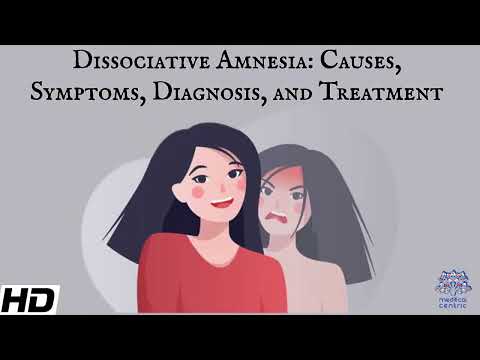
You know that feeling when you space out and can’t remember what just happened? It’s kinda creepy, right? That’s a little bit like dissociative memory.
This whole idea of your brain taking a break from reality can be really confusing. And for some folks, it’s more than just a fleeting moment.
Imagine going through something super tough and your mind just… shuts off. Like a safety valve. Sometimes, it’s hard to keep track of what’s real and what’s not.
That’s where dissociative memory steps in. We’ll talk about how it works and why it matters for mental health. Just hang tight for a sec!
Navigating the Complexities: Challenges in Diagnosing and Treating Dissociative Disorders
Dissociative disorders can be really tricky to navigate, both for those experiencing them and the professionals trying to help. They often involve a disconnection from thoughts, feelings, or sense of identity. So, when someone seeks treatment, it can feel like walking through a maze blindfolded.
Diagnosing dissociative disorders is particularly challenging. These conditions can sometimes look like other mental health issues. For example, symptoms of dissociation might overlap with anxiety or depression. You might be feeling disconnected from yourself or your surroundings and think it’s just stress. But that could actually be a sign of something deeper—like dissociation.
When someone walks into therapy with these symptoms, therapists often have to dig deep. They might ask about past traumas or significant life events because dissociative disorders are frequently linked to severe experiences in the past. Imagine you’re trying to find out why you sometimes don’t remember chunks of your life; it could take time to piece together what’s been hidden away in the mind.
Also, there’s this thing called dissociative amnesia. It’s not just forgetting things like where you left your keys; it can be about losing memories related to trauma. Let’s say someone blocks out an entire period after a car accident because their brain doesn’t want to deal with the pain associated with that memory. This is serious stuff!
Now let’s talk about treatment options because they’re just as complicated! Traditional psychotherapy can help but also takes patience and trust-building between therapist and client. Therapists may use techniques like cognitive behavioral therapy (CBT) or dialectical behavior therapy (DBT). The goal? To gradually bring awareness back in a safe way.
In some cases, medications might help manage symptoms like anxiety or depression but won’t directly treat the dissociative disorder itself. That’s where things get murky—finding the right balance of care is crucial here.
Of course, not every strategy works for everyone. What helps one person may not work for another at all; it’s like trying on shoes—you’ve got to find what fits best! And there can be setbacks too—a person might feel worse before they start feeling better as they face those buried emotions.
Another big challenge lies in societal stigma around mental health issues in general and dissociative disorders specifically. People experiencing these conditions often feel misunderstood or judged by others who haven’t walked their path. It can make it even harder for them to reach out for help.
But hey, support groups can play a significant role! Connecting with others who understand what you’re going through creates a sense of community and validation that’s so important during recovery.
Overall, navigating these complexities isn’t easy—whether you’re seeking help yourself or you’re supporting someone else through this journey—but with the right mix of understanding and resources, healing is totally possible!
Exploring the Controversies in Scholarly Articles on Dissociative Disorders
Dissociative disorders can get pretty complicated, and there’s a lot of debate in academic circles about them. These conversations often revolve around the nature of dissociative memory, emotional experiences, and how they’re treated. Let me break it down for you.
First off, dissociation itself is a way our minds cope with stress or trauma. Imagine you’re in a really tough situation—your brain might just hit the “pause” button. Instead of feeling everything at once, you kind of shut parts off. It’s like when you’re watching an intense movie and just zone out for a bit. Pretty common, right? But when this becomes a regular thing, that’s where things get dicey.
Dissociative disorders include conditions like Dissociative Identity Disorder (DID) and Depersonalization/Derealization Disorder (DPDR). Scholars argue about how these disorders are diagnosed and treated. Some say traditional methods don’t always cut it because they focus too heavily on symptoms rather than understanding the person’s entire experience.
Then there’s the conversation around dissociative memory. This is where things really get interesting—and sometimes contentious! For instance, some scholars say that people with dissociative disorders might not remember traumatic events accurately. It can feel like trying to grab smoke with your hands—very elusive! But on the other side of the coin, others argue that these memories are real and exist to protect us from the emotional pain associated with those events.
Now let’s talk about scholarly articles. You’ve got researchers who point out conflicting studies about how dissociation works in our brains. They throw around terms like “neurobiological underpinnings” which sounds fancy but basically refers to how our brain chemistry changes during trauma. The thing is, while some studies scream “Hey! Look here!” others whisper, “Not so fast.” It creates this chaotic mix of perspectives that can confuse both professionals and patients.
People often share stories about their experiences with dissociative disorders—one friend told me how she felt disconnected from her body during panic attacks; she described it as «floating above herself.» That emotional experience adds layers to what we think we know about these conditions. It highlights that everyone’s journey is unique.
And here’s another layer: treatment approaches! Some professionals advocate for therapy methods that prioritize personal narrative—letting people express those fragmented memories rather than forcing them into boxes labeled “normal.” Others still lean toward medication and cognitive-behavioral strategies which can feel less personal at times.
In essence, the controversies surrounding dissociative disorders come down to recognizing individual experiences while tackling scientific disagreements head-on. As research continues, hopefully we’ll find ways to bridge those gaps so people can better understand what they’re going through—and ultimately heal more effectively.
To wrap it up neatly:
- Dissociation protects us from overwhelming experiences.
- Dissociative memory is still debated concerning its accuracy.
- Scholarly articles often conflict regarding diagnosis and treatment options.
- Individual stories add depth to academic discussions.
- A hopeful future involves merging personal narratives with scientific research.
So yeah, there’s a lot happening in this field! And while it might feel messy now, every discussion leads us closer to understanding these complex human experiences better.
Understanding the Impact of Childhood Trauma on Adult Dissociation: Causes and Coping Strategies
Childhood trauma can have some pretty heavy repercussions as we journey into adulthood. It’s wild how those early experiences shape our thoughts, feelings, and behaviors later on. One common effect is dissociation, which can manifest in various ways, including dissociative memory issues. Let’s break this down a bit.
Dissociation is like your brain’s way of coping when things get too intense. It’s as if your mind decides to “check out” to protect you from emotional pain. You might feel disconnected from yourself or the world around you, almost like watching your life unfold from a distance.
You see, when kids go through traumatic experiences—like abuse or neglect—their brains develop certain survival strategies. Dissociation becomes one of those strategies. Instead of facing the painful reality head-on, they might escape into different states of awareness. As adults, these coping mechanisms can lead to problems like dissociative amnesia or trouble with memory recall.
There’s a story I know about a woman named Sarah. She grew up in a turbulent household where arguments were frequent and scary. To cope with her fear and confusion, she learned to «zone out.» As an adult, she often found herself forgetting important moments or feeling like she was just going through the motions in life—it was her way of dealing with all that unresolved trauma.
Now let’s get into some causes behind this phenomenon:
- Trauma types: Different kinds of childhood trauma—like physical abuse or chronic neglect—can lead to different levels of dissociation.
- Frequency: The more frequent the trauma is during formative years, the more likely a child may rely on dissociation as a coping tactic.
- Support systems: A lack of supportive relationships can exacerbate feelings of isolation and disconnection.
It’s important to recognize that not everyone who experiences childhood trauma will end up with significant dissociative symptoms. But for those who do, it can be a daunting experience.
Coping strategies play a crucial role once we acknowledge this struggle with dissociation. Here are some methods that might help:
- Therapy: Working with a therapist trained in trauma-informed care can provide support and tools for managing symptoms.
- Meditation and mindfulness: These practices help ground you in the present moment and reduce feelings of detachment.
- Journaling: Writing about your feelings and memories can create pathways for processing experiences more deeply.
- Avoiding substances: Drugs or alcohol might seem appealing for escape but often worsen symptoms over time.
If you’ve been affected by childhood trauma and find yourself experiencing dissociative episodes or memory gaps, know that it’s okay to seek help. Healing takes time; being gentle with yourself during this process is key.
Feeling disconnected doesn’t define who you are; it’s just one piece of your complex story. Connecting with others—whether through support groups or therapy—can also facilitate healing because you’re not alone in this journey.
So yeah! Embracing these coping strategies while understanding the roots of your experience can pave the way to reclaiming those lost parts of yourself everyday—a journey worth taking!
You know, dissociative memory can be a pretty wild topic to wrap your head around. It’s one of those things that’s not always easy to understand, especially if you haven’t experienced it yourself. Imagine waking up some days and feeling like maybe you’ve just pressed pause on your life. That’s kind of what it can feel like for folks dealing with dissociative memory—that sense of disconnect from their own thoughts or experiences.
I remember chatting with a friend who went through this after a traumatic experience. She’d recall moments from her childhood but couldn’t connect the dots about certain events. It was frustrating for her, this weird fogginess that seemed to cloud parts of her past. Like she knew something important happened but couldn’t remember the details that made it real for her.
So basically, dissociative memory often kicks in when our brains try to protect us from pain or stress. It’s like a mental escape hatch—your mind saying, «Hey, that was too much; let’s store this away for now.» This defense mechanism can really create challenges down the line because it affects how someone processes their experiences and emotions.
When people think about memory issues, they often picture things like forgetfulness or confusion during a busy day at work. But dissociative memory is different. It’s more intricate and tied up with trauma and anxiety, making it tougher for people to navigate relationships or even just day-to-day life.
Therapies focused on grounding techniques often help individuals reconnect with their memories in a safe space. They might work through those foggy feelings by gradually facing the memories that have been tucked away in the back of their minds.
Not everyone gets it right away, but talking about these struggles helps break down the stigma surrounding mental health conversations. Understanding dissociative memory not only shines light on complex experiences but reminds us all to approach each other with kindness and empathy.
So yeah, while dissociative memory can be challenging, there are ways people manage and cope with it—and knowing you’re not alone in this is incredibly powerful!