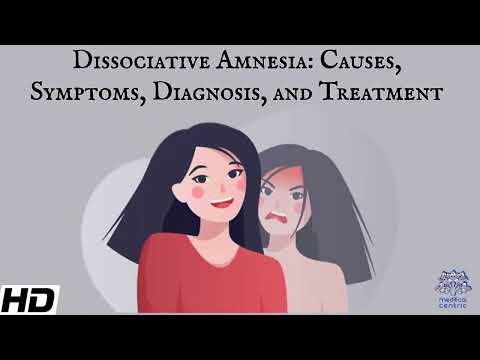
You know those moments when you can’t quite remember something? It happens to everyone, right? But what if those gaps in memory were a little more serious?
Dissociative Memory Disorder is one of those tricky things that can mess with your head. Imagine being unable to recall parts of your life, like they just vanished. Yeah, it’s pretty wild.
It’s not just annoying; it can have a big impact on your mental health. So let’s chat about what this disorder really looks like and how it shapes lives. Because hey, understanding this stuff is super important.
Understanding Dissociative Amnesia: Causes, Symptoms, and Treatment Options
Dissociative amnesia is something that not a lot of people understand, and that’s totally okay. It’s like your brain has a built-in safety switch for protecting you from really painful memories or experiences. Imagine you’ve gone through something super stressful or traumatic; your mind might just decide to “forget” parts of it to help you cope.
So, what causes this phenomenon? Well, it’s most often linked to significant trauma or stress. Things like abuse, accidents, natural disasters, or even the sudden loss of a loved one can trigger dissociative amnesia. Basically, your brain wants to shield you from the emotional pain that comes with those memories.
Now let’s talk symptoms. You might notice:
- Memory loss: This isn’t just forgetting where you left your keys; it can be large gaps in memory related to personal information or traumatic events.
- Identity confusion: Some people may struggle with a sense of who they are, feeling disconnected from themselves.
- Difficulties with emotional regulation: You might find it hard to manage emotions effectively. It can feel like being on an emotional rollercoaster.
I remember a friend who went through a really tough time after losing their sibling suddenly. They started experiencing gaps in their memory about that period—like entire weeks where they couldn’t recall what happened at all! That can be both confusing and frightening.
So how does treatment work? First off, therapy is the main way to approach dissociative amnesia. Therapists often use:
- Cognitive-behavioral therapy (CBT): This helps by changing negative thought patterns and working through the trauma.
- Eye Movement Desensitization and Reprocessing (EMDR): A fancy name for a technique that helps process traumatic memories by using guided eye movements.
- Psychotherapy: More traditional talking sessions where you explore feelings and memories in a safe environment.
Sometimes medication may also play a role if there are accompanying issues like anxiety or depression, but remember—it won’t erase those memories.
In short, dissociative amnesia is serious stuff but can be managed with the right kind of support and professional help. If you or someone you know is dealing with this, reaching out for help is really important! After all, taking care of mental health should always be a priority—like getting our check-ups at the doctor but for our minds instead!
Understanding Dissociative Fugue: Causes, Symptoms, and Treatment Options
Dissociative fugue is one of those topics that can sound really intense, right? Basically, it’s a type of dissociative disorder where someone suddenly loses their memory about their identity and, often, their past. Imagine waking up in a strange place, not knowing how you got there or even who you are. Sounds scary? It totally is.
Causes of dissociative fugue can vary a lot. Most often, it’s linked to extreme stress or trauma. This could be anything from experiencing a car accident to going through a tough breakup or losing a loved one. Sometimes, people develop this condition after they’ve faced some kind of overwhelming situation that makes it hard for them to cope. It’s like the mind just hits the reset button and tries to escape from reality.
The symptoms? They’re pretty clear-cut but can feel super disorienting. You might notice things like:
- Sudden memory loss about personal history.
- Confusion about your identity or adopting a new identity.
- Traveling away from home without remembering how you got there.
- Feeling disconnected from yourself or your emotions.
Imagine Sarah, who after months of caring for her sick parent felt utterly drained. One day she just packed her bags and went on a road trip without recalling why she left or where she was headed. When she finally stopped and looked around, reality hit her hard—she couldn’t remember her own name!
Now let’s talk treatment options. Dealing with dissociative fugue is definitely possible but takes time and support. One common route is therapy—especially approaches like cognitive behavioral therapy (CBT) which helps in understanding and adjusting thoughts and behaviors.
Another method might be EMDR (Eye Movement Desensitization and Reprocessing). This sounds fancy but it’s really about processing traumatic memories in a way that makes them easier to handle over time. Medication isn’t the main go-to here since it doesn’t treat the fugue directly, but if someone has underlying depression or anxiety issues, doctors may prescribe something to help with those symptoms.
In short, although dissociative fugue can throw life into chaos for someone dealing with it, feeling lost doesn’t have to last forever. With professional help and the right support system—a good therapist beside you—it’s totally possible for individuals to regain control over their memories and sense of self again!
Understanding Dissociative Amnesia: How to Take a Test and What It Reveals About Your Mind
When it comes to dissociative amnesia, things can get a little intricate, and honestly, kinda confusing. You may have experienced moments where you forget stuff that seems important, maybe after a stressful time or traumatic event. The thing is, people with dissociative amnesia often struggle with this on a much deeper level.
Dissociative Amnesia is more than just forgetting your keys or where you parked your car. It’s when someone can’t recall important personal information—like their past experiences or even their identity—usually triggered by stress or trauma. The brain basically throws up a wall to protect itself from painful memories.
Now you might be curious about how it’s assessed. If you suspect you might have this condition, professional tests are key. A mental health provider will typically use interviews and questionnaires to explore your history and symptoms. They might ask questions like:
- Have you ever forgotten significant personal details?
- Do you feel detached from yourself or your surroundings?
- Have there been times when you’ve lost track of who you are?
This isn’t a casual chat over coffee; it dives deep into your emotional and psychological world. For example, let’s say someone named Jamie went through a tough breakup and suddenly found it hard to remember who they were before the relationship. A therapist would look at that gap in memory carefully.
An interesting part is that dissociative amnesia can sometimes be confused with other issues like depression or PTSD. It’s vital for an expert to differentiate between them because the treatments can vary widely.
When taking a test for this condition, what’s revealed goes beyond memory loss—it shines a light on how trauma affects the brain and shapes your sense of self. Sometimes, these memories pop back up when the person feels safe again; other times, they don’t return at all without professional help.
What’s crucial here is recognizing that dissociation isn’t just “zoning out.” It’s an actual defense mechanism where the mind protects itself from too much pain by cutting off those memories or feelings entirely.
The effects on mental health can be pretty massive too. People may feel isolated or confused about their identity, leading to anxiety or depression—like being stuck in fog without knowing how to get out.
If you’re dealing with dissociative amnesia—or think you are—it’s super important to talk about it with someone who gets it . It might feel daunting at first, but starting that conversation can really set things in motion toward understanding yourself better and finding healthier ways to cope with whatever’s happening inside your mind.
So remember: understanding what goes on in your brain helps not only in recognizing what’s real but also in moving toward healing those invisible wounds left by traumatic experiences. Keep being curious about yourself; that’s half the battle won!
Dissociative Memory Disorder, or what some folks call dissociative amnesia, can be pretty puzzling and tough to wrap your head around. So, let’s break it down a bit. Basically, it’s when you struggle to remember important personal information. We’re talking about things like your own name, significant life events, or even parts of your day. It’s like your brain hits the «pause» button on certain memories because they’re just too overwhelming or distressing.
Imagine being at a party where everyone knows you but you can’t quite piece together who they are or how you ended up there. Kinda awkward, right? That’s how some people feel living with this disorder every day.
The effects on mental health can be really significant. If someone can’t access their memories properly, it can lead to confusion and a sense of detachment from themselves and their reality. It can create gaps in their identity too. Like, if you don’t remember your childhood or major life events, how do you know who you are? That can make things like forming relationships or maintaining a job really difficult.
So picture this: You might know someone who seems to have it all together on the outside – good job, lots of friends – but inside they could feel lost and disconnected from their own experiences. That’s what makes this disorder even more complicated because people often don’t realize they have it until something big happens that triggers those missing memories.
Therapy plays a crucial role here. A therapist’s guidance can help someone navigate through those lost memories and work through any trauma associated with them. It’s not an easy path—more like climbing a steep hill—but many find it worthwhile.
In short, dissociative memory isn’t just about forgetting; it’s intertwined deeply with mental health and identity challenges that define so much of who we are as individuals. It takes patience and compassion—both for oneself and from others—to deal with this stuff, but healing is absolutely possible!