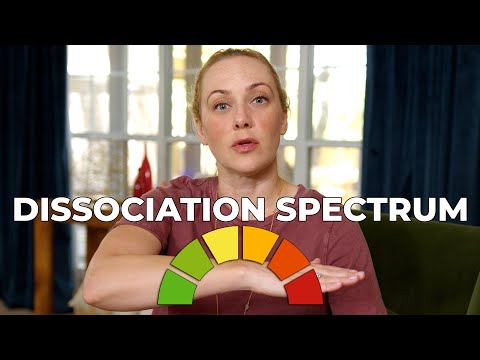
You ever feel like you’re just… not really there? Like, your mind’s doing its own thing while your body is just going through the motions? That’s kind of what dissociative reality is all about.
It sounds intense, but it can happen to anyone. Imagine you’re in a crowded room, but you feel completely alone. You might even zone out in a convo with a friend, feeling like you’re watching it all from afar.
It’s wild how our brains work, right? Sometimes they sort of step back as a way to cope with stress or trauma. But here’s the thing: that can mess with your mental health in ways most people don’t even realize.
So let’s chat about what this means for you and those around you! Buckle up—it’s gonna get real!
Understanding Dissociative Disorders: Symptoms, Causes, and Treatment Options
Dissociative disorders can be tough to understand, but they play a significant role in mental health. Basically, these disorders involve a disconnection between your thoughts, identity, consciousness, and memory. Like, imagine zoning out during a long meeting or forgetting where you parked your car—this is a mild form of dissociation. But in the case of dissociative disorders, it’s pretty intense.
Symptoms can vary widely but often include things like:
- Memory loss: Not just everyday forgetfulness; it could be large chunks of your life. Someone might not remember traumatic events or even their own identity.
- Depersonalization: This feels like you’re watching yourself from outside your body, almost like you’re in a movie.
- Derealization: The world around you seems unreal. You might feel detached from people or things that once felt normal.
Now let’s talk about what causes these disorders. It’s often related to trauma—serious stuff like childhood abuse or neglect. When the mind experiences something horrific, it may try to protect itself by disconnecting from the experience. It’s like hitting the pause button on a terrible moment so that you don’t have to feel it right away.
Treatment options for dissociative disorders are geared toward helping you cope with and understand your feelings and memories better. Here are some common approaches:
- Psychotherapy: This is usually the go-to treatment. Talking to a therapist helps you explore your thoughts and feelings without judgment.
- Cognitive Behavioral Therapy (CBT): It focuses on changing negative thought patterns and behaviors related to dissociation.
- Medication: While there isn’t any specific medication just for dissociative disorders, antidepressants or anti-anxiety meds might be prescribed if you’re dealing with accompanying symptoms.
I remember chatting with someone who experienced derealization frequently. They described walking down the street and feeling like they were in a video game—everything looked super weird and not quite real. It was unsettling! They found therapy really helpful because it allowed them to talk through those feelings in a safe space.
So yeah, understanding dissociative disorders involves recognizing the signs and knowing that they often stem from trauma or significant stress. Treatment focuses on healing those emotional wounds while providing support for coping strategies.
Remember, if you or someone you know is struggling with these feelings, reaching out for help can be key! There are professionals who genuinely want to help guide you through this complex landscape of emotions and experiences.
Understanding Dissociative Amnesia: Causes, Symptoms, and Treatment Options
Dissociative amnesia can feel like living in a fog. Some moments, you’re fine, and then suddenly, you forget chunks of your life. It’s not just regular forgetfulness—this can be a way for your mind to escape from stress or trauma. Let’s break down what it is, why it happens, and how to deal with it.
What is Dissociative Amnesia?
It’s basically when your brain blocks out specific memories or information. Often, this relates to stressful events, like accidents or emotional trauma. Picture someone who went through a tough breakup and can’t remember details of that relationship—it’s like their mind is protecting them from the hurt.
Causes
There are several reasons why dissociative amnesia can occur:
- Trauma: Experiences like abuse, natural disasters, or war can trigger this condition.
- Stress: Intense pressure from work or personal situations might also lead to memory loss.
- Coping Mechanism: Your brain sometimes chooses to forget painful memories as a way to cope.
You know how sometimes people block out really intense memories, right? It’s kind of like when you try not to think about something embarrassing that happened—only in this case, it gets taken to an extreme level.
Symptoms
The symptoms aren’t super obvious at first glance. Here are some signs you might see:
- Memory Loss: Forgetting events that should be easy to recall—like where you left your keys but on a much larger scale.
- Derealization: Feeling disconnected from reality or yourself in situations.
- Dissociation: Being present but feeling like you’re watching everything from afar.
Imagine sitting at dinner with friends but feeling completely detached—like you’re just an observer rather than part of the group. It’s unsettling for sure.
Treatment Options
So what do you do if someone experiences dissociative amnesia? Treatment usually involves therapy and support:
- Therapy: Talking things through with a therapist is super helpful. They might use cognitive-behavioral therapy (CBT) or eye movement desensitization and reprocessing (EMDR).
- Mediation: Mindfulness and relaxation techniques can help ground someone in the present moment.
- Support Groups:Your surroundings matter too! Finding people who understand what you’re going through can be comforting.
Working through these feelings takes time. It’s important not to rush the process; healing often comes in waves.
Dissociative amnesia isn’t just something you hear about in movies—it affects real lives every day. If you’ve ever felt out of sync with yourself or found memories slipping away during stressful times, you’re not alone. Knowing more about it helps make sense of those feelings and opens up paths for healing. So if anyone’s struggling silently with this experience? Connect them with resources—they deserve support!
Understanding Dissociative Identity Disorder: Symptoms, Causes, and Treatment Options
Dissociative Identity Disorder, or DID, is something you might have heard about in movies or TV shows. But what is it really? Simply put, it’s a serious mental health condition where someone has two or more distinct identities or personality states. These can come with their own names, ages, histories, and characteristics. It’s not just about being moody; it’s a lot deeper than that.
People with DID often experience dissociation, which means they might feel disconnected from themselves and their surroundings. Imagine zoning out during a boring lecture. But for someone with DID, this can be way more severe and affect their daily life in significant ways.
Symptoms of DID can vary widely but often include:
- Memory loss: This isn’t your average forgetfulness. People might not remember significant events or even days of their lives.
- Disruption of identity: They may feel like they have different identities inside them that take over at different times.
- Depersonalization: This feeling can make you think, “Is this even my life?”
- Depression and anxiety: These commonly tag along as well.
So why does this happen? Well, the root cause is typically some serious trauma experienced during childhood. Maybe it was emotional, physical, or sexual abuse—stuff that no kid should ever go through. The brain essentially creates these different identities as a survival mechanism to cope with the pain. It’s like building protective walls around the self to handle overwhelming experiences.
Treatment for DID usually involves therapy—especially something called trauma-focused therapy. Think of it as peeling back layers of an onion; therapists help people gradually deal with their trauma while integrating those different identities into one cohesive self. It takes time—lots of time—but healing is possible.
Sometimes medication can alleviate symptoms like depression or anxiety but doesn’t directly treat DID itself. It’s like having a band-aid on a deeper wound; it’s important but not the whole solution.
You know how sometimes you feel exhausted after dealing with a tough day? Picture someone living in constant emotional turmoil without knowing when another part of them will take over—that’s what many people with DID experience daily. Being kind and understanding toward those struggling with this disorder can truly make a difference in their journey toward healing.
In summary, Dissociative Identity Disorder isn’t just something from horror flicks—it’s a complex condition rooted deeply in traumatic experiences that require compassion and specialized treatment to navigate through effectively.
Dissociative reality is one of those topics that can feel a bit out there, right? Like, what does it even mean? But honestly, it’s more common than you might think. It’s all about how our brain can sometimes protect us from overwhelming situations by creating a bit of distance from reality. Imagine you’re watching your life like it’s a movie, feeling disconnected from everything around you. That sense of detachment can be pretty unsettling.
A friend of mine once shared her experience with dissociation. She was going through some heavy stuff—stress, anxiety, family issues—and suddenly it felt like she was floating above her own life. It was like she could see things happening but wasn’t really part of it. At first, she thought it was just a weird phase or maybe fatigue playing tricks on her mind. But as weeks went by, that distant feeling lingered, making everything less vibrant and engaging.
When you’re in that dissociative state, everyday activities—like chatting with friends or enjoying your favorite show—start to become dull and automatic. You might find yourself going through the motions but not really connecting with anything or anyone deep down. It’s kind of scary when you realize you’re not fully present in your own life.
This experience can mess with your mental health too. Anxiety and depression often tag along for the ride when someone is stuck in this kind of reality escape mode. And let’s be real: if you’re feeling disconnected from the world, it’s tough to maintain relationships or even take care of yourself properly.
Therapy can be super helpful here! It’s all about learning to stay grounded and reconnecting with your feelings and experiences. A good therapist can help guide you through understanding why your mind might have chosen to dissociate as a defense mechanism in the first place.
So if you ever feel like you’re floating through life rather than living it? You’re definitely not alone—and there are ways to make sense of it all and find your way back home to reality, piece by piece.