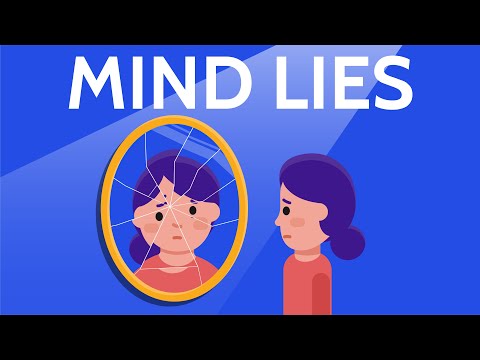
So, you know how sometimes your brain just kinda spirals? Like, you think one little thing and before you know it, you’re convinced the world is ending? Yeah, that’s a whole vibe.
We all have those moments. It’s like your mind plays tricks on you, right? And it can be super frustrating.
What’s wild is that these distorted thoughts can really mess with how we feel and act. It’s like wearing funhouse glasses—everything feels warped.
In this chat, let’s look at some common ways our thinking gets all tangled up. You’ll probably recognize a few of these in yourself or someone close to you. Let’s untangle this together!
Understanding Distorted Thoughts: Real-Life Examples and Their Impact on Mental Health
Distorted thoughts can really mess with how you see yourself and the world. You know, those nagging little voices in your head that twist reality? They can lead to anxiety, depression, or even just feeling off. Let’s dig into this a bit.
One common example of distorted thinking is all-or-nothing thinking. This is when you see things in black and white. Like, if you don’t ace a test, you think you’re a total failure. I remember my friend Kelly freaking out because she missed one question on her exam. She spiraled into thinking she’d never get into college because of that one mistake! Seriously, it was just one question.
Then there’s catastrophizing. This is where you blow things out of proportion. Say you have a minor argument with your partner. Instead of just seeing it as a normal disagreement, you think, “This means we’re going to break up!” That kind of thinking can lead to unnecessary stress and panic.
Another one that trips people up is overgeneralization. It’s like taking one bad experience and saying it’ll happen every time. If someone doesn’t text back quickly, it doesn’t mean they’re ignoring you or don’t care. But those thoughts can spiral into feeling unworthy or unwanted.
Moving on, let’s talk about personalization. This happens when you take responsibility for things that aren’t your fault. For instance, if your friend is having a tough day and snaps at you, you might think: “I must have done something wrong.” It’s draining to carry around all that guilt!
Don’t forget about diminishing the positive. When good things happen, like getting praise at work or compliments from friends, some might shrug them off as luck or flukes instead of acknowledging their own effort. It’s heartbreaking because it leads to low self-esteem over time.
These distorted thoughts don’t just hang around—they really hit hard on our mental health! When they become patterns in your life, they can lead to anxiety disorders or depression. You start avoiding situations where these thoughts pop up—like social gatherings or work meetings—even if they’re good for you.
So yeah, the impact can be massive. And recognizing these patterns is the first step! If you’re feeling stuck in that cycle of distorted thinking, reaching out for help can change everything—whether it’s talking to a therapist or sharing with friends who get it.
Remember how I mentioned Kelly? Well eventually she sought help and learned how to challenge those black-and-white thoughts with more balanced perspectives. Now she handles setbacks way better! Just goes to show that understanding and addressing distorted thoughts can lead to real change in our mental health journey.
Understanding Common Thought Distortions: How They Impact Mental Health
Thought distortions are like those annoying little gremlins in your mind, twisting your thoughts and making everything seem darker or more negative than it really is. They can worm their way into anyone’s head, and they seriously mess with how you see yourself and the world around you. So, let’s break down some common ones and see how they impact mental health.
- All-or-Nothing Thinking: This is where you see things in black-and-white terms. You either did great, or you totally flopped. Like, if you miss one workout, you might think you’re a complete failure when really, everyone has off days.
- Overgeneralization: Here’s when you take one instance and blow it way out of proportion. Say you bomb an interview; suddenly you’re convinced you’ll never get a job again. It feels super overwhelming but it’s not true.
- Mental Filter: This is like wearing glasses that only let negative stuff through. You might get ten compliments but fixate on that one critical comment someone made. It can really skew your self-image.
- Disqualifying the Positive: Similar to the mental filter, but this time you’re actively dismissing good things that happen. You ace a test but think it was just “luck.” Seriously? That’s not fair to yourself!
- Jumping to Conclusions: This is about making assumptions without clear evidence—like thinking a friend didn’t text back because they’re mad at you. They could simply be busy! But your mind goes straight to that worst-case scenario.
- Diminishing the Positive: You downplay achievements as if they don’t matter. Maybe you got a promotion but brush it off saying “They must have been desperate.” Come on! Recognize your hard work!
- Cata-strophizing: This one’s for when your brain goes into full-blown disaster mode over little bumps in the road—a traffic ticket means you’ll go broke or maybe even end up in jail? That’s quite the leap!
So why do these thought distortions matter? Well, they can seriously jam up our mental health gears. They contribute to anxiety, depression, and low self-esteem by creating endless cycles of negativity in our minds.
A friend once told me about her struggles with anxiety and how she’d spiral into these crazy loops of thinking whenever she faced any kind of challenge. Like if she had to speak up at work or make small talk at a party—her inner critic would scream that she was going to embarrass herself! The thing is, it wasn’t until she started recognizing these distortions that things began to shift for her—you know? Just shining light on those gremlins helped her combat them.
Recognizing thought distortions doesn’t come easy; it’s kind of like trying to catch smoke with your bare hands sometimes. But once you start noticing them, you’re taking steps toward better understanding yourself and improving your mental health.
Learning how to challenge these thoughts can lead to more balanced perceptions—making life feel less heavy and more manageable. So give yourself grace; we’re all human after all!
Understanding Distorted Thinking: Mental Illnesses That Influence Perception
Distorted thinking, huh? It’s a big deal in the mental health world. Basically, it refers to the way our minds can trick us into seeing things in a skewed or negative light. When someone deals with certain mental illnesses, it can mess with their perception and lead to some pretty wild beliefs. So let’s break it down a bit.
1. What is Distorted Thinking?
Think of distorted thinking as a funhouse mirror that reflects reality all wrong. You might feel like things are worse than they really are, or that everyone is out to get you. This can happen when you’re dealing with anxiety, depression, or other mental health struggles.
2. Cognitive Behavioral Therapy (CBT)
One way folks tackle distorted thoughts is through cognitive behavioral therapy. It’s like having a personal coach for your brain. A therapist works with you to recognize these negative thoughts and challenge them until they start to fade away.
Let me share something personal here: I remember talking to a friend who was always convinced she was the worst at her job. She’d get an email from her boss and panic—like full-on freak out—thinking she was going to be fired over nothing! With some CBT sessions, she realized her boss actually thought she was doing great work and just wanted to discuss some future projects. It was all in her head.
3. Common Examples of Distorted Thinking
Now let’s look at some common types of distorted thinking:
- All-or-Nothing Thinking: You see things in black-and-white terms. If you don’t ace that presentation, you feel like a total failure.
- Overgeneralization: You take one negative experience and assume it’ll happen every time – like if one date goes bad, you’ll think you’ll never find love.
- Mental Filtering: Focusing only on the negatives while ignoring positive feedback; it’s like wearing blinders at an art exhibit where everything looks dull.
- Diminishing the Positive: When something good happens but you brush it off as luck rather than recognizing your hard work.
- Cataastrophizing: Anticipating disaster when there’s no actual evidence; for instance, thinking you’ll crash your car just because you were late leaving home.
4. Impact on Daily Life
When distorted thinking takes hold, it can affect relationships, job performance, and even self-image! You might miss out on fun experiences because your brain is busy convincing you that it’s not worth it.
Imagine skipping a party because you’re sure nobody will talk to you—when in reality? People are probably eager to say hi! Distortion really shapes how we interact with the world around us.
5. Working Toward Clarity
The cool thing? Recognizing these patterns is half the battle won! Once you’re aware of your mind’s tricks, it gets easier to combat them. Journaling or simply talking through feelings with someone close can help clear up those cloudy perceptions too.
In sum, understanding distorted thinking is key in managing mental health issues effectively. The better we understand our thought patterns—those sneaky little traps—the more we can step into clarity and rebuild our sense of reality.
So remember: if your mind tells you something outrageous about yourself or others? Challenge that thought! You’ve got this!
You know, when we talk about mental health, one of the things that often comes up is distorted thinking. It’s like these little tricks our minds play on us, twisting our thoughts into something that feels super real but is often far from it. I remember a friend of mine, let’s call her Jess. She was always convinced that if she made one tiny mistake at work, everyone would think she was a total failure. Like, seriously? Just one slip-up and you’re done? It sounds wild when you say it out loud.
But that’s the thing with distorted thinking—it creeps in and makes us see situations in this all-or-nothing light. This black-or-white thinking doesn’t leave much room for nuance. So, if Jess messed up on a project, she’d go down this rabbit hole of “I’m terrible at my job” or “I’ll never get promoted.” It can be exhausting to keep that kind of negativity running in your head all the time.
Another example is catastrophizing, which is just a fancy way of saying you’re blowing things way out of proportion. Like what happened last week when my coworker told me they thought I had missed an email. I immediately thought I’d get fired! But then I realized: maybe it was just an oversight or something small. Not everything means life as we know it is about to end!
Then there’s overgeneralization where people take one bad experience and turn it into a sweeping statement about their lives. Like if you get rejected from a date and suddenly think you’ll never find love again? Ouch! That kind of thinking can make you feel so hopeless.
These kinds of distorted thoughts are super common in mental health struggles—whether it’s anxiety or depression or whatever else you might face. And honestly? They can really mess with your mood and self-esteem if you’re not careful.
It’s important to catch yourself when these thoughts start creeping in. You’ve got to challenge them, like Jess did after some discussion with her therapist. She worked on reframing those runaway thoughts into something more balanced—and guess what? She started feeling less stressed and more confident.
So yeah, being aware of how our minds can twist things around is key to staying grounded in reality; it’s part of the journey toward better mental health for many people out there. And just talking about it makes a big difference!