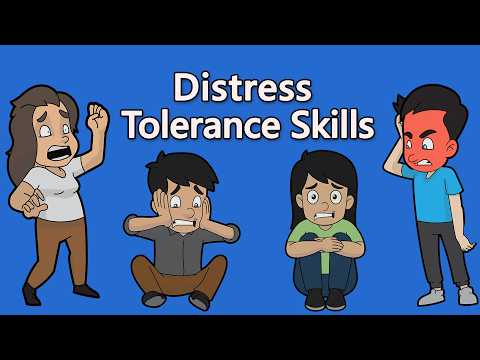
Life can get super overwhelming, can’t it? Especially when you’re a teen trying to navigate all these crazy emotions. I mean, one minute you’re on top of the world, and the next, it feels like everything’s crashing down.
So, here’s the thing: you might face some pretty tough situations. Crises happen — it’s just part of growing up. But what if I told you there are ways to handle that stress without losing your cool?
Yeah, really! That’s where distress tolerance skills come into play. They’re like lifelines during those stormy days. You’ll learn how to ride those emotional waves instead of getting wiped out by them.
Let’s chat about building those skills and turning the chaos into something manageable. It might just change how you deal with tough times forever!
Essential Distress Tolerance Skills for Teens: Free PDF Guide for Emotional Resilience
Building emotional resilience is super crucial for teens navigating the ups and downs of life. You know that feeling when you’re overwhelmed, and it seems like everything’s just too much? That’s where **distress tolerance skills** come into play. These are tools that help you manage those intense emotions during tough times.
When teens learn how to tolerate distress, well, it can make a huge difference in how they cope with everyday challenges. So, let’s break down some essential skills that can really help.
1. Mindfulness
Being mindful means being present in the moment without judgment. It’s all about noticing what you feel—like if your heart’s racing or you’re feeling anxious—without freaking out about it. You can try simple breathing exercises or grounding techniques, like focusing on your feet touching the floor.
2. Radical Acceptance
This one sounds fancy, but it’s pretty straightforward. It means accepting things as they are rather than how you wish they would be. Let’s say you didn’t make that soccer team—you can either stew over it or recognize, «Okay, this happened.» Accepting reality helps reduce suffering.
3. Distraction
Sometimes, when feelings get too heavy, distraction is your best buddy. This could be reading a book, playing video games, or watching a funny show. It doesn’t mean ignoring your feelings; it’s more like giving yourself a break until you’re ready to deal with them again.
4. Self-Soothing
This is all about finding ways to comfort yourself during tough times. Maybe it’s taking a warm bath, listening to music that lifts your spirit or cuddling up with a pet. Whatever soothes you is valid!
5. Emotion Regulation Techniques
You know those big emotions that hit hard? Learning how to regulate them can be super helpful! Keeping an emotion diary can help track what triggers those feelings and how best to deal with them next time.
6. Problem-Solving Skills
When challenges arise, brainstorming potential solutions can empower you! If school gets overwhelming due to assignments piling up, strategize on breaking tasks into smaller chunks instead of letting them loom over you like a dark cloud.
And here’s the thing: these skills take practice! You might not master them overnight—trust me, no one does—but every little step counts toward building that emotional muscle.
If you’re interested in diving deeper into distress tolerance skills specifically for teens—including exercises and worksheets—a free PDF guide could offer more structured help tailored just for this age group! It often includes practical examples and space for personal reflections too.
In any case, learning these skills isn’t just useful during crises; they eventually become part of how you handle life as it comes at ya!
Mastering Distress Tolerance: Essential Skills and Downloadable PDF Guide
We all have those moments, you know? Days when the weight of the world feels just a bit too heavy. It’s not easy to cope with distress or intense emotions—especially if you’re a teen trying to figure things out. That’s where **distress tolerance** skills come in. These are like little tools you can carry around to help deal with life’s ups and downs.
So what exactly is distress tolerance? It’s basically your ability to handle tough situations without becoming overwhelmed or acting out in negative ways. Think of it as emotional resilience. You want to ride those waves of feelings rather than getting knocked off your surfboard, right?
Now, let’s break down some essential skills you might find helpful:
- Mindfulness: This is about being present in the moment without judgment. It helps you notice what you’re feeling without getting swept away by it. For example, if you’re feeling anxious before a big test, focusing on your breath can ground you.
- Self-soothing: This involves using your senses to comfort yourself when things get tough. Maybe it’s listening to your favorite music or wrapping yourself in a cozy blanket. Find what calms you down and use it!
- Distraction: Sometimes taking a break from what’s causing distress can be super effective. Engage in an activity you enjoy, like drawing or watching a funny show—just something that pulls your mind away for a bit.
- Radical acceptance: This skill is all about accepting reality as it is, even if it’s not what you’d hoped for. It doesn’t mean you have to like it; it just means acknowledging that it’s happening.
- Problem-solving: When you’re faced with an issue that’s bothering you, try breaking it down into smaller parts. What’s one thing you can do right now? Taking action—even small steps—can often ease feelings of helplessness.
Building these skills takes time; they won’t just magically appear overnight! It’s kinda like training for a sport or learning an instrument: practice makes perfect.
You might also hear about **DBT** (Dialectical Behavior Therapy) in relation to distress tolerance. DBT focuses on teaching these kinds of skills and has some great structured methods for doing so, especially for teens grappling with intense emotions.
And here’s an interesting tidbit: research shows that teens who practice these skills often report feeling more in control of their emotions and overall well-being. Isn’t that something?
If you’re looking for more guidance on this journey toward mastering distress tolerance, there are resources out there—like downloadable PDFs that outline exercises and practices focused on building these crucial skills specifically for teens.
Sometimes life throws curveballs our way, but with the right tools in your emotional toolkit, you can face those challenges head-on! So take a deep breath and remember: it’s okay not to be okay sometimes; what’s important is how we bounce back from those moments.
Effective Distress Tolerance Activities: Downloadable PDF Guide for Mental Well-Being
Building distress tolerance skills can be a game changer, especially for teens navigating tough emotions. You know how life can throw us curveballs? When those moments hit, having some effective activities up your sleeve can seriously help manage the chaos.
So, what are some good distress tolerance activities? Here are a few ideas that could make a real difference:
- Grounding Techniques: Think about using your senses to anchor yourself in the present. It could be something like noticing five things you see or focusing on sounds around you.
- Breathing Exercises: Deep breathing can calm your mind and body. Try inhaling for four counts, holding it for four, and then exhaling for six.
- Physical Activity: Getting your body moving is huge! A quick walk or even dancing around your room can lift your mood.
- Creative Expression: Drawing, writing, or playing music lets out those feelings in a healthy way. It’s like giving your emotions a voice!
- Mindfulness Practices: Taking a moment to just be aware of your thoughts without judgment helps distance you from intense feelings.
Picture this: maybe you’re feeling overwhelmed during finals week. Instead of spiraling into anxiety, you take a few minutes to breathe deeply and focus on what’s happening around you—like the buzz of your favorite coffee shop or the warmth of sunlight streaming through the window. That little break allows you to reset.
Having a downloadable PDF guide with these activities laid out can make it easier to reference when you’re in the thick of it all. It’s often tricky to remember techniques when stress hits hard.
Now, if you’ve ever felt like emotions were too much to handle (and let’s be honest, we all have), knowing that there are concrete steps you can take is super empowering. Distress tolerance skills don’t make problems disappear but they do help you cope better.
And remember, building these skills takes time and practice—so don’t be too hard on yourself if it doesn’t click right away! The thing is really about finding what resonates with you and making it part of your routine.
In short, developing distress tolerance skills means gaining control over emotional turbulence while boosting overall well-being. So when life gets intense—and it will—you’ll feel more equipped to handle whatever comes next!
Building distress tolerance skills is a pretty big deal, especially for teens. You see, when life throws curveballs—like friendship drama, grades that feel like a mountain of pressure, or just feeling like you don’t belong—it can be really tough to handle those feelings. Honestly, I remember a time when my friend was going through a rough patch. She’d have these panic attacks during finals week. It felt like the whole world was crashing down on her because she thought her future depended on those exams.
So, what’s distress tolerance? Well, it’s basically about learning how to cope when things get super overwhelming without resorting to unhealthy habits or actions. It’s about sitting with that uncomfortable feeling instead of running from it or exploding in frustration.
For teens in crisis, developing these skills can make all the difference. Think about it: instead of shutting down or lashing out when those big feelings come up, they can learn to breathe through it and use strategies to manage their emotions. One effective way is engaging in mindfulness exercises—like focusing on breathing or grounding themselves in the present moment. There’s something calming about tuning into your body and surroundings when everything feels chaotic.
Another cool technique is the use of “distraction” methods. This doesn’t mean ignoring problems but finding healthy ways to redirect intense feelings. Activities such as drawing, listening to music, or even going for a walk can help shift focus temporarily so that emotions feel more manageable.
And let’s not forget self-soothing techniques! You know how you feel when you wrap yourself in a cozy blanket with your favorite snacks? That’s self-soothing at work! It could be as simple as taking a warm bath, cuddling with a pet, or even getting lost in a good book.
It’s important for parents and educators to help teens practice these skills too. Sometimes just saying “hey, I get it; it’s okay to feel stressed,” creates space for those conversations that matter most.
In the end, building distress tolerance isn’t just about surviving tough moments; it’s also about thriving through them and learning that you really can handle the chaos life throws your way! So yeah, equipping teens with these tools allows them not only to cope better now but also sets them up for healthier emotional habits down the road. And isn’t that what we want for our future generations?