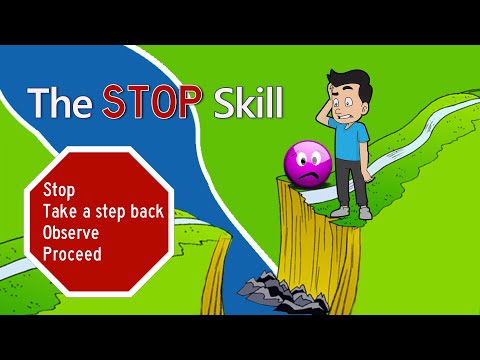
You know how life can throw some serious curveballs, right? One minute you’re on top, feeling like you can conquer the world. The next? Total chaos.
For teens, this rollercoaster of emotions is even more intense. Seriously! It’s like their brains are doing somersaults while they’re just trying to figure out school, friends, and everything else.
That’s where distress tolerance comes in. It’s all about learning to cope when things get tough. And trust me, it’s a game-changer!
Imagine having tools in your back pocket that help you manage anxiety or anger when life hits hard. Sounds pretty great, huh?
Let’s talk about building those skills and making mental health a bit more manageable. Because every teen deserves to feel okay, even when everything feels out of control.
Essential Distress Tolerance Skills for Teens: Download Your Free PDF Guide
So, let’s talk about distress tolerance skills for teens. It’s a pretty crucial topic, especially in today’s world where emotions can feel super overwhelming. You might be wondering what distress tolerance even means. Well, it’s all about handling those intense moments without falling apart or resorting to unhealthy coping mechanisms.
Basically, when life throws challenges your way—like stress from school, conflicts with friends, or just feeling anxious—it’s important to manage those feelings instead of letting them take control. Here’s where some solid skills can really make a difference.
1. Mindfulness
Being mindful means staying present in the moment without judging your feelings or thoughts. It’s like stepping back to observe what you’re going through instead of jumping right into the emotion itself. Think of it as watching clouds float by; you recognize them but don’t have to chase them.
2. Deep Breathing
When things get tough emotionally, taking deep breaths can help ground you. It sounds simple, but it works wonders! Try inhaling deeply through your nose for a count of four, holding it for four counts, and exhaling slowly through your mouth for another four counts. Repeat that a few times and see how much calmer you feel.
3. Reality Check
Sometimes our minds play tricks on us during stressful situations. Doing a quick reality check helps put things into perspective. Ask yourself questions like: “Is this situation really as bad as I think?” or “What would I tell a friend if they were feeling this way?” This can shift your mindset and make things seem less daunting.
4. Distraction Techniques
Finding healthy distractions is super helpful when emotions flare up. You could listen to music that lifts your mood or dive into a book you love—whatever distracts your mind from the distressing thoughts works! Just remember that it should be something positive and engaging!
5. Self-Soothing Activities
It’s key to have some go-to self-soothing activities ready to roll when needed! This could be anything from taking a warm shower, cuddling with a pet, or engaging in art—basically anything that brings you comfort and joy.
Now imagine you’re preparing for an exam but get hit by waves of anxiety instead of excitement; practicing these skills could help turn those overwhelming feelings into manageable ones!
You might want more info on these techniques, so here’s the kicker: downloading resources like PDFs on distress tolerance skills can provide more structured activities and tips right at your fingertips! Just having something handy can make all the difference when you’re feeling under pressure.
So there ya go! Building these distress tolerance skills isn’t just about getting through tough times; it’s about thriving in life despite them too! With practice and patience, anyone—even teens—can learn how to manage their emotional ups and downs more effectively.
Mastering Distress Tolerance: Essential Skills and PDF Guide for Better Mental Health
Alright, let’s talk about distress tolerance. It’s one of those fancy terms that sounds a bit high-tech, but don’t get overwhelmed by it. At its core, distress tolerance is all about how you handle and cope with stress and emotional pain. You know, like when life throws you curveballs—whether it’s school pressures, relationship drama, or just feeling overwhelmed by everything. You gotta have the right skills in your mental toolkit to deal with it.
So first off, what do we mean by **distress tolerance skills**? Well, these are strategies that help you manage intense emotions without acting on them impulsively or feeling totally out of control. The goal is to ride those waves of discomfort instead of getting knocked over by them.
Here are some key skills that can help you build your distress tolerance:
Alright, picture this: You’re sitting in class and suddenly feel an explosion of anxiety because you’re worried about an upcoming exam. Instead of letting yourself panic and spiral downwards into «I’ll never make it,» try using some of these skills:
First off, take a deep breath—like seriously deep—and focus on grounding yourself in the moment (hello mindfulness!). Next up, maybe pop on some calming music while you’re studying afterward—that’s self-soothing at its best!
Now I know sometimes people roll their eyes at all this self-help stuff—hey, it happens—but give these techniques a shot! There’s no magic wand here; rather think of them as stepping stones towards better coping.
And speaking of resources—lots of folks nowadays find cool guides floating around online in PDF form that include exercises for practicing distress tolerance skills. Just search “distress tolerance PDF” and see what pops up! They often have worksheets and real-world examples to make things click better for teens feeling stressed out.
Distress tolerance isn’t something learned overnight; it’s more like building muscle over time. Some days will feel easier than others—that’s just part of being human! Be patient with yourself as you’re figuring this out; after all practicing makes progress.
In short? Building these skills isn’t just important—it’s essential for navigating life’s ups and downs smoothly. So go ahead and grab those tools; it’s totally worth investing time in your mental health game!
Effective Distress Tolerance Activities: Free PDF Guide for Managing Emotional Stress
Managing emotional stress is a big deal, especially for teens. You know, the teenage years can feel like a roller coaster ride with all those ups and downs. When emotions run high, knowing how to handle them is super important. That’s where **distress tolerance skills** come into play.
So, what are distress tolerance skills? Well, they’re basically tools or techniques that help you cope with painful feelings without making things worse. It’s all about finding ways to ride those emotional waves without getting totally wiped out by them.
Here are some effective activities that can really help build these skills:
- Deep Breathing – This one’s a classic! Just take a moment to breathe in slowly through your nose and let it out through your mouth. You’d be amazed at how much this calms your mind.
- Grounding Exercises – If you feel overwhelmed, try focusing on your surroundings. Identify five things you can see, four things you can touch, three sounds you hear, two smells around you, and one thing you can taste.
- Journaling – Writing down your thoughts and feelings can be therapeutic. It helps organize your brain and gives you a chance to express what’s going on inside.
- Physical Activity – Whether it’s dancing in your room or hitting the gym, moving your body releases endorphins. Those little guys actually boost your mood!
- Meditation or Mindfulness – Setting aside time to meditate or practice mindfulness helps create space between you and stressors. It’s like hitting the pause button on those racing thoughts.
- Sensory Activities – Engaging your senses can ground you when emotions feel intense. Try squeezing a stress ball or listening to soothing music as distractions.
Sometimes just knowing these activities exist isn’t enough; it takes practice! Here’s an example: Let’s say you’re feeling really anxious before a big test at school. Instead of spiraling into panic thinking about what could go wrong, take a few moments to breathe deeply or write about what you’re feeling in a journal. Both are great ways to regain some control over the anxiety.
One thing I want to mention is that it’s perfectly okay to ask for help if things get tough—you don’t have to navigate this alone! Talking with trusted friends, family members or even professionals can provide extra support.
Also remember that mastering distress tolerance skills isn’t something that happens overnight; it takes time and patience. But stick with it! Your mental health is worth every bit of effort you put in.
So yeah, if you’re feeling overwhelmed by emotions more often than you’d like, give these activities a try! They might just make those rough days a tad bit easier to handle.
Building distress tolerance skills is like giving teens a toolkit for those emotional storms that can hit when they least expect it. You know how it feels when everything just feels too much? Like that moment in high school when you bombed a test you studied for, and your heart is racing while your mind spirals into thoughts of failure? Yeah, I’ve been there too.
So, the thing is, teaching teens how to tolerate distress isn’t about making them tough or telling ‘em to just “get over it.” It’s more about helping them find ways to handle those overwhelming feelings without getting totally swept away. Think of it as giving them some lifebuoys to grab onto when the waves of life crash in.
Distress tolerance skills can involve stuff like mindfulness exercises. When things are rough, slowing down and focusing on their breath can truly help ground them. I remember a friend who would close her eyes and count her breaths before facing any test or tough situation. It sounds simple but man, it worked wonders for her.
Then there’s the whole idea of distraction techniques too! Watching an episode of their favorite show or diving into an art project can be amazing escapes. It’s like hitting reset on their minds even if just for a little while.
And let’s not forget social support—oh boy! Sometimes all they need is a good friend who understands what they’re going through. There’s something so comforting about knowing someone else gets it, right? Just having those honest conversations can make a world of difference.
Building these skills takes patience and practice; it won’t happen overnight. But every small moment spent learning how to deal with stress adds up to creating stronger emotional muscles. So yeah, for all the teens out there feeling overwhelmed—remember, it’s totally okay not to be okay all the time, and with these tools in hand, you’re way more equipped to face those tough moments head-on!