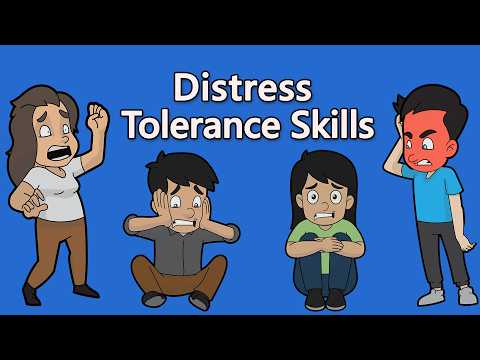
Life can hit hard sometimes, right? One minute you’re cruising along, and the next you’re feeling overwhelmed. It happens to all of us.
When emotions get intense, it’s easy to feel lost. You might find yourself just trying to survive the moment. But guess what? There are ways to handle the stress without totally losing your cool.
Think of distress tolerance as your emotional life jacket. Seriously! It helps you stay afloat when things get choppy. You don’t have to drown in those feelings.
So, let’s chat about some real-life strategies you can use. They’re not magic tricks or quick fixes, but they can seriously help boost your mental wellbeing. Sound good?
Master Distress Tolerance Skills: Free PDF Guide to Enhance Your Mental Resilience
Distress tolerance skills are, like, super essential for anyone trying to manage their emotions, especially when life gets tough. You know those moments when everything feels overwhelming? Yeah, that’s when you really need these skills. They help you cope with intense feelings without losing your cool or resorting to unhealthy behaviors.
So what exactly are distress tolerance skills? Well, they’re basically strategies that allow you to deal with painful emotions in a healthy way. Think of them like tools in a toolbox—you can pull them out anytime you need to handle stress or anxiety without falling apart.
1. Mindfulness Techniques
Mindfulness is all about being present in the moment. You might try focusing on your breath or noticing the sights and sounds around you. This helps ground you and can lessen anxiety spikes. Like last week, I was feeling super anxious about a big presentation. I took a few minutes just to breathe and listen to the sounds outside my window—really calmed me down.
2. Emotional Regulation
This involves recognizing your emotions and learning how to control them instead of letting them control you. For instance, if you start feeling anger bubbling up, take a step back and identify what exactly is making you feel that way before reacting impulsively.
3. Distraction Techniques
Sometimes, pulling your focus away from distressing thoughts is necessary. You could watch a funny movie or call a friend who always knows how to make you laugh. It’s like hitting the pause button on negativity for a bit.
4. Self-Soothing Practices
This could be anything from taking a warm bath to listening to your favorite music or even going for a walk outside—the idea is to indulge yourself in something comforting that helps lighten the emotional load.
5. Reality Checking
When feelings get intense, it can be easy to spiral into negative thinking patterns. Reality checking involves questioning those thoughts: “Is this really as bad as I’m thinking?” This can help pull you back from exaggerated fears or worries.
The thing is, learning these distress tolerance skills takes practice—kind of like building muscle over time! And it’s totally okay if it feels tough at first; just keep practicing different techniques until something clicks for you.
And let’s not forget about resources! There are tons of free guides available online that go deeper into these strategies and provide worksheets for practice—having this stuff handy can make all the difference when you’re feeling overwhelmed.
Remember, developing mental resilience isn’t an overnight fix; it’s more like picking up new habits gradually. Give yourself some grace along the way; we’re all just doing our best here!
Mastering Distress Tolerance: Essential Worksheets for Managing Emotional Challenges
Mastering distress tolerance is, like, super important when you’re dealing with emotional challenges. It’s all about being able to handle those tough feelings without just falling apart. You know, life throws a lot at you—stress from work, relationship drama, or just feeling overwhelmed can really shake you up.
So what is distress tolerance? Basically, it’s your ability to manage and endure difficult emotions and situations without resorting to unhealthy coping mechanisms. Think of it as building your emotional muscles—you want them strong enough so they can handle the weight of whatever life throws your way.
Now, worksheets can be a great tool for this! They guide you through various exercises that help you identify feelings and develop new strategies. Here are some key focus areas that you might find in these worksheets:
- Identifying Triggers: You gotta know what sets off those big feelings! Is it certain people, environments, or situations?
- Emotional Regulation: This involves recognizing your emotions and figuring out how to calm down when panic sets in. One technique is deep breathing—like taking a moment to inhale deeply and exhale slowly; it sounds simple but really works.
- Coping Strategies: Worksheets often include lists of healthy ways to cope with stress like journaling or going for a walk. The important part is finding what fits for you.
- Mindfulness Practices: Paying attention to the present moment can lessen anxiety. Just focusing on your breath or grounding yourself by feeling the earth beneath your feet can be powerful.
- Self-Compassion: Worksheets might encourage you to talk to yourself kindly during tough times instead of beating yourself up. Seriously, everyone messes up—it’s part of being human!
Let’s not forget about real-life examples here! Imagine you’re having a rough day—like everything feels heavy on your shoulders. Instead of snapping at someone or binge-watching TV all evening, you pull out a worksheet. You might start writing down what triggered that feeling; maybe it was an argument with a friend?
Then, move on to jotting down some coping strategies: maybe listening to your favorite tunes or spending time outside? And hey, if you feel comfortable doing it, reach out to that friend later when things are calmer.
That’s the thing about distress tolerance—it helps create space between you and those overwhelming emotions so that instead of reacting impulsively, you respond thoughtfully. It’s about taking control!
And remember: practicing these strategies takes time! Be patient with yourself as you explore different techniques through the worksheets. Over time, mastering distress tolerance will help equip you with the tools needed for managing emotional challenges more effectively.
In short—distress tolerance isn’t just something fancy therapists talk about; it’s real-life stuff that can seriously boost your mental wellbeing! So give those worksheets a go and see how much easier handling life’s ups and downs becomes for ya!
10 Effective Distress Tolerance Activities to Boost Your Mental Resilience
Building mental resilience is like training a muscle. The more you work at it, the stronger it gets. When life throws challenges your way, having some distress tolerance activities in your back pocket can really help you stay grounded and calm. Here’s a list of ten effective activities you can try out when things get tough.
1. Breathing Techniques
Sometimes, just slowing down your breath can make a world of difference. Try inhaling deeply through your nose for four counts, holding for four, and then exhaling through your mouth for six counts. This simple practice helps quiet your mind and reduces anxiety.
2. Grounding Exercises
Feelings can become overwhelming, but grounding exercises pull you back to the present moment. One classic technique is the 5-4-3-2-1 method. You identify five things you can see, four things you can touch, three things you hear, two smells you like, and one thing you can taste.
3. Journaling
Putting pen to paper can be incredibly cathartic. Spend a few minutes jotting down how you’re feeling or what’s on your mind. It’s like talking to a friend who always listens without judgment.
4. Physical Activity
Moving your body helps release those lovely endorphins that boost your mood! Whether it’s a brisk walk in the park or dancing around your living room, find something that makes you feel good.
5. Mindfulness Meditation
Taking time each day to practice mindfulness meditation can seriously enhance your emotional resilience over time. Just sitting quietly and focusing on your breath or repeating a calming phrase can center your thoughts.
6. Creative Expression
Whether it’s painting, drawing, knitting, or playing music—getting creative helps channel emotions in positive ways. You don’t have to be Picasso; just express yourself however feels right!
7. Nature Connection
Spending time outside does wonders for the soul! Even if it’s just sitting in a backyard or going for a hike—nature has this magical way of soothing anxious minds and making everything feel more manageable.
8. Progressive Muscle Relaxation (PMR)
This involves tensing each muscle group in your body and then relaxing them one at a time—you might be surprised how much tension we hold without even realizing! It’s great for easing both physical and emotional stress.
9. Social Support
Reaching out to friends or loved ones when you’re feeling low is super important! Sometimes, just chatting about what’s bothering you helps lighten the load—and laughing together? Even better!
10. Self-Compassion
This one sounds simple but is often overlooked: treat yourself with kindness when you’re struggling! Maybe write down something kind about yourself every day or take breaks to do something that brings joy (like cozying up with a favorite book).
Remember that everyone experiences tough times—you’re not alone in this journey! Incorporating these distress tolerance activities into your routine may take some practice but stick with it; over time you’ll likely notice an improvement in how well you handle life’s curveballs.
You know how life throws curveballs at us sometimes? One minute you’re riding high, and the next, BAM! You’re hit with stress or feelings that feel a bit too much to handle. I had a friend who went through this last year. She was juggling work, family stuff, and a whole lot of personal challenges. It was like every time she turned around, something else was demanding her attention. And honestly? She just felt like she was drowning.
That’s where distress tolerance strategies come into play. You see, these are techniques that help you cope with uncomfortable feelings without going off the deep end or resorting to unhealthy habits—like binge-watching for hours or scrolling mindlessly on your phone until the sun comes up.
One thing my friend found really helpful was practicing mindfulness. Just taking a few minutes to breathe and focus on the present made a huge difference for her. Like, she’d sit quietly and notice the sounds around her—birds chirping or cars passing by—and it pulled her out of that overwhelming headspace.
Another thing is distraction. Sometimes you just need to step away from whatever’s causing you stress. For her, going for a walk in nature did wonders. The fresh air and movement helped clear her head and put things in perspective. Seriously, getting out in the world can really shake off some of that heavy feeling.
And let’s not forget about self-soothing! It sounds cheesy, but simple things like taking a warm bath or curling up with a favorite book can be surprisingly comforting when you’re feeling all twisted up inside.
What’s key is recognizing when those tough moments hit and giving yourself permission to use these tools instead of letting everything spiral out of control. Sure, life isn’t always rainbows and sunshine—it can get messy! But having those strategies at your fingertips makes it feel way more manageable.
In talking to my friend about her experiences, I realized that it’s all about finding what works for you personally because everyone is different. So whether it’s breathing exercises or discovering new hobbies to dive into when stress knocks on your door—finding your own groove can help keep those rough patches from taking over your life completely. Just remember: it’s okay not to be okay sometimes; what matters is how you handle those tough spots when they come along!