Hey! So, let’s talk about something that might surprise you: breathing. Yeah, seriously! You know how when you’re stressed, your breathing changes? Like, suddenly it’s shallow and fast?
Well, there’s more to it than just feeling anxious. There’s this whole connection between how we breathe and our mental health. It’s pretty wild when you think about it.
And then, there’s DKA—diabetic ketoacidosis—which sounds intense already. But what does it have to do with breathing patterns? You’ll want to stick around for this one because it turns out the way we take a breath can impact a lot more than just our lungs. Curious yet? Let’s dig in!
Understanding the Connection Between Diabetic Ketoacidosis (DKA) and Altered Mental Status
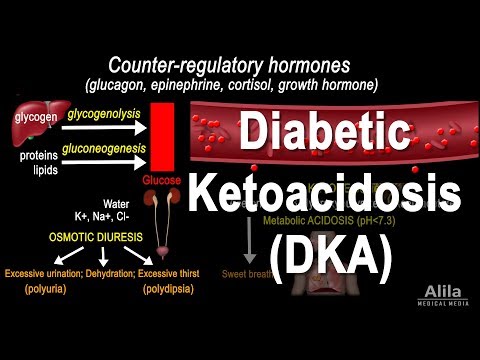
Diabetic Ketoacidosis, or DKA, is something that can sound pretty intimidating. It’s a serious complication of diabetes that can arise when your body doesn’t have enough insulin. Basically, when you’re low on insulin, your body starts breaking down fats for fuel instead of glucose. This process creates ketones, which are acids that build up in your blood. If they get too high, it leads to DKA.
Now, let’s get into the nitty-gritty of how DKA connects to altered mental status. You see, when the ketone levels rise, it can mess with your brain in a big way. Our brains need glucose to function properly. So when glucose levels are off due to lack of insulin and high ketone levels, it can lead to confusion or changes in consciousness.
Think about this: When someone goes into DKA, they might be breathing rapidly or have an unusual pattern in their breathing called Kussmaul respirations. This is like your body’s own way of trying to fix the problem by blowing off CO2 to balance out the acidity from those pesky ketones. But this isn’t just a physical response; it also impacts mental health.
Here are some important connections between DKA and altered mental status:
- Acidosis: The buildup of acids changes the pH level in your blood. A higher acid level can lead to confusion or even loss of consciousness.
- Dehydration: DKA often causes fluid loss due to excessive urination and vomiting. Dehydration affects brain function and cognition.
- Electrolyte Imbalance: When you’re dealing with DKA, electrolytes like sodium and potassium get out of whack. These minerals are crucial for brain health.
- Oxygen Supply: With altered breathing patterns and respiratory issues, oxygen delivery drops—all impacting mental clarity.
So imagine someone who has diabetes and suddenly becomes very confused or lethargic during a DKA episode; it isn’t just «in their head.» Their body is literally reacting to a life-threatening situation! It’s scary stuff!
In clinical settings, healthcare providers keep an eye on these symptoms closely because recognizing them early can save lives. They’ll monitor fluids carefully and might give insulin immediately to bring those ketone levels back down.
Ultimately, understanding this connection is crucial for both individuals living with diabetes and their loved ones—knowing what signs to look out for could mean the difference between getting help fast or facing serious consequences down the road.
It’s empowering (and important) to be aware of these things if you or someone you know is managing diabetes daily!
Understanding the 3 P’s of Diabetic Ketoacidosis: Key Insights for Better Mental Health Management
Understanding diabetic ketoacidosis (DKA) can be a bit overwhelming, but it’s super important, especially if you or someone you know is managing diabetes. The three P’s of DKA—**Polydipsia**, **Polyuria**, and **Polyphagia**—play a big role in this condition and can also affect mental health. Let’s break them down.
Polydipsia is that intense thirst you feel when your body isn’t getting enough insulin. It’s like your body is sending out an SOS for water because it’s trying to flush out all that extra sugar in your blood. You might think, «Okay, I’ll just drink more water,» but it’s not just about hydration. That constant thirst can lead to feelings of frustration and anxiety, you know? It can make it hard to focus on anything else when you’re just so thirsty all the time.
Then there’s Polyuria, which means you’re peeing a lot! Your kidneys are working overtime to get rid of excess glucose through urine. But here’s the thing: this frequent urination can disrupt your routine, leading to embarrassment or stress if you’re out in public or at work. It’s exhausting being stuck in the bathroom all the time! And that constant worry about needing to go can create more anxiety, adding another layer to how you’re feeling mentally.
Now onto Polyphagia. This one means you’re hungry all the time even if you’ve just eaten. Your body’s not using insulin properly, so cells aren’t getting the energy they need which leads to that ravenous feeling. Imagine grabbing a snack every hour because nothing seems satisfying! This constant cycle of hunger can impact your mood and self-esteem too, making it hard not to feel defeated when you’re trying to eat healthy but never feel full.
So, what does this mean for mental health? Well, the way these physical symptoms connect with your emotions is huge. If you’re dealing with DKA symptoms regularly, your stress levels may spike, leading to feelings of anxiety or depression over time. It’s like this vicious cycle—you deal with one symptom and then another pops up affecting how you feel overall.
You know that moment when everything feels like too much? That could be tied back into these three P’s smacking against each other in an endless loop of discomfort and unease.
In terms of breathing patterns, they can also give some clues into how you’re feeling emotionally during episodes of DKA. If you’re breathing rapidly due to stress or panic over your symptoms, it’s something worth noting. Breathwork might actually help calm those racing thoughts or feelings during tough times.
Managing DKA isn’t just about solving those physical symptoms; it’s about keeping an eye on how they mess with your brain space too. So keep open lines of communication with medical professionals about not only what’s happening physically but how it’s weighing on you mentally as well.
Taking care of yourself means recognizing these cues—both physical and emotional—and addressing them head-on rather than letting them spiral out of control. Because let me tell ya… managing diabetes is already tough enough without adding mental health struggles into the mix!
Understanding DKA: The Impact of Respiratory Acidosis and Alkalosis on Mental Health
Understanding DKA, or Diabetic Ketoacidosis, is super important. It can seriously affect your body and mental well-being. So let’s break things down a bit.
When someone experiences DKA, it usually means their body isn’t getting enough insulin. This can lead to high blood sugar levels and the production of ketones. These ketones can make your blood acidic—a situation known as respiratory acidosis. Now, respiratory acidosis happens when there’s too much carbon dioxide in the blood because you aren’t breathing properly. It’s like your body is gasping for air but can’t quite get enough.
On the flip side, there’s respiratory alkalosis, which occurs when you breathe too fast and blow off too much carbon dioxide. When this happens, it can create an imbalance in your body chemistry that might leave you feeling lightheaded or anxious.
So how do these breathing issues tie into mental health? Well, when your blood pH gets out of whack due to either acidosis or alkalosis, it doesn’t just mess with your physical state; it can seriously impact your mood and cognitive functioning too.
Think about a time when you felt really stressed out—like right before a big presentation or an exam. You might have noticed that you were breathing quickly or feeling dizzy. That’s basically what these conditions do on a larger scale!
Key impacts on mental health include:
- Increased Anxiety: Whether it’s from feeling short of breath or just the general stress of being unwell.
- Cognitive Dysfunction: You may find it harder to think clearly or concentrate.
- Mood Changes: Fluctuations in mood are common—one moment you’re up; the next, you’re feeling down.
These effects from respiratory problems can make someone feel overwhelmed during an episode of DKA. Imagine dealing with both physical symptoms and worrying thoughts—yeah, that’s rough!
It’s also worth noting that if you’re someone who deals with anxiety or depression regularly, DKA can amplify those feelings. Basically, it’s like adding fuel to an already flickering fire.
After recovering from DKA, people might still experience some lingering effects on their mental state. This could look like fatigue or brain fog as they adjust back to normalcy.
But here’s the thing: awareness is key! If you’re ever in this situation—or if someone close to you is—you should definitely talk about how these physical changes affect emotions and thoughts. It really helps to have someone support you through any ups and downs.
So yeah, understanding the link between breathing patterns, DIA, and our mental health isn’t just about recognizing symptoms; it’s about knowing how interconnected our bodies really are! And don’t forget—it’s always a good idea to reach out for help if you’re not feeling yourself after something like this. You’ve got options out there!
Breathing. It’s something we all do without thinking, right? But when it comes to our mental health, the way we breathe can actually have a huge impact. So, okay, let’s chat about breathing patterns and how they tie in with something called DKA—or Diabetic Ketoacidosis, which is a condition you might not usually link to mental health.
Picture this: You’re feeling overwhelmed or anxious—your heart races and your breath feels shallow. This is pretty common when stress kicks in, you know? On the flip side, someone experiencing DKA might also struggle with their breathing patterns. Their body gets thrown into chaos because of high blood sugar levels and ketones building up. It’s like a storm inside them.
Now think about it: when your body’s going through something like DKA, you’re not just dealing with physical symptoms. There’s also this emotional whirlpool happening underneath. Feelings of confusion or fear can pop up pretty easily. Someone I know went through this whole thing. One minute they were fine, and the next they were feeling completely lost and scared because of the effects DKA had on them—like their mind was running a mile a minute, but their body was stuck in slow motion.
It’s interesting how breathing exercises can step in as lifelines in both situations—stress-induced anxiety or a medical crisis like DKA. Taking deep breaths can ground you and help ease that panicky state of mind. When you focus on inhaling deeply and exhaling slowly, it actually signals your brain that it’s time to chill out a bit.
So yeah, connecting proper breathing techniques to mental health isn’t just airy-fairy stuff; it’s real! It’s about finding those moments where you can regain control over your mind and body amidst all the chaos life throws at us—especially during tough times like dealing with DKA.
In short? Your breath matters more than you think. It’s kind of amazing how something so simple can help steer your mental state back into calmer waters whether you’re feeling stressed out or facing something more serious like DKA struggles. And really, being aware of it all creates an opportunity to take charge of your overall well-being.