Alright, so let’s chat about something that’s been buzzing around a lot lately—dopamine reuptake inhibitors. Sounds a bit science-y, right? But the thing is, they play a pretty cool role in mental health.
You know that feeling when you’re super excited or really happy? That rush is dopamine at work. It’s like the brain’s little party starter! But sometimes, things don’t sit right. You might feel down or anxious for no clear reason. That’s where these medications step in—kinda like throwing out a lifeline.
They help balance things out when your brain’s feeling off-kilter. And the truth is, understanding them can be really eye-opening for anyone dealing with mental health stuff. So let’s break it down together!
The Impact of Dopamine on Mental Health: Understanding Its Role and Importance
Dopamine is one of those brain chemicals that gets a lot of attention when we talk about mental health. And honestly, it deserves it! It’s often dubbed the “feel-good” neurotransmitter because it plays a major role in how we feel pleasure, motivation, and reward. When dopamine levels are in balance, you might feel energized and happy. But when there’s a problem, things can start to feel pretty off.
So what happens when dopamine is low? Well, you might experience symptoms like lack of motivation or even depression. It’s like your brain has hit the snooze button and just won’t wake up. Seriously, imagine trying to get through your day feeling like your goals are just out of reach or everything is a chore. Not fun at all!
On the flip side, having too much dopamine can also lead to issues—think anxiety or even hallucinations in some cases. That’s why balance is key! Your brain needs just the right amount to keep things running smoothly.
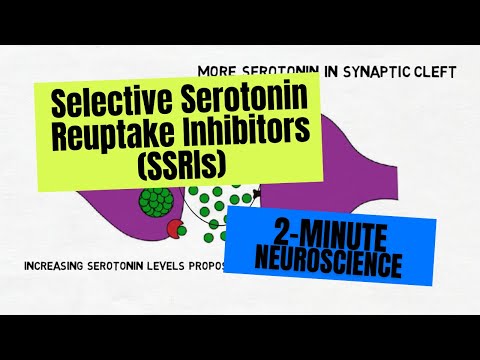
Now let’s dive into dopamine reuptake inhibitors (DRIs). These medications basically work by blocking the reabsorption—or reuptake—of dopamine in your brain. This means that more dopamine stays available for your neurons to use. It can be super helpful for folks dealing with conditions like depression or ADHD because it helps boost levels of this important neurotransmitter.
DRIs can have a big impact on mental health. For instance:
- Improving mood: When you have more accessible dopamine, you might find yourself feeling happier and more motivated.
- Boosting focus: If you’re struggling with attention issues, these meds can help clear up some of that mental fog.
- Reducing cravings: In addiction treatment, keeping those dopamine levels balanced helps manage cravings for substances.
You know someone who went through this? I had a friend who was really down for ages and tried various treatments with no luck until they got on DRIs. It was like flipping a switch! Suddenly they were engaging with life again—out with friends, tackling projects at work—just so much more vibrant.
Still, it’s not all rainbows and butterflies when it comes to taking these meds. They can come with side effects like nausea or insomnia, so it’s crucial to work closely with a healthcare provider on finding what’s right for you.
In summary, dopamine is essential for our mental well-being. Whether it’s fueling our happiness or helping us focus, it truly matters in so many ways. Understanding how medications like DRIs impact this system can make all the difference in getting us back on track when life feels overwhelming.
Understanding Dopamine Reuptake Inhibitors: How They Impact Mental Health and Mood
Dopamine reuptake inhibitors (DRIs) are a class of medications that focus on the brain’s dopamine system. So, what’s dopamine, anyway? Simply put, it’s a neurotransmitter that plays a huge role in mood regulation, pleasure, and motivation. Think of it as that little cheerleader in your brain telling you to go out and grab life by the horns.
When we talk about DRIs, we’re usually looking at how they work to elevate your mood or help with mental health issues. These medications block the reabsorption (or “reuptake”) of dopamine back into neurons. This means more dopamine gets to hang out in the spaces between neurons, leading to increased signaling and potential boosts in mood and motivation. Pretty cool, huh?
But let’s dive into how DRIs impact mental health. They have been used to treat conditions like depression, ADHD, and even some anxiety disorders. By keeping dopamine levels balanced in your brain, they can help make you feel more engaged with life. For example, if you’re battling depression and everything feels dull or gray, a DRI might spark that color back into your world.
Still not sure? Picture this: Imagine being at a party where everyone is standing around just staring at their phones instead of having fun. Now imagine someone comes and turns on some great music. Suddenly people start dancing and chatting! That’s kind of what DRIs do for your brain—they crank up the volume on dopamine so you start feeling excited about things again.
However—and this is important—like any medication, DRIs aren’t without their quirks or side effects. Some folks might experience insomnia or increased anxiety when starting them. Others might struggle with appetite changes or even agitation—so it’s really key to work closely with a doctor for good monitoring.
Overall understanding how DRIs impact mental health involves recognizing both their benefits and potential side effects. If you’re considering going down this route or know someone who is using them:
- Remember they may take time to kick in; patience is crucial.
- Monitor mood changes closely; journaling can help track shifts.
- Always talk with a healthcare provider about any concerns.
So yeah, while DRIs can be effective tools for managing mental health issues—don’t forget: they’re just one part of the larger picture! Lifestyle changes like exercise and talking things out through therapy can also work wonders alongside these meds.
Exploring the Effects of Dopamine Reuptake Inhibition on Mental Health
When we talk about dopamine reuptake inhibition, we’re diving into how certain medications can affect your mental health. So, what’s dopamine anyway? Well, it’s that feel-good chemical in your brain, you know? It plays a major role in how we feel pleasure and motivation. Think of it like a little messenger sending signals that make you feel happy or energized.
Dopamine reuptake inhibitors (DRIs) work by blocking the reabsorption of dopamine back into the neurons. Essentially, they keep more of that happy chemical floating around in your brain. This can lead to a boost in mood and motivation for some people.
Effects on Depression: Many folks dealing with depression find relief through DRIs. It’s like having more access to your brain’s natural pick-me-up. For example, if someone is feeling really low and unmotivated, a DRI might help lift their spirits by allowing more dopamine to circulate.
However, not everyone will have the same response. Some might feel anxious or jittery after starting these meds. It’s kind of like when you drink way too much coffee—you get that wired feeling instead of the calm boost you were hoping for.
Anxiety Disorders: Interestingly, while some anxiety can be eased with DRIs due to increased dopamine levels, others could find their symptoms getting worse. Imagine someone who already feels restless; adding more dopamine could turn that restlessness into full-blown anxiety attacks.
Sometimes, it’s also about finding the right dose. Too little might not do much at all, while too much can throw everything out of whack. It’s a balancing act and requires careful monitoring by a healthcare professional.
Long-term Effects: The long-term effects are still being studied. Some researchers worry that over-reliance on DRIs could lead to changes in how our brains naturally produce and manage dopamine over time—almost like teaching your brain to rely on external sources instead of producing its own happiness.
In terms of addiction potential, there are concerns as well. If you’re artificially boosting those feel-good feelings frequently through medication without addressing underlying issues or learning coping strategies, you may find yourself needing higher doses or switching meds as your body gets used to them.
Conclusion: Dopamine reuptake inhibition plays a complex role in mental health treatment. While it can offer significant benefits for some people—especially those struggling with depression—it’s not a one-size-fits-all solution. You might respond differently from someone else based on various factors like genetics, existing conditions, and even lifestyle choices.
That said, talking openly with a healthcare provider is key here! They’ll help navigate what works best for you—because understanding how these chemicals affect us is super important for finding real relief and support in our mental health journeys.
You know, when we talk about dopamine, it’s like peeling an onion. There are so many layers to it. Dopamine is that little chemical in your brain that, simply put, makes you feel good. It’s not just about pleasure though; it plays a role in movement, motivation, and even how you feel when you achieve something.
So, dopamine reuptake inhibitors? They’re these medications designed to keep dopamine hanging around a bit longer in the brain. Imagine throwing a party and wanting to keep the music playing. Instead of letting dopamine leave the party too soon, these meds give it a reason to stick around and keep the vibe going.
I remember my friend Sarah went through a rough patch with depression. She felt numb most days—like nothing could lift her spirits. The doc suggested trying one of these dopamine reuptake inhibitors. At first, she was skeptical: “Will this really help?” But after some time on them, she noticed changes—a sprinkle of motivation returned and things that used to bring her joy started resonating again. It wasn’t magic overnight but more like a gradual sunrise after a long night.
But here’s the catch: they aren’t for everyone and don’t work for all types of issues. Sometimes people can experience side effects or not respond well at all. And finding that right balance can feel like walking a tightrope—it takes time and patience.
Ultimately, these meds play their part in mental health by enhancing our ability to experience life more fully. So if you think about it, they’re kind of like adding a little color back into what used to be just black-and-white—you know? It’s all part of the journey toward feeling better and figuring out what works best for you.