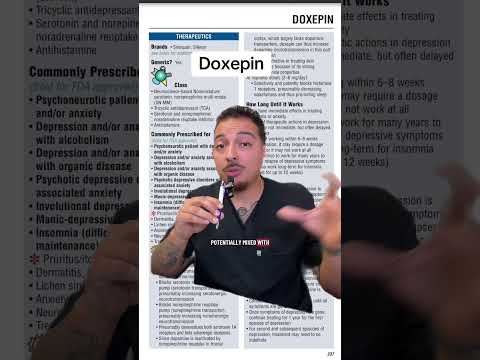
So, have you ever heard of Doxepin? It’s this medication that’s been around for a while, but a lot of people don’t really know what it’s all about.
You might be wondering what it even treats. Well, it’s used for a bunch of things related to mental health—like depression and anxiety. But there’s more to it than just that!
I remember chatting with a friend who was struggling with insomnia. She tried everything, but nothing worked until her doc suggested Doxepin. Suddenly, she was actually sleeping!
Crazy how one little pill can change things up like that, right? So if you’re curious about how Doxepin fits into the whole mental health picture, let’s dig in!
Exploring Doxepin: Uses and Benefits for Mental Health Treatment
Doxepin is a medication that’s been around for quite a while and is used primarily to help with mental health issues. It comes from a class of drugs called tricyclic antidepressants. Pretty fancy name, huh? But basically, what it does is help balance certain chemicals in the brain, which can make a big difference in how you feel.
So, one of the main uses of doxepin is for treating **depression**. When someone’s feeling really low for an extended period, doxepin can help lift that fog. It works by increasing levels of neurotransmitters, like serotonin and norepinephrine. These are like the little messengers in your brain that have a lot to do with mood.
But wait, there’s more! Doxepin isn’t just about tackling depression. It’s also used for **anxiety disorders**. If you’re feeling constantly on edge or worrying too much, this medication can help calm those racing thoughts and make things feel more manageable.
And here’s something interesting: doxepin is also prescribed for **insomnia**. Yeah, you read that right. Its sedative properties means it can help people who just can’t seem to catch those Z’s at night. Imagine finally being able to drift off after tossing and turning for hours—that’s what doxepin could offer.
Some key points about Doxepin:
- It targets depression by balancing brain chemicals.
- It helps with anxiety by easing overwhelming thoughts.
- It can provide relief from insomnia due to its calming effects.
Now, let’s talk side effects because it’s not all sunshine and rainbows with medications. Some folks might experience drowsiness or dry mouth initially—like waking up from a long nap and feeling parched! Others might find themselves dealing with weight gain or occasional constipation. You know how it goes; every body reacts differently.
Starting on doxepin might make you feel sleepy at first, so it’s usually recommended to take it before bed if you’re using it as a sleep aid. That way, you’re not groggy during your day-to-day activities—who wants that?
Also worth noting is how it’s important to work closely with your doctor when starting or stopping this medication. You don’t wanna mess around with dosage without guidance because sometimes tapering off slowly makes all the difference.
Doxepin’s benefits extend beyond just treating specific conditions—it can improve overall quality of life by helping individuals regain control over their feelings and sleep patterns again.
All this said, always have an open dialogue with your healthcare provider about what you’re experiencing while on doxepin or any other meds—communication is key!
Understanding Doxepin Dosage for Treating Depression: A Comprehensive Guide
Doxepin is a medication that falls under the category of tricyclic antidepressants. It’s often used to treat depression and anxiety, and it can also help with sleep issues. Many people may be prescribed doxepin 50mg for its effectiveness, but understanding the right dosage is really important.
When starting doxepin, your doctor will typically begin you at a lower dose. This helps your body get used to it without overwhelming side effects. The usual starting dose for depression might be around 25mg to 50mg at bedtime, depending on how you’re feeling and what your healthcare provider thinks is best for you.
As you get used to it, the doctor might adjust the dosage. They could increase it gradually to a maximum dose of 300mg per day, if they feel it’s necessary. But not everyone will need that much! The idea is to find what works for you while keeping an eye on any side effects.
It’s also essential to take doxepin at the same time each day. You want your body to have a consistent level of medication in your system. And don’t just stop taking it suddenly; you really need to consult with your doctor first since that can lead to withdrawal symptoms or worsening mood.
You might experience some side effects like any other medication. Some common ones are dry mouth, drowsiness, or dizziness. If those become bothersome or seem severe, reach out to your doc; they may need to change up your dosage or try something different altogether.
Also, always keep in mind that individual responses vary. What works wonders for one person could be less effective for another. It’s all about finding that sweet spot where the benefits outweigh any downsides.
In summary, when considering doxepin dosages:
- Starting Dose: Typically between 25mg – 50mg.
- Maximum Dose: Up to 300mg.
- Treatment Consistency: Take daily at the same time.
- Monitor Side Effects: Inform your doctor if they occur.
So yeah, talk with your healthcare provider about any concerns and set clear expectations from the start! Communication is key in getting this right for yourself or a loved one. And remember: mental health treatment is often a journey filled with adjustments—don’t hesitate to ask questions along the way!
Understanding Doxepin: Is It an Antipsychotic Medication?
When diving into the world of medications, you might come across doxepin. It’s one of those pills that can make you scratch your head and think, «Wait, what is this for again?» So let’s break it down together, alright?
First off, doxepin is not classified as an antipsychotic medication. It actually belongs to a group of drugs called tricyclic antidepressants (TCAs). These are mainly used to treat depression and anxiety. But hold on! That’s not all it does. Doxepin has some other tricks up its sleeve too.
You see, this medication is often prescribed for insomnia because it can help you fall asleep faster and stay asleep longer. If you’ve ever had one of those nights where sleep just won’t come—well, maybe doxepin could help in that area. Imagine lying awake, staring at the ceiling while your mind races; it’s exhausting! Doxepin aims to knock that insomnia out of the park.
- The primary use is for depression and anxiety.
- Doxepin can also tackle chronic pain disorders.
- And let’s not forget those nights—it’s handy for sleep issues too!
Now here’s something interesting: even though doxepin isn’t an antipsychotic, sometimes doctors prescribe it for people who have both depression and psychotic symptoms. It might help manage mood while other treatments take care of the psychosis part. You follow me? It’s like a team effort in your brain!
If you’re considering doxepin or if you’ve been prescribed it, keep an eye out for side effects. Common ones can include drowsiness—you know, which might be great if you’re using it for sleep—but could be a drag if you’re trying to stay awake during the day. Some folks also report dry mouth or constipation; ugh! Not fun!
So if you’re thinking about using doxepin or have more questions swirling in your head about how it all works with mental health treatment options: don’t hesitate to chat with a medical professional. They can guide you through what might work best for your situation.
To sum this up: Doxepin is not an antipsychotic but rather a TCA that’s got its own important role in treating certain mental health conditions and sleep problems. It’s all about finding what fits right for you! And remember: everyone reacts differently to medications.
So, let’s chat about Doxepin. You might have heard of it, especially if you’ve been dealing with issues like depression or anxiety. It’s an old-school antidepressant, but don’t let its age fool you. It’s still kicking around and has some interesting uses, especially when it comes to mental health treatment.
I remember when a friend of mine was really struggling with sleep issues related to her anxiety. She felt like she was living in this fog of exhaustion, and every evening turned into a battle just to fall asleep. Somebody suggested Doxepin to her—it’s got this cool side bonus where it can help with insomnia too. After a bit of back and forth with her doc, she gave it a shot.
Now, here’s the thing about Doxepin—it works by balancing certain chemicals in your brain like serotonin and norepinephrine which helps lift mood but also calms those racing thoughts that keep you up at night. Basically, it can be a real game-changer for some people.
When my friend started taking Doxepin, she wasn’t sure what to expect. But soon enough, she noticed that she could actually relax at night without that crippling anxiety swirling around in her head. And as the weeks went on, her mood improved too! She described feeling more present during the day—not just surviving but actually living.
That dual action is what makes Doxepin so handy for folks battling both depression and sleep disorders. But hey! Like all medications, it’s not a one-size-fits-all deal. Some people might experience side effects or not feel much change at all. Still, for my friend? It was like someone flipped a switch inside her; she finally felt like herself again.
It’s wild how something as simple as a pill can affect your entire quality of life—your sleep patterns, your mood—all those little things we often take for granted until they’re gone or wobbly. Just remember though: if you’re considering Doxepin or any medication really, it’s important to have that convo with your doc about what’s right for you.
In the end, while medications can definitely help pave the way towards feeling better mentally and emotionally, they’re often just one piece of the puzzle alongside therapy and lifestyle changes—like exercise and good ol’ self-care practices we sometimes forget in our busy lives. So if you’re wandering through that maze of finding what works best for you? Be patient with yourself; it takes time sometimes!