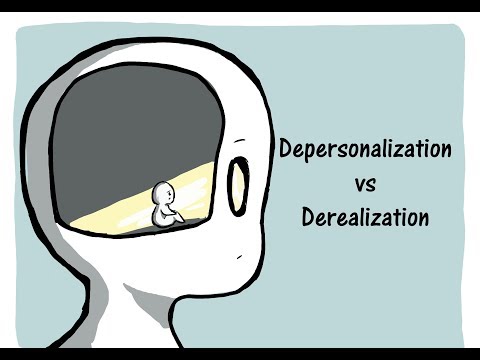
You know that feeling when you’re just… not quite there? Like, you’re watching your life play out from the sidelines? Yeah, that’s what depersonalization and derealization are all about.
It can be super weird, right? One minute you’re hanging out with friends, and the next, you feel like a ghost in your own body. Or maybe the world around you just looks all foggy and distant, like it’s not real.
Honestly, a lot of folks get hit with this stuff at some point. It’s often tied to anxiety or stress—like your mind’s way of saying, «Whoa, this is too much!» But here’s the thing: figuring out why it happens can be a real eye-opener.
So let’s break down what’s going on in that head of yours when everything feels a bit off. It might just help you make sense of it all—or at least feel less alone in it.
Understanding Derealization: The Psychological Mechanisms Behind This Disturbing Experience
Derealization is one of those experiences that can feel really unsettling, like you’re watching your life through a foggy window. It’s that strange feeling when things around you seem unreal or distorted, leaving you questioning if what you see and hear is actually happening. Seriously, it’s no fun at all!
So, what causes derealization? Well, it often links back to stress or trauma. You might feel this way when you’re overwhelmed by anxiety or during a panic attack. Your mind, trying to cope with the intense feelings or situations, creates a sort of emotional safety net. It’s like your brain’s way of saying, “Hey! This is too much; let’s take a step back!”
Psychological factors play a big role here. Here are some key points to consider:
Now picture this: let’s say you’re at a crowded concert but suddenly feel disconnected from the music and the people around you. Instead of enjoying the moment, everything feels distant and unreal—like you’re in a movie instead of living your life.
Another thing to know? Derealization doesn’t mean you’re losing touch with reality in a permanent way; it’s more like an emotional glitch. You’re still aware that things are off; it’s just hard to fully engage with them.
Interestingly enough, depersonalizationoften goes hand-in-hand with derealization. While derealization makes the world feel weird and un real, depersonalization is about feeling detached from yourself—like you’re watching yourself from outside your body. It can be super confusing when both happen together!
Lastly, if you find yourself experiencing these feelings frequently—or they cause significant distress—then it might be helpful to chat with someone about it. Therapies like cognitive-behavioral therapy (CBT) can help ground you again and work through those underlying psychological issues.
In short? Derealization can shake up how we experience life but understanding its triggers and mechanisms might just help reclaim that sense of reality!
Understanding DPDR: The Types of Trauma That Trigger Depersonalization and Derealization
Depersonalization and Derealization, often grouped under the term DPDR, can feel like a strange, surreal experience. Imagine looking at yourself in the mirror and feeling like you’re watching a movie instead of seeing your reflection. It’s uncomfortable and confusing, right? This can be triggered by various forms of trauma or overwhelming stress.
So let’s get into the types of trauma that might lead to this feeling.
1. Childhood Trauma: If you faced abuse or neglect as a kid, it can mess with how you see yourself. You might disconnect as a way to cope with those hard feelings. For instance, think about someone who grew up in a chaotic home; they might start to feel like life is just happening to them instead of being an active participant.
2. Emotional Abuse: This is sneaky but impactful. Constant belittling or controlling by someone important can create a sense of worthlessness. When you don’t feel real or valued, depersonalization can kick in as a defense mechanism—like putting up walls around your emotions.
3. Trauma from Accidents or Natural Disasters: Imagine surviving a car crash or losing everything in a flood. The shock from such events may cause your mind to disconnect from reality as it struggles to process what happened. It’s almost like your brain is saying, “Hey, this is too much for me right now!”
4. Combat Experience: Veterans often deal with intense situations that most people can’t imagine—seeing death or experiencing warfare first-hand can lead to DPDR as their minds try to shield them from the horror.
5. Sexual Assault: Survivors may feel detached from themselves during and after the event due to sheer terror and helplessness—it’s like protecting their psyche from deep emotional pain.
Now, you might wonder about how DPDR manifests specifically. People often describe feeling numb, like they’re floating outside their bodies, which makes everything around them seem unreal or foggy—a bit like watching life through thick glass.
It’s important to recognize that although these experiences are overwhelming and devastating, feeling depersonalized or derealized doesn’t mean you’re losing your mind; it’s your brain’s way of handling extreme stress and fear.
Understanding these triggers can help shape more effective treatments too! Therapies focusing on grounding techniques aim to reconnect individuals with their bodies and surroundings, helping them regain a sense of safety in their own skin again.
In short, while DPDR isn’t pleasant at all, knowing its roots in trauma offers insight into why it happens—and that insight is an essential step toward healing!
Understanding the Neurological Effects of Depersonalization: Insights into Mental Health
Depersonalization can feel like a wild ride, you know? It’s that unsettling experience where you feel disconnected from yourself or your surroundings, almost like you’re watching your life unfold in a movie. And it’s not just in your head; the brain plays a big role in this phenomenon.
When you’re experiencing **depersonalization**, it usually comes with **derealization**. This is when the world around you feels unreal or distorted. Your senses can be affected, making everything seem blurry or flat, as if you’re seeing through a foggy window. Stress and trauma often trigger these feelings, and it’s your brain’s way of coping with overwhelming experiences.
Now, let’s break down what’s happening neurologically. When someone goes through intense stress or anxiety, the brain releases a flood of chemicals—think adrenaline and cortisol. These hormones are part of our fight-or-flight response. But if this reaction goes on for too long, it can mess with how we perceive reality.
- Altered Brain Function: Studies show that areas in the brain responsible for self-awareness and perception may become less active during episodes of depersonalization.
- Emotional Disconnect: The emotional part of your brain might not sync up properly with what you’re thinking; that’s why someone can feel sad but not connected to that sadness.
- Memory Issues: Some people report gaps in memory or feel like they’re watching their memories rather than actually recalling them. This is tied to how the brain processes experiences under stress.
Let me tell you about my friend Sarah. One day, during a particularly stressful period at work, she suddenly felt like she was floating above herself during a meeting. Everything seemed distant and strange. She thought she was losing her mind! But it turned out that her body was just reacting to her stress levels.
What’s interesting is that while depersonalization feels alarming, many people experience it at some point in their lives—like during moments of extreme anxiety or after traumatic events—and it often passes on its own.
So here’s the deal: understanding depersonalization helps demystify those weird sensations and feelings. It reminds us that our brains are doing what they think is best to protect us from pain—even when it doesn’t make sense at the time.
If you’re feeling this way more frequently than you’d like or if it’s interfering with daily life, chatting with a mental health professional can help bring back some clarity and connection to reality again!
Imagine you’re sitting in a crowded cafe, sipping on your favorite drink. People are laughing, chatting, and living their lives around you. But somehow, it feels like you’re watching it all through a foggy window. You can see everything, but it’s like you’re not really there; this is kind of what depersonalization and derealization feel like.
So what are these experiences? Well, depersonalization is that weird sensation of feeling disconnected from yourself—like you’re observing your thoughts and actions from some sort of distance. Derealization, on the other hand, is when the world around you feels unreal or distorted. It’s a bit like being in a dream where everything is just slightly off-kilter.
Now, there are some psychological factors that might come into play here. Stress and anxiety can definitely crank up those feelings of detachment. For instance, think about a time when you’ve been super overwhelmed—a big exam or a break-up maybe? Your brain might kick into survival mode, making you feel detached as a way to cope with all that pressure.
Trauma also plays a big role. If someone has lived through something really traumatic—like abuse or an accident—their brain sometimes decides to «check out,» so to speak. It’s almost like hitting the pause button to protect itself from emotional pain. I remember chatting with a friend who’d gone through something heavy; she mentioned feeling completely separate from her body during certain flashbacks. That was her mind’s way of shielding her from reliving those moments.
And then there’s sensory overload—it can trigger these experiences too! When life gets too loud or chaotic, it’s not uncommon for people to shut down as a defense mechanism.
In essence, depersonalization and derealization can be your mind’s clever yet exhausting way of handling stress or trauma while trying to keep things together. It’s baffling and isolating when it happens; you’re there but not really “there.” Understanding these psychological factors helps clarify why it happens… though knowing that doesn’t always make it easier to handle when they sneak up on you!