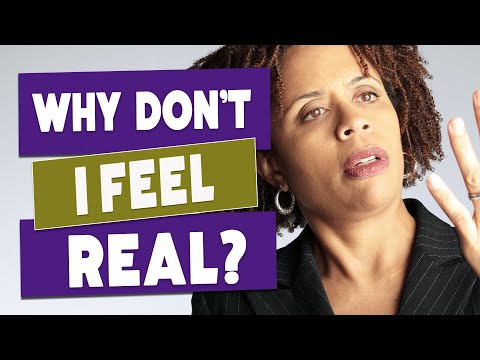
So, let’s talk about DPDR. You might be scratching your head, wondering what that even means. It stands for depersonalization-derealization disorder, and yeah, it sounds intense. But hang on—it’s not as scary as it seems!
Picture this: you’re watching a super familiar movie. But suddenly, everything feels off. Like you’re separated from your own thoughts or surroundings. Sounds trippy, right?
Well, that’s kinda what DPDR is all about. It’s like your brain playing tricks on you. And trust me, you’re not alone if you’ve felt this way before. So let’s dig into what it means and how it fits into the bigger picture of mental health!
Effective Strategies to Overcome Depersonalization and Derealization (DPDR)
Depersonalization and derealization (DPDR) can be super disorienting. You might feel like you’re watching your life from outside your body or that everything around you isn’t real. It’s like living in a dream. Understanding how to cope with these feelings is really important for better mental health.
Grounding Techniques are often one of the first recommendations. These help you reconnect with reality and your body. Simple actions like touching a textured object, listening to calming sounds, or focusing on your breathing can pull you back into the present moment. Imagine holding a smooth stone in your palm while taking slow, deep breaths. It sounds simple, but it works!
Another strategy is mindfulness practices. Mindfulness helps you stay aware of what’s happening right now rather than getting lost in those weird feelings of detachment. You could try meditation, where you focus on your breath or even just walking outside and paying attention to the sights and sounds around you—like birds chirping or the wind brushing against your skin.
Cognitive Behavioral Therapy (CBT) is another powerful tool for tackling DPDR. This type of therapy focuses on changing negative thought patterns that might be contributing to those feelings. A therapist can guide you through reframing how you think about those experiences. Instead of seeing them as scary or confusing, they might help you see them as just temporary sensations.
Also, consider engaging in physical activity. Exercise releases endorphins and helps to bring you back into your body—like after a good run when you’re just breathing heavy and feeling alive! It doesn’t have to be intense; even stretching or yoga can help reconnect your mind with your physical self.
Sometimes it helps to talk about what you’re going through with someone who gets it—a trusted friend or therapist can be super helpful. Sharing can lighten the load; knowing you’re not alone makes these experiences feel less isolating.
Lastly, keeping a journal could be really beneficial. Documenting moments when DPDR hits can provide insight into triggers and patterns that might be helpful later on. Writing down what you’re feeling at that moment also serves as an outlet for all those swirling thoughts—you know, like letting the steam off a pressure cooker.
Basically, depersonalization and derealization don’t define who you are or mean something is fundamentally wrong with you. They’re intense experiences but also manageable with the right approach! Remember, everyone’s journey is different—what works for one person may not work for another—but there are definitely ways to find relief and control over these sensations!
Understanding DPDR: How Depersonalization and Derealization Impact the Brain
So, let’s talk about something that can feel really strange: depersonalization and derealization, often lumped together as DPDR. If you’ve ever felt like you’re watching your life from outside your body or as if everything around you is a bit foggy and unreal, you might be experiencing this.
Depersonalization is when you feel disconnected from yourself. Imagine you’re in a mirror, but the person looking back at you doesn’t quite feel like you. You might notice your own voice sounds different or your emotions seem muted. It’s, like, super disconcerting.
On the flip side, we have derealization. This is more about your surroundings feeling unreal. Picture walking down a street where everything looks familiar but somehow off—like it’s all part of a dream or movie set. That’s what derealization feels like.
How Does It Happen?
The brain is a complex machine. When you’re under extreme stress or anxiety, certain areas in your brain kick into high gear. These areas are involved in how we process emotions and reality. Think of it as your brain’s way of protecting itself from overwhelming situations by creating this sense of distance.
However, not everyone who experiences stress goes through DPDR. It often ties back to trauma or anxiety disorders; for example:
What’s Really Happening in the Brain?
In terms of science—don’t zone out on me here—the anterior cingulate cortex and the prefrontal cortex are two key players here. The anterior cingulate cortex helps regulate emotions while the prefrontal cortex deals with decision-making and self-awareness.
When these areas aren’t functioning properly due to stress or trauma, they can lead to those feelings of disconnect associated with DPDR. So basically, when things get too intense emotionally, these brain parts can hit pause on reality for protection.
The Emotional Side
It’s important to realize that living with DPDR can be isolating and confusing. Imagine sitting at a party surrounded by friends yet feeling utterly alone because everything seems off. That emotional weight can build up over time if not addressed.
Some people describe it as feeling stuck between reality and a dreamscape—seriously unsettling! With therapy or counseling, many who’ve experienced DPDR find ways to reconnect with themselves and their environment.
Coping Mechanisms and Treatment Options
Managing symptoms is totally doable! Here are some common things folks find helpful:
With patience and the right support network, people dealing with DPDR often discover that they can reclaim their sense of self over time.
In short, understanding DPDR sheds light on how our brains respond to extreme stressors by temporarily altering our perception of ourselves and our reality. It might be unsettling—and trust me; I get that—but with help and coping strategies, there’s always hope for improvement!
Understanding DPDR: A Comprehensive Guide to Explaining Depersonalization and Derealization
Let’s chat about something that can be pretty confusing: Depersonalization and Derealization, or as some folks call it, DPDR. It sounds all fancy, but really, it’s just about feeling disconnected from yourself or the world around you. You know that feeling when everything seems unreal, like you’re in a dream? That’s it! It can feel super weird and scary.
So what exactly is depersonalization? Imagine you’re watching your life like a movie. You might feel like you’re not really there—like you’re just an observer. People often report feeling detached from their own body or thoughts. For instance, maybe you look in the mirror and don’t quite recognize yourself. It’s unsettling, to say the least.
On the flip side, we have derealization. This one’s more about the outside world. Think of it as everything around you suddenly seems strange or foggy. Maybe familiar places start to feel unfamiliar, almost like they’re part of a dream or a video game. It can be frightening when your surroundings start to lose their usual sense of reality.
The tricky part? DPDR often happens together, which can make things even more complicated. So when someone talks about DPDR, they’re usually referring to both experiences—feeling disconnected from yourself and feeling like your surroundings aren’t real.
What causes this? Well, that’s where it gets a bit complicated because there isn’t one clear answer. Stress plays a huge role; think about times of extreme anxiety or overwhelming trauma. Some people may experience this after going through something really tough—a breakup, loss of a loved one, or even just high-pressure situations.
Interestingly enough, some folks dealing with mental health issues like depression or anxiety are more likely to experience DPDR too. It’s kind of like your mind’s way of coping with stress: shutting down parts of itself when things get too intense.
Treatment isn’t one-size-fits-all. Therapy is often really helpful here! Many people find that talking things through with a therapist makes all the difference. You might try cognitive-behavioral therapy, which works on changing negative thinking patterns and behaviors, helping you reconnect with yourself and the world again.
Sometimes medications are used alongside therapy if feelings become too overwhelming or unmanageable. But remember—it’s super important to talk to a mental health professional who can guide you through the best options for your situation.
If you’re wondering how common this stuff is, don’t worry—you’re not alone! A lot of people have these feelings at some point in their lives; it doesn’t mean there’s something wrong with you. They come and go for many folks—especially during stressful seasons.
If you ever find yourself experiencing these feelings consistently though, reaching out for help is key! Seriously—it’s never too late to talk it out with someone who gets it.
At the end of the day, understanding DPDR is about realizing it’s okay not to feel okay sometimes. Emotions can be all over the place! But remember: help is out there if you ever need it!
So, let’s talk about DPDR. You might’ve heard this term thrown around a bit. It stands for “depersonalization-derealization disorder,” and it’s one of those things that can really mess with your head, you know? It’s like you’re there, but you’re not really there. You feel disconnected from yourself or your surroundings. Imagine looking in a mirror and not recognizing the person staring back at you—that’s kind of what it’s like.
I remember a friend of mine once described it perfectly. He said it felt like he was watching his life through a blurry window. Everything was happening, but it was as if he were in a movie—like he wasn’t fully participating, just an observer. That feeling can be super unsettling and confusing because most of us don’t get what’s happening when we suddenly feel that way.
Now, the causes can vary a lot. Sometimes it’s triggered by intense stress or trauma—like after losing someone close or going through something really tough. Other times, it just pops up out of nowhere for no reason at all! Crazy, right? And then there’s the struggle to explain it to others. People often think you’re being dramatic or just zoning out when in reality, you’re grappling with something much deeper.
In psychology, DPDR sits under the umbrella of dissociative disorders, which are all about how we deal with overwhelming stress. It can seriously affect everyday life—making simple things like work or hanging out with friends feel like running through molasses.
Treatment is usually centered on therapy—talking about feelings and learning grounding techniques to help pull you back into reality when those feelings come creeping in again. Sometimes medication is on the table too, but that’s more specific depending on what else is going on in your life.
The important thing here is that if you ever find yourself experiencing these feelings or know someone who does, just know that you’re not alone and help is out there! It might sound funny saying this about something pretty heavy-duty like DPDR, but acknowledging it can be the first step towards feeling more connected again—like re-entering your own life after being away for far too long!