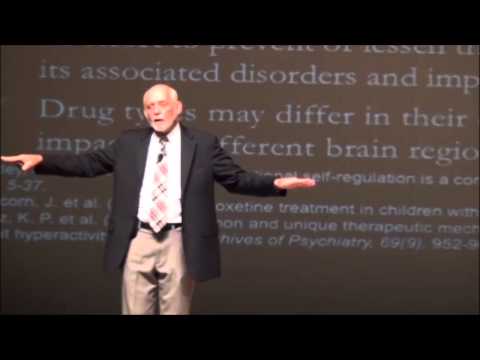
So, let’s talk ADHD. You know, that thing where your brain feels like it’s juggling a million thoughts at once? Yeah, that.
Dr. Barkley has a pretty unique take on how to tackle it. His approach? Well, it’s not your typical run-of-the-mill stuff.
He digs deep into understanding what ADHD really is and how it shows up in everyday life. The way he explains things is refreshing—like sitting down with a friend who just gets it.
We’re gonna dive into some insights from his work that could change how you or someone you care about looks at ADHD. Excited? I am!
Understanding the Barkley Method: A Comprehensive Guide to ADHD Management
The Barkley Method is all about understanding and managing Attention Deficit Hyperactivity Disorder (ADHD) in a way that really connects with how people think and behave. Developed by Dr. Russell Barkley, this approach emphasizes the importance of addressing not just symptoms, but also the underlying issues that come with ADHD. It’s like putting on a pair of glasses to see things more clearly.
Basically, Dr. Barkley’s method is centered around four main areas that are crucial for effective ADHD management:
- Executive Functioning: This refers to mental processes that help you plan, focus attention, remember instructions, and juggle tasks effectively. Think of it as the brain’s command center. Someone with ADHD often struggles here.
- Self-Regulation: People with ADHD can find it tough to manage emotions and reactions. This method teaches skills for self-control, which can help improve interactions with others.
- Time Management: Keeping track of time may seem easy for some, but if you have ADHD? Not so much! The Barkley Method offers strategies to help you stay on top of schedules and deadlines.
- The Role of Environment: Your surroundings play a big role in managing ADHD symptoms. The method emphasizes structuring environments to reduce distractions and promote success.
Now let’s break this down a bit more. When we talk about **Executive Functioning**, it’s kind of like trying to assemble furniture without instructions. You might have the pieces—you might even have an idea in your head—but getting them together can be a total hassle if it all feels overwhelming or chaotic. You know what I mean?
Next up is **Self-Regulation**—which speaks to how you handle emotions and reactions. Imagine being at a family dinner where someone just keeps interrupting you while you’re sharing something personal; someone with ADHD might react impulsively or get frustrated faster than someone else would.
Then there’s **Time Management**: Let’s say you’re late for an appointment because you lost track of time while scrolling through your phone… again! It happens, right? Learning techniques for managing time can save a lot of stress and anxiety later on.
And finally, let’s discuss **The Role of Environment**. Think about working in a cluttered space versus a tidy one—your ability to focus can change dramatically based on where you are! Creating an organized environment tailored to person’s needs can make daily tasks less daunting.
In practice, implementing the Barkley Method often involves both parents and children working together—especially if it’s kids who have ADHD. For parents, learning these strategies isn’t just about managing their child—it helps create understanding between them as well.
So overall, this approach is not just focused on medication or therapy alone; it recognizes that real-life challenges need practical solutions tailored specifically for those living with ADHD every day.
Assessing Dr. Russell Barkley’s Credibility in ADHD Research and Mental Health
When you hear the name Dr. Russell Barkley, it’s hard not to think of ADHD. He’s like a big deal in the field of attention deficit hyperactivity disorder research, so let’s break down his credibility and insights about ADHD treatment.
First off, Dr. Barkley has been in the game for a long time. With over 40 years of clinical experience and research under his belt, he’s published numerous books and articles on ADHD. This guy knows his stuff! His work focuses not just on diagnosing ADHD but also on practical strategies for treatment and management.
One big point he emphasizes is the **executive function** aspect of ADHD. You know how sometimes your brain feels like it’s juggling too many balls at once? That’s basically what executive functions are about – planning, organizing, remembering things, and controlling impulses. Dr. Barkley believes that ADHD isn’t just about being hyper or distracted; it hits hard on those executive functions too.
His approach to treatment is quite interesting. He advocates for a combination of behavioral interventions and medication when necessary. For example, he talks a lot about the importance of creating structure in daily life. This might mean using calendars or reminders to keep organized—a lifeline for many folks struggling with attention issues.
Now, let’s touch on some criticisms because every solid researcher probably faces a bit of controversy now and then. Some people argue that his views can be narrow at times, leaning more towards medication than alternative therapies This has stirred up debates among professionals who prefer more holistic approaches or different models of understanding ADHD symptoms.
But despite those critiques, you can’t deny that reliable research backs up much of his work—like how he highlights the importance of early diagnosis and intervention in improving outcomes for kids with ADHD.
Another key point is that Dr. Barkley often discusses the **long-term outcomes** associated with untreated ADHD—like increased risks for depression or anxiety down the road. It really drives home how crucial it is to take these symptoms seriously from an early age.
So when you consider assessing Dr. Barkley’s credibility in this space, think about these factors:
- Extensive Experience: Over 40 years in research and clinical practice.
- Focus on Executive Functions: Understanding how those functions impact daily life.
- Treatment Approach: Advocates combining behavioral strategies with medication if needed.
- Long-Term Outcomes: Highlights risks tied to untreated ADHD.
In summary, whether you agree with every single aspect of his work or not doesn’t change the fact that Dr. Russell Barkley stands as a significant figure in understanding ADHD today His insights continue influencing both clinical practices and conversations around mental health treatment strategies.
Understanding ADHD: Insights from Russell Barkley’s Research and Theories
ADHD, or Attention-Deficit/Hyperactivity Disorder, is one of those terms you hear thrown around a lot. But what does it really mean? Well, it’s a complex condition that affects how we focus, control impulses, and manage time. Russell Barkley, a leading expert in the field, has some pretty insightful ideas about it.
One of Barkley’s core beliefs is that ADHD isn’t just about being hyper or unfocused. He points out that it’s more about issues with self-regulation—like planning and organizing our actions to reach goals. This means folks with ADHD might struggle to stay on track not just in school or work but also in daily life activities.
Barkley’s research emphasizes executive functions, which are the mental processes that help us plan, focus attention, remember instructions, and juggle multiple tasks successfully. When these functions aren’t working well for someone with ADHD, it can feel chaotic—like their brain is a TV stuck on a channel that’s constantly changing.
When it comes to treatment approaches based on Barkley’s theories, he suggests a mix of strategies that includes both behavioral therapies and medication. It’s not just about popping pills; understanding how to manage symptoms effectively is crucial. For instance:
- Behavioral Strategies: These can include creating structured routines or using visual reminders to help stay organized.
- Parent Training: This helps parents learn effective ways to support their child with ADHD at home.
- Skill-Building Therapies: Teaching coping skills can make a huge difference in managing everyday challenges.
An interesting aspect of Barkley’s work focuses on the idea of time management. A lot of folks with ADHD struggle with this because they might have trouble understanding how long tasks will take or prioritizing what needs doing first. He emphasizes helping people break down tasks into smaller chunks so they don’t feel overwhelmed.
Speaking from personal experience—a friend of mine has ADHD and often talks about how he feels like he’s fighting against his brain. He once told me about trying to sit down for homework but getting distracted every five minutes by his phone or even by random thoughts popping up in his head! It was frustrating for him because he wanted to focus but felt like he had no control over his wandering mind.
Barkley also raises awareness about the importance of early diagnosis and intervention. The sooner someone gets support—whether it’s through therapy or other forms—the better their chances for learning those crucial skills needed to navigate life more smoothly.
In summary, understanding ADHD through Russell Barkley’s lens reveals a lot about how this condition operates beyond the usual stereotypes. By focusing on self-regulation issues and executive function deficits, we get a clearer picture of the challenges faced—and also potential solutions that can lead to real improvements in quality of life for those affected by ADHD.
So, let’s chat a bit about Dr. Barkley and his approach to ADHD treatment. Honestly, he really brings a lot to the table when it comes to understanding how ADHD works in real life, not just in textbooks. You know? It’s all about making sense of those crazy quirks that come with living with ADHD.
One thing that really stands out is how he emphasizes the importance of executive functions. Ever felt like your brain is a cluttered desk? You know, papers everywhere and no clear plan? That’s kind of what it’s like for folks with ADHD. And Dr. Barkley dives right into that chaos, helping people understand why they struggle with things like staying organized or following through on tasks.
I remember this one friend, let’s call her Sarah. She always had big ideas but would lose track halfway through—like starting to clean her room but ending up watching cat videos instead! Dr. Barkley would totally get her struggle because it’s not just about being lazy or disorganized; it’s about those executive function challenges he talks about.
He really encourages treatments that aren’t just about medication—although sometimes meds can help too! But he focuses on strategies that suit each individual’s needs, like skills training and behavioral interventions. It’s like giving someone tools for their own mini toolbox rather than trying to fit everyone into the same mold.
Another thing that strikes me is his understanding of emotional dysregulation, which is often tied into ADHD but doesn’t get enough attention. Have you ever seen someone blow up over something small? It often feels disproportionate, right? That emotional rollercoaster can be pretty intense and understanding it is essential for better management.
But here’s where it gets interesting: he highlights the importance of support systems—from family to schools—to create an environment where someone with ADHD can thrive. It takes a village! Those little adjustments from loved ones can make such a difference in everyday life.
In short, Dr. Barkley gives us some real insights into not just managing ADHD but embracing it as part of who you are. And I think that’s a refreshing perspective—acknowledging the struggles while also celebrating the unique qualities that come along with them. Because honestly, we could all use a little more understanding and compassion in this world, don’t you think?