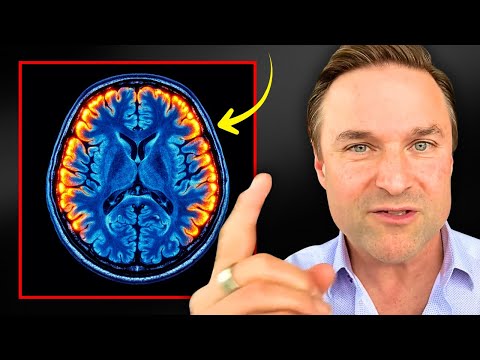
Brain fog. Ugh, right?
That frustrating cloud that just won’t lift, making everything feel sluggish. You know the feeling—like you’re wading through molasses, struggling to focus or remember the simplest things. It’s annoying!
Well, I recently stumbled upon Dr. Berg’s approach to tackling this pesky problem. His insights really hit home for me.
And if you’ve ever felt like your brain is stuck in neutral, you might want to stick around for this!
Let’s chat about how to clear that fog and get your mind back in gear.
Recognizing Brain Fog: 4 Key Warning Signs You Shouldn’t Ignore
Sometimes, you wake up feeling like your brain is wrapped in cotton. That hazy, fuzzy feeling? Yup, that’s what people refer to as brain fog. It can feel like you’re walking through a mental mist—things just aren’t clicking right. So let’s break down this whole brain fog situation and look at those warning signs you shouldn’t ignore.
1. Difficulty Concentrating
One day you’re reading a book for fun, and the next you can’t even focus on a simple email. Maybe you’re in a meeting, and suddenly it feels like everyone’s speaking another language. You try to pay attention, but your mind just keeps wandering off to who knows where! That can be super frustrating, right? If this happens often, it might be time to pay closer attention.
2. Memory Lapses
Ever walked into a room only to forget what you were looking for? Or maybe you’ve misremembered something pretty basic, like where you left your keys? Sometimes these moments are harmless. But if they start happening frequently, it could signal something deeper going on in your brain. It’s not just annoying; it’s concerning.
3. Mental Fatigue
You know those days when it feels like you’ve run a marathon—except all you’ve done is stare at your computer screen? If simple tasks drain your energy faster than usual, that’s worth noting too! Feeling mentally exhausted all the time is not normal and could indicate that something’s off with how your brain is functioning.
4. Mood Swings or Irritability
Have friends or family members pointed out that you’re more snappy than usual? Maybe you’ve been feeling anxious or down for no clear reason? Changes in mood can often accompany brain fog because when our brains are struggling to process information clearly, it’s easy to become overwhelmed and irritable.
You see these signs popping up more often than you’d like? It’s important not to shrug them off as just «a phase.» Brain fog can sometimes be linked to various factors: stress levels, sleep quality, diet choices—seriously! Take care of yourself; figuring out what’s causing those foggy days could help brighten things up nicely.
Remember—it’s always okay to ask for help if this kind of stuff becomes a regular theme in your life. Seeking support from professionals who understand these challenges can really make a difference. So don’t sit back; keep an eye on how you’re feeling and take action when needed!
You know that feeling when your brain just feels like it’s wrapped in cotton balls? Like, you’re trying to think, but everything’s a bit hazy? That’s what people call “brain fog,” and it can be super frustrating. Recently, I stumbled across Dr. Berg’s approach to tackling this issue, and honestly, it was kind of a lightbulb moment.
So, Dr. Berg talks about how brain fog can be linked to a bunch of different factors—like diet, sleep, and stress. It really got me thinking about my own habits. I mean, I remember times when I pulled an all-nighter before a big presentation; I was so exhausted the next day that my brain felt like mush. And let me tell you, trying to connect with people or come up with ideas in that state is tough!
According to Dr. Berg, one of the biggest culprits behind brain fog is inflammation in the body and poor nutrition. He suggests looking into your diet—like cutting out sugars and processed foods—and focusing on whole foods instead. Simple stuff like avocados and leafy greens can actually help clear things up. It makes sense if you think about it: what we eat can seriously affect how we feel mentally.
Beyond food choices, he emphasizes the importance of regular sleep patterns and managing stress levels too. Honestly? That hit home for me as well since I’ve always been one to binge-watch shows late at night instead of getting my ZZZs! Just hearing him talk about how quality sleep supports cognitive function really resonated.
But here’s a thought—it’s not just about adjustments in our routines; there’s something more personal going on here too. Brain fog can tie into emotional states as well. I’ve found that times when I’m feeling down or overwhelmed often coincide with my mental clarity slipping away. You know? When you’re anxious or loaded with uncertainty, it becomes tough to focus on even simple tasks.
In short, addressing brain fog isn’t just some quick fix—it’s really these daily choices we make that add up over time. And while Dr. Berg offers great insights into nutrition and lifestyle changes, it’s important to consider our emotional wellbeing too because both play together like pieces of a puzzle.
So if you’ve been battling that cloudy head feeling lately, maybe take a cue from Dr. Berg’s approach: check in on your diet for starters but don’t forget the impact of those late-night Netflix binges or lingering stress from work! Taking small steps could lead you back to clearer thoughts before you know it!