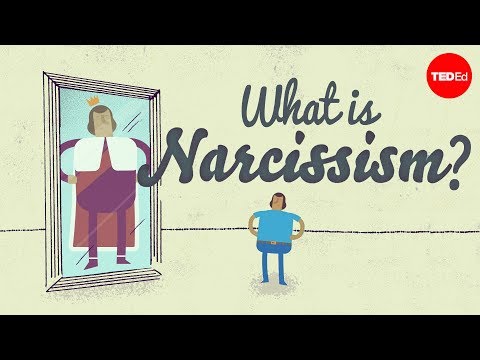
Have you ever met someone who just seems to think the world revolves around them? Seriously, like every conversation becomes a monologue?
That’s a little taste of narcissism. It’s one of those buzzwords we hear all the time, but what does it really mean?
Dr. C has been diving into this whole narcissism thing for ages now. His research lays bare some wild insights that can totally change how we see people and even ourselves.
So let’s take a closer look at what he found. Trust me; it might just blow your mind!
Understanding Narcissism: Insights from Carl Jung’s Psychological Theories
Narcissism is a term that gets thrown around a lot, but what does it really mean? Well, it’s more than just being vain or self-absorbed. It’s actually a complex personality trait with deep roots in psychology. Carl Jung, a major player in the world of psychology, offered some fascinating insights that can help us understand this condition better.
When we think about narcissism, it helps to look at it through the lens of Jung’s theories. He believed that our personalities are formed by both our conscious experiences and our unconscious mind. This duality plays a big role in how narcissistic traits might develop. Basically, if someone has a tough time embracing their own imperfections or vulnerabilities, they might compensate by creating an overly inflated self-image.
Let’s break this down a bit:
Now picture having an acquaintance who constantly seeks attention but seems empty inside. That could be someone acting out their persona while avoiding their shadow self—like they’re trapped in their own show and can’t step off stage.
Another aspect to consider is how these traits affect relationships. Narcissistic folks often struggle with empathy and connection. They might come off as charming at first but can quickly shift to defensiveness when challenged. That’s where Jung’s focus on individuation comes back into play; without addressing internal conflicts, meaningful connections can be tough.
It’s also important to note that not all narcissism looks the same. There are different styles:
Understanding these nuances helps paint a fuller picture of why some people behave the way they do.
So yeah, while Carl Jung didn’t specifically study narcissism as we define it today, his theories give us valuable tools for understanding its complexities. The way he unpacked personality dynamics and encouraged self-reflection can help anyone looking to peel back the layers behind narcissistic behavior—whether it’s in themselves or others.
In short, grappling with narcissism involves navigating through layers of self-deception and defense mechanisms while striving for genuine self-awareness—a journey all about connection with oneself and others!
Narcissism, huh? It’s one of those buzzwords everyone throws around, but what does it really mean? I mean, we all know someone who seems too into themselves, right? It’s like they have a mirror glued to their hand, constantly admiring their reflection. But digging a bit deeper into this personality trait can be pretty eye-opening.
Dr. C’s research on narcissism is super interesting. She breaks it down in ways that make you think about your own relationships and interactions. You know that feeling when someone just can’t seem to focus on anything other than themselves? Dr. C highlights how narcissists often see the world through a pretty skewed lens. It’s like they have this giant filter that magnifies their own needs and desires while completely blocking out anyone else’s feelings or experiences.
I was reminded of a friend I used to hang out with—let’s call her Sarah. Every conversation would somehow loop back to her latest achievement or misadventure. Initially, it was entertaining! But eventually, I found myself feeling drained after hanging out because she never asked me how I was doing or showed genuine interest in my life. That’s part of what Dr. C points out: narcissists often struggle with empathy, which makes meaningful connections really tough.
From Dr. C’s insights, it seems like there are different types of narcissism too—like the overt kind where someone is flaunting their success left and right, and the covert kind where someone might come off as shy but still has that same self-absorbed mindset brewing beneath the surface. It kind of reminded me of those times when Sarah would act all humble while still boasting about her achievements; it’s all part of the game.
It’s wild to think about how prevalent these traits are in our society today—especially with social media making self-promotion so easy! But understanding this stuff can help us set boundaries and look out for ourselves better. Whether it’s dealing with family members who seem self-centered or friends that drain your energy, being aware is half the battle.
So yeah, narcissism isn’t just about being vain; it goes way deeper than that—and Dr. C really shines a light on how these behaviors play out in our lives and relationships. Next time you catch yourself rolling your eyes at someone talking about their latest vacation again (we get it already!), maybe take a minute to think about what’s driving that behavior instead of just writing them off as “selfish.” It might change how you feel about them—or at least help you protect your own peace a little better!