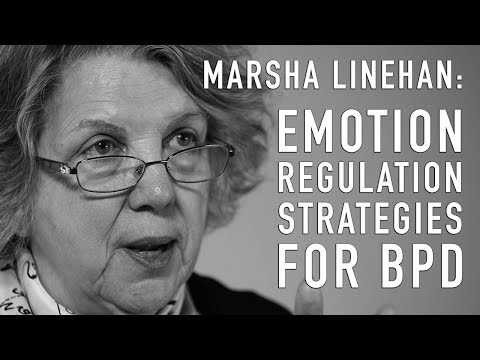
So, you know Dr. Marsha Linehan, right? Well, if you don’t, you’re totally in for a treat.
She’s like this brilliant psychologist who shook up the whole mental health world. Seriously, her work’s changed lives.
Imagine creating an entirely new therapy just because you saw a need for something different. That’s her.
What started as a personal journey led to something called Dialectical Behavior Therapy—or DBT for short. Sounds fancy, huh?
But it’s really all about helping people with intense emotions find balance and hope. Like, isn’t that what we all need sometimes?
Stick around while we dig into how she did it and why it matters today more than ever!
Understanding the Marsha Linehan Theory: A Deep Dive into Dialectical Behavior Therapy
So, let’s chat about Dialectical Behavior Therapy (DBT) and the brilliant mind behind it, Dr. Marsha Linehan. You might have heard of DBT; it’s a big deal in therapy circles. Think of it as a tool for helping folks manage intense emotions and improve their relationships.
First off, Dr. Linehan created DBT back in the 1980s. She was working with individuals who had serious issues like Borderline Personality Disorder. These patients often felt overwhelmed by emotions, which led to self-destructive behaviors. Classically trained therapies didn’t seem to work well with them, so she came up with something new.
The essence of DBT lies in its combination of acceptance and change. It sounds simple, but balancing these two can be tough! Acceptance means understanding and acknowledging your feelings without judgment. Change is about learning new skills to cope better or alter behaviors that don’t serve you well.
- Mindfulness: This is all about being present. Picture yourself eating a piece of chocolate cake—mindfully savoring each bite instead of shoveling it down while distracted by Netflix.
- Distress Tolerance: Sometimes, you can’t immediately fix a problem or flee from pain—this is where distress tolerance comes in handy. It teaches you techniques for getting through tough moments without resorting to harmful habits.
- Emotion Regulation: This skill helps you understand your emotions, control them, and even change your emotional responses when necessary. Imagine feeling overwhelmingly sad one moment but using these skills to find some peace instead.
- Interpersonal Effectiveness: Here’s the thing: managing relationships can be tricky! This skill focuses on how to communicate needs effectively while also keeping respect for others—and yourself.
You might wonder why it’s called “dialectical.” Well, it refers to finding a balance between opposites—acceptance versus change being the main one we talk about. The idea is that these two concepts can coexist, leading to personal growth and healing.
A fun fact? Dr. Linehan herself struggled with mental health issues earlier in her life before becoming a leader in this field! She took her personal experiences and professional knowledge to create something genuinely transformative for many people facing emotional distress.
The therapy involves both individual sessions and group skills training—which really helps reinforce those skills we talked about earlier. Patients get hands-on practice while supporting one another—a sort of community vibe is created around healing!
If you’re looking at therapy options or know someone who might benefit from this kind of approach, it’s worth considering how DBT manages to blend rigorous psychological principles with practical life skills.
The journey isn’t easy—it takes commitment and hard work—but many folks find DBT offers them real tools for living a more balanced life amidst emotional chaos.
The Journey of Marsha Linehan: How She Developed Dialectical Behavior Therapy (DBT)
Marsha Linehan is pretty much a rock star in the mental health world. She created Dialectical Behavior Therapy (DBT), which has changed the game for many people dealing with intense emotions and behaviors. So, what’s the backstory of this amazing woman and her revolutionary therapy? Let’s break it down.
Early Life and Struggles
Marsha had a tough time growing up. She dealt with her own mental health issues, including severe depression and suicidal thoughts. These experiences shaped her understanding of how complex emotions can be. You see, having that lived experience gave her a unique perspective on what folks with mental health challenges really go through.
Academic Journey
After her own struggles, Marsha dove into academics. She earned her PhD in psychology from the University of Washington. It was here that she started to develop theories about emotional dysregulation, which basically means having trouble managing strong feelings.
The Birth of DBT
Linehan became interested in treating people with Borderline Personality Disorder (BPD). BPD often comes with unstable emotions and relationships, plus self-harm tendencies. Marsha realized that traditional therapies weren’t always effective for these individuals. That’s when she started dreaming up DBT.
So, what’s DBT all about? Well—
- Dialectics: This is all about balancing opposites: acceptance and change. You have to accept who you are while also working toward improvement.
- Skills Training: DBT teaches practical skills for emotional regulation, interpersonal effectiveness, distress tolerance, and mindfulness.
- Individual Therapy: Each person gets one-on-one therapy focused on their specific needs.
- Group Skills Training: People learn together in groups, making it feel less lonely.
So yeah, this combo was designed to help folks turn their lives around.
Treatment Outcomes
The impact of DBT has been significant—seriously! Research shows it helps reduce self-harming behaviors and improves emotional regulation among those with BPD. It even enhances overall life satisfaction for many individuals.
A Legacy of Advocacy
Beyond creating a therapy method, Marsha fought for greater awareness around mental health issues. She’s spoken out publicly about stigma, advocating for better treatment options and support systems.
Think about it—you’re not only talking about helping individuals but also shifting societal views on mental health!
Marsha Linehan’s journey reflects resilience and innovation in the face of adversity. By sharing her personal story and insights, she built something powerful like DBT that continues to change lives all over the world. Her legacy reminds us how vital understanding emotions can be in healing processes—both personally and collectively!
Understanding Marsha Linehan: The Pioneer Behind Dialectical Behavior Therapy and Mental Health Innovations
Dr. Marsha Linehan is like a rock star in the world of mental health. Seriously, her contributions have changed how we think about and treat emotional struggles, particularly for those grappling with Borderline Personality Disorder (BPD). She’s the brains behind Dialectical Behavior Therapy (DBT), which has become a lifeline for so many people.
But let’s backtrack a little. Marsha Linehan wasn’t always this highly respected figure. In fact, she had her own battles with mental illness. In her younger days, she faced overwhelming emotions and suicidal thoughts. Can you imagine? It’s wild that someone who struggled so much became a pioneer in helping others through similar pain.
Dialectical Behavior Therapy is not your typical therapy approach; it’s got its roots in multiple areas, like cognitive-behavioral therapy and mindfulness practices. The key word here is “dialectical.” This just means that it strives to balance opposites—like acceptance and change. So if you’re feeling super overwhelmed, DBT helps you accept those feelings but also teaches skills to manage them better.
Now, let’s talk about what DBT actually includes. It’s divided into four main components:
- Mindfulness: Being present in the moment and aware of your thoughts and feelings without judgment.
- Distress Tolerance: Learning ways to cope with pain in difficult situations rather than trying to escape it.
- Emotion Regulation: Understanding your emotions better and learning how to change negative feelings.
- Interpersonal Effectiveness: Building stronger relationships by learning effective communication skills.
Imagine you’re having an argument with a close friend; instead of reacting impulsively, DBT gives tools to express yourself calmly while also respecting their feelings.
Marsha’s work didn’t just stop at developing DBT; she made it accessible too! She created training programs for therapists that help them implement DBT effectively. That means more people can get the help they need from folks who really know what they’re doing.
It’s pretty amazing how Dr. Linehan turned her own pain into something powerful for others. Her story shows us that vulnerability can lead to strength and innovation in mental health care.
So whether you’re someone dealing with serious emotional issues or just curious about mental health treatments, Dr. Marsha Linehan’s influence has shaped therapies that promote healing, compassion, and understanding. And really, isn’t that what we all need?
So, let’s chat about Dr. Marsha Linehan and her big impact on mental health therapy. You’ve probably heard of her work even if you didn’t know it was her. She developed Dialectical Behavior Therapy, or DBT, which has changed the way we understand and treat mental health issues like borderline personality disorder.
I remember talking with a friend once who struggled with intense emotions. She felt like she was on a rollercoaster—up one minute, down the next—and it was exhausting. And honestly, so maddening at times that she thought there might be something deeply wrong with her. But then she discovered DBT, and everything shifted for her. It’s like she found a toolbox with real strategies to manage those wild feelings instead of feeling powerless against them.
What’s wild about Linehan’s journey is that she didn’t just come up with these ideas in a vacuum. She drew from her own experiences as someone who battled mental illness herself. And that kind of authenticity? It makes such a difference! Rather than merely being an observer in the field, she really understood what people were going through.
Now, DBT isn’t just about talk therapy; it combines various techniques including mindfulness, distress tolerance, emotion regulation, and interpersonal effectiveness—it’s pretty holistic when you think about it! You’re not just sitting on a couch having someone nod at you while you spill your guts; you’re actively learning how to cope in real-time situations.
And speaking of mindfulness—let’s talk about that for a sec. It was almost like Dr. Linehan took this ancient practice and gave it a modern twist that’s accessible to everyone struggling today. I mean, how many times have you been so consumed by stress or anxiety that you almost forget how to breathe? Mindfulness teaches us to be present and aware without judgment.
So yeah, Dr. Linehan’s work has made waves across the mental health landscape. There’s this ripple effect where therapists trained in DBT are helping tons of people navigate their emotional storms more effectively than ever before.
It’s pretty amazing how one person’s experience can inspire change for so many others—so if you’re feeling overwhelmed by your feelings or know someone who is? Maybe there’s hope in these newer therapies after all!