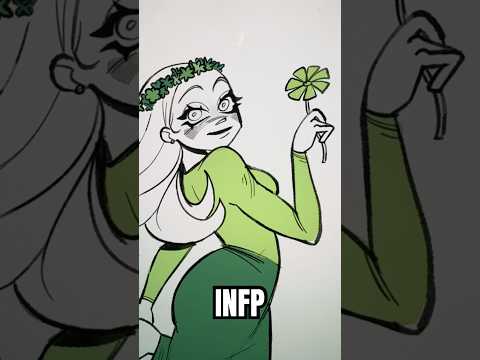
Hey there! Ever thought about what your doodles say about you? Seriously, it’s wild how something so simple can dive deep into your inner world.
Imagine grabbing a pencil and just letting it flow. No rules, no judgment—just you and the page. Pretty cool, right?
This isn’t your typical personality test. It’s more like a fun art session that reveals hidden bits of who you are. You’re gonna love it!
Get ready to explore your quirks and creativity in a way you’ve never done before. Let’s draw out that inner self of yours!
Evaluating the Accuracy of the Draw-A-Person Test in Assessing Mental Health
The Draw-A-Person Test is one of those classic tools in psychology, you know? It’s used to get a peek into someone’s inner world. Basically, the test invites you to draw a person, and then a trained professional analyzes that drawing for clues about your personality or mental state. It’s pretty fascinating how something as simple as a crayon and paper can open up discussions about emotions or experiences.
But let’s chat about the accuracy of this test. First off, it was created way back in the 1920s by a psychologist named Florence Goodenough. Her aim was to measure intellectual development in children, but over time it started being used for assessing mental health too. The thing is, just because it has history doesn’t mean it’s foolproof.
Here are some key points to consider:
Now imagine someone sitting with crayons, pouring their feelings onto the page—like when I once doodled while feeling overwhelmed by life. I ended up sketching this wild monster with big eyes and jagged teeth; it perfectly captured how chaotic my mind felt! In that scenario, my drawing wasn’t just art; it was like therapy.
But here’s the kicker: aspects such as emotional state at the time of drawing or even just mood changes throughout the day can impact what you create. A happy afternoon might lead to bright colors and smiling figures, while a rough morning could yield darker themes. That makes pinning down solid conclusions tricky.
An important takeaway? The Draw-A-Person Test shouldn’t be used alone for diagnosing mental health conditions. It’s more effective when combined with other assessments—like interviews or questionnaires—to build a fuller picture of someone’s psychological well-being.
So in short, this test offers interesting insights but should be approached with caution and an understanding of its limitations. If you’re thinking about using it or have experienced it yourself, knowing both its strengths and weaknesses is key to getting real value out of the process!
Unlocking Emotions: The Meaning Behind Your Therapist’s Tree Drawing Exercise
The tree drawing exercise is a fascinating tool used by therapists to explore your emotions and personality. When you sit down with a piece of paper and some colors, it’s not just about doodling. It’s like digging into your inner self without saying a word!
So, what’s the deal? Well, the tree represents different aspects of your psyche. It can show your growth, stability, and even how you connect with others. Let’s break it down a bit:
- Roots: These can symbolize your foundation in life. They might represent your past—like childhood experiences or family ties. If your roots are deep and strong, it may suggest you feel grounded.
- Trunk: Think of the trunk as your core identity. Its thickness might indicate how secure you feel about yourself. A thick trunk could mean confidence, while a thin one might reflect insecurities.
- Branches: The branches spread out in various directions, representing different aspects of your life—relationships, work, dreams. More branches could mean you’re open to new experiences.
- Leaves: Leaves often signify growth and renewal. Fresh green leaves might suggest you’re feeling positive or hopeful, while brown leaves could hint at challenges or stagnation.
Now imagine sitting there drawing this tree when suddenly memories come flooding back—like that time you climbed a huge tree at summer camp with friends and felt invincible! That memory connects to how secure you feel in relationships today.
This is where the magic really happens! Your therapist will take a look at your drawing and ask questions about the elements you’ve included. Maybe they’ll inquire why the branches are sparse or why the leaves are drooping. This isn’t just casual chat; it digs deep into how you’re feeling inside.
Sometimes people draw trees that stand tall against storms or creaky old ones leaning to one side; both reflect unique emotional states. The conversations around these drawings help both you and your therapist understand underlying feelings that might be hard to express otherwise.
And guess what? This method isn’t just for kids! Adults find it equally revealing because art can break down barriers words can’t reach.
In essence, the tree drawing exercise is more than an art project. It’s an emotional exploration—a visual way to communicate feelings that often get buried in everyday life.
So next time you’re asked to draw something simple like a tree during therapy, remember: it’s not just crayons and scribbles; it’s an opportunity to unlock parts of yourself that need understanding and healing!
Step-by-Step Guide to Creating Your Own Personality Test for Self-Discovery
Creating your own personality test can be a fun and insightful journey into understanding yourself better. It’s like a map leading you to parts of your personality you might not even know exist. Here’s how you can go about it, step by step.
Step 1: Define Your Purpose
First off, think about why you want to create this test. Are you looking to understand your emotional responses? Or maybe see how you interact with others? Whatever it is, having a clear purpose makes the whole process smoother.
Step 2: Choose a Format
Next, decide on the format of your test. You might want multiple-choice questions, true or false statements, or more open-ended prompts. Keep it fun and easy! Let’s say you want to use multiple choice; that could look something like this:
- How do you prefer to spend your weekends?
- A) Relaxing at home
- B) Going out with friends
- C) Trying something new
Step 3: Generate Questions
Now comes the creative part! Think about questions that reflect different facets of your personality. Aim for variety—mix in emotional scenarios, lifestyle choices, or hypothetical situations. A question might be: «If faced with a problem at work, do you…?»
- A) Tackle it head-on
- B) Seek advice from others
- C) Avoid it until it goes away
Step 4: Determine Scoring
You’ll need a way to interpret the answers later on. Maybe assign points for each answer based on what they indicate about your personality type. For example, if A represents being proactive and assertive, give it higher points.
Step 5: Create Personality Profiles
Once you’ve got the scoring down, write up profiles based on different score ranges. These profiles should capture the essence of each type! If someone scores high on proactive answers, they could fall into the «Go-Getter» category:
- The Go-Getter: You thrive on challenges and love taking initiative.
- The Supporter: You’re there for others and value collaboration.
- The Observer: You take your time before acting and prefer thinking things through.
Step 6: Test It Out!
Give your test a whirl! Take it yourself and see if the results resonate with how you feel about yourself. Maybe have friends take it too—it can lead to some great conversations!
Step 7: Revise as Needed
Based on feedback from yourself or others, tweak any questions or profiles that don’t seem quite right. This is all about self-discovery; so don’t hesitate to make changes that feel more accurate.
Creating your own personality test isn’t just an exercise; it’s a cool way to deepen self-awareness and maybe even laugh at some quirky parts of yourself along the way. Who knows what you’ll learn?
You know, the other day, I came across this really interesting idea about drawing your inner self as a sort of personality test. At first, it sounded a bit quirky to me. I mean, drawing? Really? But then I thought, what if it could actually help us tap into parts of ourselves we usually keep locked up tight?
So, I gave it a shot. It was kind of liberating just to let go and doodle without any pressure. I picked up some colored pencils and just started sketching whatever popped into my head. And my goodness, the stuff that came out was surprising! Like, some images represented parts of me that I didn’t know were hiding there.
For instance, there was this big blue wave in my drawing. At first glance, it just looked like an abstract splash of color—but then it hit me. Waves are all about movement and change. They can be powerful but also calming. Reflecting on that made me think about how I deal with change in my life—sometimes rolling with it smoothly and other times crashing down hard.
And the flowers? Oh man! They showed up everywhere in my doodles—each petal representing different emotions and experiences I’ve had over the years. Some petals were vibrant and happy; others felt a little wilted or sad. It reminded me that our personalities are like gardens, right? They aren’t just one thing; they’re a mix of all sorts of blooms.
What really blew my mind was that after finishing my doodle session—sans judgment or critique—I felt lighter somehow. Like I’d taken a peek inside myself and discovered things that needed to see the light of day. Plus, sharing those drawings with friends generated some pretty deep conversations too!
I guess the whole experience reminded me how creative expression can be a tool for self-discovery. Who knew that picking up crayons could lead to such meaningful self-reflection? It’s definitely not your typical personality test—way more impactful in its own messy way! So if you’re curious or looking for an unconventional way to explore yourself, seriously consider giving this drawing thing a shot! You may end up learning something new about yourself too.