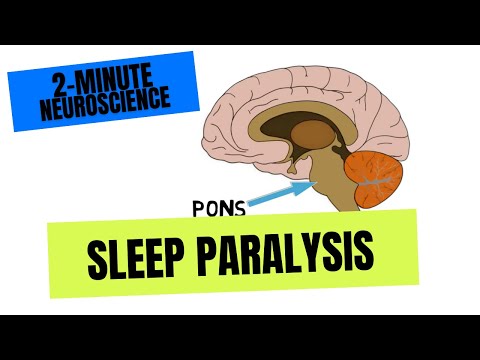
Hey, have you ever woken up but felt totally frozen? Like, you can’t move a muscle, and your heart’s racing like crazy? Yeah, that’s dream paralysis.
It’s super weird and can be downright scary. You’re awake in your bed, but your body just won’t cooperate. And the wildest part? Sometimes you even see or feel things that aren’t really there.
So let’s dig into this strange experience. What’s going on in our brains when this happens? And how do we deal with it when it hits us? Buckle up; it’s gonna be a ride!
Effective Strategies to Overcome Sleep Paralysis: Tips for a Restful Night
Sleep paralysis can be a really unsettling experience, can’t it? You wake up and find yourself unable to move, often feeling a heavy weight on your chest. It can feel like you’re stuck in a nightmare, and that’s not fun at all. But don’t worry; there are ways to tackle it.
First off, let’s chat about sleep hygiene. This is all about creating a sleep-friendly environment and routine. Start by sticking to a consistent sleep schedule. Go to bed and wake up at the same times every day, even on weekends! Your body likes rhythm, you know?
Also, think about your bedroom. Keep it dark, cool, and quiet. If you’re like me and need some noise to sleep, consider using white noise machines or apps. They can be super calming.
Now let’s talk about stress management. High stress levels can trigger episodes of sleep paralysis. So find what helps you unwind: deep breathing exercises, meditation, or maybe some gentle yoga before bed? Seriously, even ten minutes can make a big difference.
Next is the importance of avoiding certain substances—like caffeine and alcohol—before bedtime. Those energizing drinks can mess with your sleep cycle big time! Instead, try herbal teas or just warm milk; it’s old-fashioned but works for many.
Another thing? Sleep positions matter too! Some folks find that sleeping on their back increases the chance of an episode. If that’s you, try switching things up—side sleepers might have fewer issues with paralysis.
Oh! And talking about dreams might sound silly or even embarrassing; still sharing your experiences with someone who understands could ease the anxiety surrounding it. Just saying those feelings out loud takes away some of their power.
If you’re finding these strategies tough to implement on your own or they’re not helping much over time, don’t hesitate to reach out for support from a mental health professional. They can offer tailored advice or therapy options like cognitive behavioral therapy (CBT), which has been effective for many people facing anxiety related to sleep issues.
Remember: you’re not alone in this! Sleep paralysis happens more often than you think—even if it’s super disorienting when it does happen to you specifically! Keep working on these strategies one step at a time for some well-deserved restful nights ahead!
Understanding Sleep Paralysis: Its Impact on Mental Health and Coping Strategies
Sleep paralysis can be a pretty intense experience. You’re, like, lying in bed, wide awake but totally unable to move or speak. It’s that eerie feeling where your mind is racing, but your body feels like it’s stuck in quicksand. Just thinking about it can give you chills, right? The thing is, it’s more common than you might think!
So, what causes this strange phenomenon? Well, sleep paralysis usually happens during the transition between wakefulness and sleep. You might be waking up or falling asleep when it hits. Basically, your brain wakes up before your body does. This means you’re aware of your surroundings but can’t react to them at all.
Now let’s get into how this affects mental health. Many people report feeling really frightened during an episode. That sense of helplessness can lead to anxiety or even depression over time. Imagine having those kinds of experiences regularly—who wouldn’t feel overwhelmed?
Here are some key points about the connection between sleep paralysis and mental health:
- Increased Anxiety: After an episode, some folks start worrying about when the next one will happen.
- Sleep Disorders: Conditions like narcolepsy are linked with higher rates of sleep paralysis.
- Impact on Daily Life: The fear of experiencing sleep paralysis can lead to less restful sleep overall.
- Isolation: Some people feel embarrassed or scared to talk about their experiences.
A friend of mine once shared how he had a terrifying night when he felt a presence in his room while being paralyzed in bed. He woke up gasping for breath and couldn’t shake off that fear for days afterward. He started avoiding going to bed early because he feared it would happen again; that’s how real these feelings can become.
Now if you’re dealing with sleep paralysis or know someone who is, there are definitely ways to cope with it:
- Create a Relaxing Bedtime Routine: Doing calming activities before bed helps in reducing episodes.
- Avoid Sleep Deprivation: Making sure you get enough rest lowers stress on your body.
- Sleep Position Matters: Some studies suggest sleeping on your side rather than your back might help.
- Tackling Anxiety: Techniques such as deep breathing or meditation might ease anxiety related to it.
So yeah, while sleep paralysis can feel surreal and scary—kind of like being caught in a nightmare you can’t escape—it doesn’t have to rule your life. Taking steps to manage stress and improve your sleep hygiene can make a real difference!
So, let’s talk about sleep paralysis, which can be pretty freaky, you know? One minute you’re drifting off into dreamland, and the next, boom! You wake up but can’t move. It’s like your body didn’t get the memo that you’re awake. Pretty unsettling stuff.
I remember the first time it happened to me. I was dead asleep when suddenly I opened my eyes. Everything felt totally normal at first, until I realized I couldn’t move a muscle. My heart started racing like crazy, and I swear I could feel this odd presence in the room. It felt like something out of a horror movie! Fortunately, that experience didn’t last long; after a few seconds—though it felt like forever—I was able to wiggle my fingers and break free. But man, it left me shaken.
Now, what’s going on here? Basically, when we dream during REM sleep (that’s Rapid Eye Movement), our brains are super active while our bodies are kind of offline—thanks to this natural paralysis so we don’t act out our dreams. But sometimes we wake up before that paralysis wears off. Yikes! This can leave you feeling trapped between dreaming and waking states.
Some people have recurring episodes and that can really mess with your head over time. Like if you’re constantly worried about falling asleep because of fear of another episode, that anxiety can impact your daily life big time. You might start avoiding sleep altogether—or worst-case scenario—developing more serious anxiety issues or insomnia.
And let’s not forget those added layers of fear that come with it—the hallucinations some people experience make it even more intense. Imagine seeing shadowy figures or hearing whispers while you just lie there unable to scream for help! Honestly? That sounds terrifying!
But there is hope! Like just knowing what sleep paralysis is helps demystify it a bit; it’s not supernatural or anything scary—it’s just your body acting a little funny during sleep transitions. So if you’ve gone through this weird experience, remind yourself: you’re not alone in this!
Getting into a regular sleep routine can also make a difference—try to establish some calming bedtime habits to help ease your mind and make sure you’re getting enough rest overall. And hey, if it really starts getting in the way of your life or peace of mind? A chat with a therapist who gets all this stuff could be super helpful.
Navigating sleep paralysis isn’t easy, but understanding what’s happening is key—and finding ways to cope makes all the difference in how you feel about crawling back into bed each night!