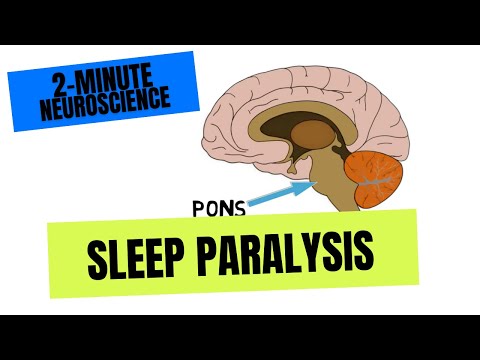
You know those nights when you wake up but can’t move? Yep, that’s sleep paralysis. It’s kind of a freaky experience, right? Like, you’re trapped in your own body, and it feels super real.
Now, what’s wild is how dreams play into all this. Those vivid dreams can be connected to sleep paralysis. It’s like your brain is throwing a party while your body just sits there snoozing away.
So here we are, diving into this strange mix of dreams and sleep paralysis. There’s definitely more to unpack than just spooky tales! Stick around because this stuff’s pretty eye-opening for anyone who’s ever felt stuck between waking and dreaming.
Understanding the Link Between Sleep Paralysis and Childhood Trauma: Insights for Healing
Sleep paralysis can be a pretty unsettling experience. Imagine lying in bed and feeling completely awake, but unable to move or speak. It’s like your body hasn’t gotten the memo that you’re ready to get up! For some people, this bizarre occurrence can be linked back to childhood trauma, shedding light on how our past experiences shape our mental health today.
Alright, let’s break this down a bit. When you go through something traumatic as a kid, it can leave a mark on your psyche. That stress and anxiety doesn’t just vanish when you grow up. Instead, it gets tangled up in your brain’s wiring. Sooner or later, this can manifest in sleep disturbances, like sleep paralysis. The connection isn’t just about feeling nervous; it’s more about how trauma affects your overall stress levels.
So how does this whole thing work? Well, trauma tends to keep your body on high alert even when you should be resting. This state of hyper-vigilance may result in disrupted sleep patterns or difficulty entering deeper stages of sleep. During these phases, the brain is usually doing its most important work—processing emotions and memories. But if those processes are interrupted because of trauma, guess what? You may end up experiencing episodes of sleep paralysis.
Now think about dreams for a second—they’re often seen as a window into our subconscious mind with all its hidden fears and unprocessed emotions. When someone has unresolved issues from childhood, their dreams might reflect that turmoil. Some people report that their dreams feel so real they could touch them! This vivid dreaming combined with fragmented sleep greatly increases the likelihood of hitting those dreaded moments of sleep paralysis.
- The stress response: Childhood trauma often keeps the body in a constant state of fight or flight.
- Dissociation: Some people dissociate during traumatic events; this might bleed into their subconscious during sleep.
- Nightmares: If you’ve experienced intense nightmares stemming from trauma, they could lead to feelings of fear or panic upon waking.
- Overactive mind: The worries produced by trauma can make it hard to drift off peacefully.
Let’s talk healing for a minute because it’s super important! Addressing childhood trauma is crucial for breaking the cycle that leads to sleep disturbances like paralysis. Therapy plays an essential role here—cognitive-behavioral therapy (CBT), EMDR (Eye Movement Desensitization and Reprocessing), and other approaches have shown effectiveness in helping folks deal with their past.
Additionally, improving your overall sleep hygiene can help too! Establishing a bedtime routine aids in signaling your brain that it’s time to wind down and relax instead of hopping on the worry train again.
I remember chatting with someone who’d experienced terrifying bouts of sleep paralysis all their life—each episode felt like suffocation fueled by unprocessed feelings from long ago. They began working through their childhood memories in therapy and slowly noticed improvements not just mentally but also physically; their nights became way less frantic over time.
So remember: understanding the link between childhood trauma and experiences like sleep paralysis isn’t just about knowing why it happens; it’s also about finding ways to heal those deep-rooted wounds so you can get that restful night you deserve! Healing takes time but addressing these issues with compassion toward yourself is key.
Understanding Sleep Paralysis: Its Impact on Mental Health and Coping Strategies
Sleep paralysis can be pretty unsettling, right? You’re lying there, half-awake, feeling trapped in your own body. It’s like your mind is awake, but your body just won’t budge. For some folks, it can last just a few seconds, while for others it might feel like forever.
Now let’s dig into what sleep paralysis actually is. So basically, it’s when you wake up and can’t move or speak. This usually happens during the transition between sleep and wakefulness. Your muscles are still in a state of sleep paralysis—kind of unnerving! It’s often accompanied by vivid hallucinations or a feeling of pressure on your chest that can really make things freaky.
How does this connect with mental health? Well, sleep paralysis is more common in people who have certain mental health conditions like anxiety and depression. The stress and worry about not being able to move can make anxiety even worse. You know how when you’re anxious, sleep feels elusive? That vicious cycle can lead to more episodes of sleep paralysis.
And here’s where dreams come into the mix! Some theories suggest that those crazy dreams we all have might influence sleep paralysis experiences. If you’ve ever had a nightmare where you couldn’t scream or run away, you know how helpless that feels—that’s similar to what happens during an episode of sleep paralysis.
So how do you cope with this? Here are some strategies that might help:
- Improve Sleep Hygiene: Make sure you keep a regular sleeping schedule and create an environment conducive to rest—with comfy pillows and dim lighting.
- Practice Relaxation Techniques: Things like meditation or deep breathing before bed can really calm your mind.
- Avoid Stimulants Before Bed: Seriously—those late-night cups of coffee or sugary snacks can mess with your shut-eye.
- Sit With Your Fears: Sometimes just accepting that these episodes are scary but not dangerous can lessen their impact over time.
I remember talking to a friend who had been struggling with this for years. She described those terrifying moments when she’d wake up unable to scream while feeling an oppressive figure in the corner of her room—super creepy! But once she started addressing her underlying anxiety through therapy and changed up her bedtime routine, things started looking better for her. She still has occasional episodes but now she knows how to ground herself afterward.
In short, understanding sleep paralysis is crucial for tackling its impact on mental health. By improving sleep habits and managing stress levels, it becomes easier to cope with those uncomfortable nights when dreams blur into reality. So if you’re experiencing this, know you’re not alone—and there are ways forward!
Understanding Sleep Paralysis: Can It Be Life-Threatening?
Sleep paralysis can be one of those freaky experiences that leaves you wide-eyed and a bit shaken. You know the feeling: you wake up, but your body feels heavy, like it’s glued to the bed. No matter how hard you try, you just can’t move. Maybe you even see shadows or feel a presence in the room. It’s honestly unsettling.
But let’s tackle this head-on—**is sleep paralysis life-threatening?** The simple answer is no, it’s not life-threatening. It might feel terrifying in the moment, but it won’t kill you. However, that doesn’t mean it should be brushed aside as just a weird quirk of sleep.
What Happens During Sleep Paralysis?
During these episodes, your brain wakes up while your body is still in a sleep state. This is often during REM sleep—the stage when most dreaming happens. And here’s where it gets interesting: your body usually experiences temporary paralysis during REM to prevent you from acting out dreams. But sometimes that paralysis can linger when you’ve technically woken up.
You might experience some vivid hallucinations too, which can make everything feel even more real—and scary! So yeah, it’s not uncommon for people to think they’re in some spooky movie scene or something.
Connection Between Dreams and Sleep Paralysis
There’s a cool link between our dreams and these sleep paralysis episodes. Often, people report having nightmares right before or during an episode. The dreams can have themes of being chased or feeling trapped—feelings that blend smoothly into the paralyzing reality of waking up unable to move.
Even if it sounds a bit out there, stress and anxiety are big players in this scenario too. If life has been throwing curveballs at you lately—like work stress or personal problems—it could spike those chances of experiencing sleep paralysis because your mind isn’t letting go even when it’s bedtime.
Who Experiences Sleep Paralysis?
Surprisingly enough, it’s more common than you’d think! Many people go through this at least once in their lives. Some factors might increase the likelihood:
- Lack of Sleep: Staying up late often? Yeah, that could do it.
- Sleep Disorders: Conditions like narcolepsy can raise your chances.
- Stress and Anxiety: High levels here can make things messier.
- Irregular Sleep Schedule: Not going to bed at consistent times might throw off your rhythm.
If you’re someone who’s had multiple episodes or they start interrupting your life regularly—maybe it’s time to chat with a professional about what’s happening.
No Need to Fear
While those feelings are intense—you’re not alone! A lotta folks share similar experiences, which makes talking about them somewhat comforting—seriously! Understanding that it isn’t harmful allows for more focus on managing stress levels and improving sleep habits instead of fearing another episode.
In summary, while sleep paralysis feels overwhelming and eerie—even downright terrifying—you don’t have to worry about it being life-threatening at all. It’s basically just an odd glitch in how our brain handles waking up from dreamland!
So, let’s talk about dreams and that weird thing called sleep paralysis. You know how you sometimes wake up but can’t move? It’s pretty unsettling, right? Like, you’re fully aware of what’s going on around you, but your body just won’t cooperate. I once had a friend who experienced this after a particularly vivid dream about being chased. She woke up unable to move, feeling this heavy weight on her chest. It freaked her out!
Sleep paralysis is essentially that moment when you’re caught between sleep and wakefulness. Your brain’s awake, but your body hasn’t quite caught up yet. Sometimes during this limbo, people experience hallucinations too—so it’s not just the inability to move; it can feel like something’s in the room with you. Ugh! Talk about adding an extra layer of terror.
Now, here’s where things get interesting: dreams are often tied to our emotional experiences. When we’re stressed or anxious, those feelings tend to seep into our dreams and can sometimes trigger sleep paralysis episodes. It’s like your mind is saying, “Hey! We’ve got some stuff to process!” And if you’re already feeling overwhelmed, waking up in that helpless state definitely doesn’t help.
Honestly, it can be a bit of a double whammy for mental health. Not only does experiencing sleep paralysis mess with your sleep quality—because who wants to deal with that at 3 AM?—but it can also heighten anxiety and fear around sleep itself. You start dreading bedtime because you fear what might happen next.
But here’s the thing: understanding this connection between dreams and sleep paralysis can be empowering. If you recognize what triggers these episodes—maybe stress from work or unresolved emotional issues—you can take steps to address them. Practicing relaxation techniques before bed or talking it out with someone might really help ease the mind.
So yeah, dreaming is super fascinating in how it connects with our mental state. And while sleep paralysis isn’t exactly fun party material, knowing more about it might lessen its hold on us … or at least make those late-night scares a little less scary!