Alright, so let’s chat about the DSM-5 and this 301.81 diagnosis thing. You might be thinking, “What’s that all about?” Well, it’s basically a fancy name for a mental health diagnosis.
But here’s the thing: understanding it can really help you or someone you care about. It’s not just some cold, clinical stuff. There are real people behind these labels, with real feelings and experiences.
So why does it matter? Well, knowing the ins and outs can guide treatment options and how to support loved ones. It’s all connected in this wild web of mental health.
Let’s break it down together. Sound good?
Understanding the Meaning of 301.81: Insights into Mental Health Diagnosis
Okay, so let’s break down what 301.81 means in the DSM-5. This code refers to a diagnosis called “**Obsessive-Compulsive Personality Disorder**” (OCPD). Now, don’t mix this up with Obsessive-Compulsive Disorder (OCD); they’re not the same thing at all.
First off, what is OCPD? Well, it’s a personality disorder where someone has a chronic preoccupation with orderliness, perfectionism, and control. This can really mess with someone’s life and relationships because it makes them super rigid and focused on rules and details. Imagine a friend who can’t let go of planning every single minute of their vacation—like no spontaneity whatsoever! It really takes away from the fun.
So, how do you know if someone has OCPD? There are specific criteria that mental health professionals look at. Here are a few important ones:
- Preoccupation with details: The person might get so caught up in tiny things that they overlook the bigger picture.
- Perfectionism: They often set unrealistically high standards for themselves and others.
- Strict adherence to rules: They can be very inflexible about following rules or schedules.
- Lack of openness: People with OCPD may be resistant to change or new ideas.
It’s not just quirks; it seriously affects how they function day-to-day. And you know, living with or around someone who has these traits can be challenging. For example, if your partner is constantly organizing everything just so, it could lead to arguments about why you didn’t fold the laundry in exactly the right way.
The DSM-5 gives guidelines for diagnosis. A qualified mental health professional will conduct an assessment that includes looking at these behaviors over time and in different situations. You’d have to see signs of OCPD from early adulthood onward—not just some passing phase or temporary stressor.
Now here’s where it gets important: knowing about 301.81 doesn’t just help in identifying the disorder; it also opens up avenues for treatment options. Therapy can really make a difference! Cognitive-behavioral therapy (CBT) is often used here because it helps people recognize those perfectionist thoughts and learn more flexible ways of thinking.
Another interesting piece is how this diagnosis plays into social dynamics—people with OCPD might struggle to maintain personal relationships because their need for control can end up pushing others away. Like say your friend feels you’re messy; they could come off as critical instead of supportive.
And hey, if self-diagnosis comes into play—please remember that’s like trying to diagnose yourself after Googling symptoms! It’s always best to talk to a professional who can really help sort through those feelings and behaviors.
In short, 301.81 represents something that goes deeper than just being uptight—it reflects patterns that impact lives significantly. So understanding OCPD is crucial for both individuals affected by it and those around them navigating these complex dynamics every day.
Understanding Narcissistic Personality Disorder: Key DSM-5 Criteria Explained
Narcissistic Personality Disorder, or NPD for short, is one of those mental health conditions that can really mess with relationships and self-perception. You might have heard the term «narcissist» thrown around casually, but NPD is more than just someone who loves to take selfies or brag about their latest achievements. It’s actually a serious personality disorder defined in the DSM-5.
To meet the criteria for NPD according to DSM-5 (that’s the Diagnostic and Statistical Manual of Mental Disorders), a person needs to display certain traits that affect their thinking and behavior. Here are some **key criteria**:
- Grandiosity: This means having an inflated sense of self-importance. People with NPD often feel like they’re better than everyone else. For example, they might believe their time is more valuable than others’. You know how sometimes people act like their plans are absolutely critical while everyone’s waiting? That’s kind of it.
- Need for admiration: They thrive on attention, compliments, and validation. Think about someone who constantly seeks praise for even mundane tasks. It almost feels exhausting being around them!
- Lack of empathy: This is huge! They struggle to recognize or care about other people’s feelings. Like when a friend shares something vulnerable but the person with NPD just brushes it off or turns it back on themselves? Yeah, that’s a red flag.
- Exaggerated achievements and talents: They might boast about their accomplishments without a shred of humility or truthfulness. For instance, if they went to an average school but act like it was Harvard… you see where I’m going?
- Entitlement: People with NPD often expect special treatment or believe they’re above the rules everyone else follows. Ever met someone who insists they should cut in line because they’re in a rush? That’s entitlement in action.
- Interpersonal issues: Their relationships tend to be one-sided and superficial because they primarily look out for their own interests. You might notice these folks often have conflicts with friends or coworkers because everything revolves around them.
- Arrogance: They can come off as snobbish or condescending toward others. If someone makes you feel like you’re below them just by talking to you? Yeah, that’s arrogance.
Now, all these traits have to be persistent and cause issues in various areas of life—like work, school, or personal relationships—to qualify as NPD.
Imagine having a friend who never acknowledges your wins but only talks about theirs at every get-together. Over time, that can wear you down and make you second-guess yourself.
It’s also important to note that not everyone showing narcissistic traits has this disorder; we all have our moments! But when these behaviors become ingrained into someone’s personality and dominate how they interact with the world around them? That’s when things get serious.
Speaking of serious—if this sounds familiar either from your own experiences or someone else’s—it could be time to reach out for support from a mental health professional who really knows their stuff on personality disorders.
Navigating relationships with someone who may have NPD isn’t easy by any means; it can leave you feeling drained and confused at times. Just remember that understanding these patterns is the first step toward coping with your own emotional well-being amidst all that chaos!
Understanding Narcissistic Personality Disorder: A Comprehensive DSM-5 PDF Guide
Narcissistic Personality Disorder (NPD) can be a tough cookie to crack. If you’ve ever dealt with someone who seems to always make everything about themselves or can’t take a hint when it comes to other people’s feelings, you might be scratching your head wondering what’s going on. So, here’s the lowdown in plain terms.
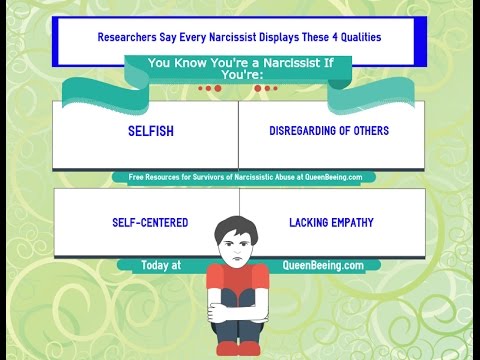
Narcissistic Personality Disorder is one of those fancy-sounding terms in psychology. Basically, it means having an inflated sense of self-importance, a deep need for excessive attention and admiration, and a complete lack of empathy for others. According to the DSM-5, which is the handbook for mental health professionals, NPD can really mess with someone’s ability to maintain healthy relationships.
Here are some key points about NPD:
- Grandiosity: People with NPD often think they are better than everyone else. You know that vibe where someone feels like they’re on top of the world? That’s them – constantly seeking validation and exaggerating their achievements.
- Admiration: They crave attention like it’s air. It’s not just wanting a compliment now and then; they need constant admiration to feel good about themselves.
- Lack of Empathy: This one’s huge. It’s not just that they don’t care; it’s more like they can’t even comprehend how other people feel. You could be sobbing beside them, and they might just change the subject to how great their day was.
- Entitlement: Ever have that friend who acts like rules don’t apply to them? That sense of entitlement is classic NPD behavior. They believe they’re special and deserve things simply because they exist.
- Exploitation: Relationships often become one-sided. Those with NPD might use others for their own gain without even thinking twice about it.
Now let’s talk about how this all fits into everyday life. Imagine you’re at a party with someone who has NPD—this person dominates every conversation. If you try sharing your news or experiences, they quickly steer things back to themselves… again! It’s exhausting.
The DSM-5 lists specific criteria for diagnosing NPD (which is officially labeled as 301.81). It includes patterns of thought and behavior showing at least five traits from our list above during adulthood across different contexts—like work or personal relationships.
Diagnosis isn’t just about ticking boxes; it has implications too! Understanding this disorder helps in many ways:
- Therapeutic Approaches: For those living or working with someone showing these traits, therapy can help manage relationships better.
- Awareness: Knowing more about NPD helps loved ones set boundaries efficiently without feeling guilty.
- Coping Strategies: You learn how to take care of yourself emotionally when dealing with narcissistic behavior.
It can be kind of heartbreaking when you realize someone close might be struggling with this disorder—life gets complicated fast! Seeing through the surface behaviors allows us to understand that underneath all that bravado is often insecurity and fear.
So there you have it—a peek into Narcissistic Personality Disorder that hopefully clears up some confusion and gives you real-world perspective on what living with or alongside someone affected by it looks like!
So, let’s talk about the DSM-5 and that diagnosis 301.81, which is basically a fancy term for Narcissistic Personality Disorder (NPD). Now, you might be thinking, why does this even matter? But honestly, it’s worth unpacking because it really speaks to our understanding of how we relate to ourselves and others.
When I was in college, I had this friend who seemed super charming at first. He always had these grand stories and would just dominate the conversation. Over time, I realized he struggled with empathy—like if you shared something personal, he’d quickly pivot back to his own issues without any acknowledgment of yours. It was a bit disorienting at first, and looking back now, I can see some classic traits of narcissism.
The DSM-5 lays out criteria for diagnosing NPD that help professionals identify individuals who might struggle with insecurity masked by this facade of confidence. The guidelines focus on these patterns: grandiosity, a need for admiration, and a lack of empathy, among others. It’s not just about being self-centered; it’s often rooted in deeper emotional insecurities that are pretty tough to navigate.
Now here’s where it gets sticky: labeling someone with NPD can carry some serious weight. It can lead to stigmas or misunderstandings about what the person is going through. People tend to think that those diagnosed are just self-absorbed jerks without realizing they might be grappling with a lot more beneath the surface—like fear of rejection or abandonment.
What’s interesting is how the DSM-5 has implications beyond just diagnosis; it affects treatment approaches too. Therapists often need to tread lightly when working with someone displaying narcissistic traits because trust can be a huge issue. You can’t just tell them they’re wrong or selfish without triggering defensive reactions.
And well, navigating relationships with someone who has NPD? That’s no walk in the park either! Setting boundaries becomes essential but figuring out how to do it can feel like walking through a minefield sometimes.
Ultimately, having guidelines around diagnoses like this one helps us understand human behavior better but also reminds us that everyone has their struggles—even if they don’t show them on the outside. So next time you’re faced with someone who’s hard to read or seems overly self-involved, maybe take a step back. Recognizing there could be some deeper issues at play might just change your perspective entirely.