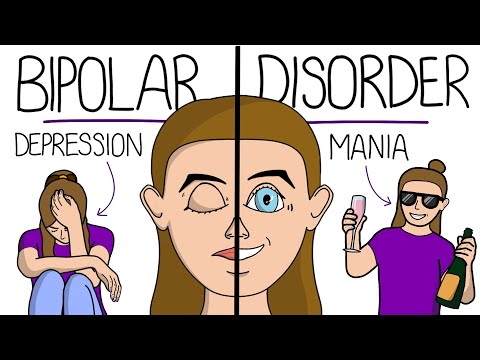
Hey! So, let’s talk about Bipolar 2 Disorder. It’s a big name, right? But it’s not as scary as it sounds. Basically, it’s about those ups and downs we all feel, just taken to another level.
You might know someone who has it or maybe you’re just curious. Either way, understanding the DSM-5 criteria can really help clear things up. You know? Like, what does it actually mean when someone says they have Bipolar 2?
I’m here to break it down for you in a super chill way. No jargon, no complicated terms—just real talk that gets to the heart of the matter. So kick back and let’s dive into this together!
Understanding DSM-5 Bipolar Disorder Criteria: Download Your PDF Guide
Bipolar disorder can be a tough subject to tackle, especially with all the technical jargon flying around. So, let’s break down what you need to know about **Bipolar II disorder** based on the DSM-5 criteria in a way that feels more like a conversation. You’ll see what it’s all about without the fluff.
First up, **what is Bipolar II disorder?** Basically, it’s characterized by mood swings that include episodes of hypomania and major depressive episodes. But don’t confuse hypomania with full-blown mania; they’re not the same thing at all!
Now, let’s get into the specific criteria for diagnosis:
- Hypomanic episodes: To qualify for Bipolar II, you need at least one hypomanic episode. This is a period where you feel really good or overactive for at least four days straight. Maybe you’re super productive or feel invincible during this time.
- Major depressive episodes: You also need to experience at least one major depressive episode lasting two weeks or longer. This isn’t just feeling down; it can include symptoms like fatigue, sleep disturbances, and losing interest in things you once enjoyed.
- No full manic episodes: Here’s the kicker—you can’t have had any full manic episodes. If you’ve experienced those intense highs that last for a week or more and might require hospitalization, then it points to Bipolar I instead.
- Impact on daily life: The mood changes must impact your ability to function normally in daily life—maybe it’s affecting work or relationships.
- Not due to substances: And of course, these symptoms can’t be caused by drugs or other medical conditions.
Understanding these criteria can feel overwhelming. When I first learned about Bipolar II disorder in college, I remember reading about someone who would feel an incredible rush while painting late into the night but then crash into a deep sadness shortly after. It made everything click for me about how unpredictable this condition can be.
So if you’re looking into finding out more details personally or for someone else, asking questions is key! And if you’re interested in a PDF guide that lays out this info clearly—well that might just help keep things organized and accessible.
You see? Understanding these criteria helps in recognizing symptoms better and seeking appropriate help when needed. Whether you’re doing this research for yourself or someone else who’s affected by it, knowledge goes a long way!
Understanding DSM-5 Criteria for Bipolar II Disorder: A Comprehensive Guide
Bipolar II disorder is one of those conditions that can really trip people up if they don’t know what to look for. It’s like this emotional roller coaster, you know? You can have these super high highs and then some really low lows, but not everyone gets the picture right away. So let’s break it down using the DSM-5 criteria, which is basically the official manual that mental health professionals use to diagnose different mental disorders.
First things first, you gotta understand what bipolar disorder, in general, means. It’s about mood swings that are way more intense than what most people experience. For Bipolar II specifically, those mood swings include periods of depression and hypomania.
1. Major Depressive Episodes: To hit the mark for a diagnosis, you have to have had at least one major depressive episode lasting for at least two weeks. Symptoms can vary but usually involve feeling hopeless or sad most of the day and losing interest in things you once loved. Like when my friend Sam went through a tough breakup and just couldn’t shake his sadness; he stopped doing things he enjoyed like playing guitar or hanging out with friends.
2. Hypomanic Episodes: Now here’s where it gets interesting! You also need at least one hypomanic episode lasting for a minimum of four consecutive days. This is like being on top of the world—you’re energetic, more talkative than usual, and your self-esteem sky-rockets. But it’s not as wild as full-blown mania seen in Bipolar I disorder; it doesn’t lead to major problems in life or require hospitalization.
3. Duration and Distress: It’s crucial that these episodes aren’t just random ups and downs but create significant problems in your life—like work or relationships—that last longer than a few days or weeks. If they happen only once or twice a year without causing issues for you or your loved ones, it’s probably not Bipolar II.
4. Exclusion of Other Disorders: This part is important too! Your symptoms shouldn’t be better explained by another condition—like if someone has major depressive disorder without any history of hypomanic episodes, then they wouldn’t fit the Bipolar II diagnosis.
5. Substance Use Consideration: And hey, if drugs or alcohol are involved? Well, sometimes they can mimic bipolar symptoms; so mental health pros will look at whether substance use could be at play first before making a diagnosis.
So yeah, when you put it all together like this—it seems pretty complex! But understanding these criteria helps clarify what people with Bipolar II might be experiencing—and how best to support them through those ups and downs!
In real-world terms? You might see someone feeling fantastic one week—planning big projects at work—and then suddenly withdrawing from social activities the next week because they’re feeling worthless again. Keeping an eye on those patterns makes a huge difference in recognizing bipolar symptoms early on!
Understanding DSM-5: Key Differences Between Bipolar I and Bipolar II Disorders
Bipolar disorder is one of those mental health terms you might hear thrown around a lot, but it can get a bit confusing. We’re talking about two main types here: **Bipolar I** and **Bipolar II**. Both involve mood swings but in different ways. Let’s break it down, shall we?
Bipolar I Disorder is characterized by at least one manic episode. This is when someone feels super high for a week or so—like they could conquer the world. During this time, you might feel invincible, talk rapidly, sleep very little, and engage in risky behaviors. You know that feeling when you’re way too excited about something? Imagine that cranked up to eleven for days on end.
Here’s the kicker: even if you’ve never experienced a major depressive episode, just one manic episode qualifies you for Bipolar I diagnosis. That’s right! A person with this type might also have depressive episodes, but they aren’t required to meet the criteria.
Now let’s look at Bipolar II Disorder. This one’s a bit different. For Bipolar II, you need at least one major depressive episode and at least one hypomanic episode—not full-blown mania, but still pretty elevated mood and energy levels that last for at least four days.
In hypomania, you might be more productive or creative than usual, but it doesn’t typically cause the same level of impairment as mania does in Bipolar I. Think of it as being on your A-game: you’re doing great work or socializing like a champ! But there’s this underlying sense that something’s not quite right.
Here are some key differences between the two:
- Mania vs Hypomania: In Bipolar I, there are full-blown manic episodes; in Bipolar II, only hypomanic ones.
- Duration: Manic episodes have to last for at least seven days; hypomanic episodes just need to be four days.
- Depressive Episodes: Required for Bipolar II and not necessarily for Bipolar I.
- Impacts on Daily Life: The mania in Bipolar I often disrupts your life significantly; with Bipolar II, even though you’re depressed sometimes, your overall functioning can be more stable during hypomania.
So what does that mean in real life? Imagine someone with **Bipolar I** who suddenly decides to spend all their savings on an extravagant vacation during their manic phase—definitely life-altering choices. In contrast, think of someone with **Bipolar II**, who might write a brilliant novel while feeling excited during their hypomanic phase but later struggles deeply with depression afterward.
By understanding these distinctions more clearly—you’ll see how crucial it is for treatment options too! Each type has its specific challenges and requires different approaches—what works wonders for one may not do much for the other.
Navigating bipolar disorders can be tricky territory; hopefully now you’ve got a clearer picture of what makes each type unique!
Alright, so let’s chat about Bipolar 2 Disorder for a minute. It’s definitely one of those topics that can sound super clinical, but it’s really just about understanding how some people experience emotions, right? And when we’re talking DSM-5 criteria, think of it as the way mental health pros try to make sense of these experiences.
Okay, picture this: you’re having a normal day, everything’s going well. But suddenly, you hit this feeling of intense happiness or energy—like you could take on the world! That’s called hypomania in the Bipolar 2 world. It feels amazing at first. You’re talking faster than usual, maybe you had a million ideas buzzing around your head. But… what happens after that?
In Bipolar 2, these high-energy moments are usually followed by depressive episodes that can feel pretty heavy, like a dark cloud hanging over your head. So the mood swings aren’t just high; they go low too. The DSM-5 outlines specific criteria for this—like how long these depressive episodes last and what symptoms show up during them.
But here’s the kicker: people with Bipolar 2 often feel misunderstood because their highs aren’t as extreme as in Bipolar 1. It might look like they’re just having a “happy” day to others while they’re actually juggling a lot more below the surface. I remember talking to a friend who has bipolar disorder; he described those hypomanic moments like flying close to the sun but then crashing down so hard it feels like hitting concrete.
If you’re ever curious about the specifics in that PDF format—and I get it can be overwhelming—just remember: it’s all there to help professionals understand and support someone going through these ups and downs better. Basically, it’s not just paper; it’s about real lives and experiences.
So yeah, if you or someone you know is dealing with this stuff, reaching out for help can be a game changer! Conversations matter so much in breaking down those barriers of misunderstanding around mental health conditions like bipolar disorder.