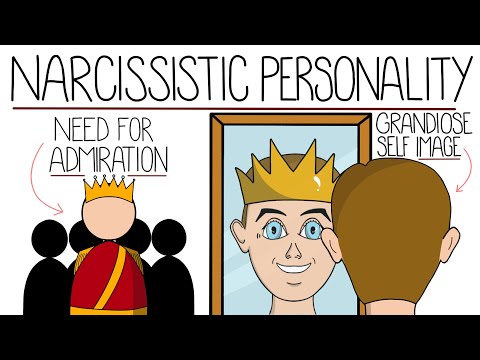
So, you know those people who seem to think they’re the center of the universe? Yeah, I’m talking about those folks with a serious case of narcissism. It’s wild how some people are just so wrapped up in themselves, right?
Narcissistic Personality Disorder is more than just a big ego. It’s actually a whole set of traits that can mess with relationships and how someone sees the world. If you’ve ever felt drained after dealing with someone like this, you totally get what I mean.
Let’s break down what the DSM-5 has to say about it. Trust me, it could help clear up a lot of confusion!
Understanding Narcissistic Personality Disorder: The 9 Key Criteria Explained
Understanding Narcissistic Personality Disorder can feel pretty overwhelming. You might be asking yourself, “What does this all really mean?” Let’s break it down together.
Narcissistic Personality Disorder (NPD) is recognized in the DSM-5 (Diagnostic and Statistical Manual of Mental Disorders, for those not in the know). Basically, it’s a condition where someone has an inflated sense of self-importance and a deep need for admiration.
Here are the 9 key criteria that characterize NPD:
- Grandiosity: This means they have an exaggerated sense of their own importance. They might constantly brag about their achievements or believe they’re special.
- Need for admiration: People with NPD often crave attention and validation. It’s like they need constant applause just to feel okay about themselves.
- Lack of empathy: They struggle to recognize or care about other people’s feelings. Imagine telling them about a rough day, and they suddenly change the topic to their own problems.
- Sensitivity to criticism: Even a small critique can send them into a tailspin. They may react with rage or defensiveness when someone points out their flaws.
- Exploitation of others: Using people for personal gain is common. Say your friend constantly borrows money but never pays you back—it might feel like that.
- Envy: They often envy others or believe that others are envious of them, which creates this nasty cycle of resentment.
- Pompous behavior: It’s like they strut around like peacocks, always trying to show off and be the center of attention.
- Fantasies of success: Often, they’re stuck in these grand visions—like being wildly successful or incredibly beautiful—all while ignoring reality.
- A sense of entitlement: They expect special treatment or automatic compliance from others without any reason but their high opinion of themselves.
You know what’s tricky? Sometimes these traits can come off as charming at first. You might find yourself drawn to someone who’s charismatic and confident—only to realize later that it masks deeper issues.
For example, think about that friend who always seems so put-together at parties but totally disregards your feelings when you share something personal. Over time, you may feel drained because it feels one-sided—all give on your part and all take on theirs.
Coping with someone who has NPD can be tough. It might leave you feeling invalidated, confused, or even upset. Knowing these criteria helps you understand what is happening—and hey, maybe even why you’re feeling the way you do.
In short, Narcissistic Personality Disorder is complex but understanding its key characteristics gives you insight into how it affects people—and those around them too! So remember: knowledge isn’t just power; it’s also kind of freeing when dealing with complicated relationships.
Exploring Medication Options for Narcissistic Personality Disorder: Can Drugs Help?
Narcissistic Personality Disorder (NPD) is one of those tricky mental health conditions that can definitely shake things up in a person’s life. People with NPD often exhibit a pattern of grandiosity, need for admiration, and a lack of empathy. And while therapy is usually the go-to option for treatment, you might be wondering: can medications really play a role here?
First off, it’s important to know that there are no specific medications approved to treat NPD. But some folks out there have found that certain medications can help with symptoms that pop up alongside NPD, like anxiety or depression. It’s kind of like treating the side effects rather than the core issue itself.
Now, let’s break it down a little more. Here are some potential pathways when considering medications:
- Antidepressants: Sometimes, people with NPD might also experience feelings of sadness or low self-esteem. Antidepressants such as SSRIs may help lift those heavy feelings.
- Anti-anxiety Medications: If someone struggles with excessive anxiety or panic attacks—common in folks dealing with NPD—medications like benzodiazepines could provide relief.
- Mood Stabilizers: If mood swings are an issue, doctors might suggest stabilizers like lithium to manage emotional highs and lows.
So, you’re probably thinking: how does someone even get started on this journey? Well, first stop is usually a mental health professional—think psychologists or psychiatrists—who can evaluate symptoms and discuss whether medication could be beneficial.
It’s worth mentioning that medication isn’t a magic bullet. You know how sometimes you take meds and feel *some* change but not necessarily all the way better? That’s pretty common; meds often work best when combined with therapy. Therapy for NPD typically focuses on building insight into one’s behavior and improving interpersonal skills.
Let me share a quick story. A friend of mine was diagnosed with NPD after years of turbulent relationships and workplace conflicts. Therapy helped him understand why he behaved the way he did but during particularly tough patches, he found antidepressants made it easier to deal with those intense feelings of emptiness he sometimes felt.
But! It’s super crucial to approach medication carefully. Not everyone responds the same way to drugs, which means what works for one person might not work for another at all.
Also keep in mind that most doctors will start treatments at lower doses while monitoring progress closely—it’s all about finding what works best without jumping straight into strong meds right off the bat!
In summary, while there aren’t specific drugs aimed directly at treating NPD itself, managing symptoms through medication can be part of a broader plan that includes therapy. So if you’re considering this route or want to explore options further? Just remember: communication is key! Talking openly with your healthcare provider about experiences and challenges will help in creating an effective treatment plan tailored just for you or your loved one facing these struggles.
Exploring the Possibility: Can Narcissists Form Meaningful Close Relationships?
So, let’s talk about narcissism and whether those folks can actually form meaningful close relationships. You might have heard the term “narcissistic personality disorder” thrown around, but what does it really mean? Basically, it’s when someone has an inflated sense of self-importance, a need for excessive admiration, and a real lack of empathy for others.
Now, according to the DSM-5, which is like the go-to manual for diagnosing mental health issues in the U.S., there are some specific criteria that define this condition. But before we get too deep into that, let’s think about relationships. Can a person with narcissistic traits genuinely connect with someone?
Here’s the thing: people with narcissistic personality disorder often struggle with truly understanding or valuing others’ feelings. They might seem charming at first but can quickly shift to behaviors that are more self-serving. Let’s say you’re dating someone who constantly talks about their achievements and brushes off your concerns—this can feel pretty one-sided.
But it’s not all black and white. Some narcissists can form connections; they just look different than what we typically think of as “meaningful.” Here are some key points to ponder:
- Superficial Connections: Narcissists might engage in relationships that seem fulfilling on the surface but lack depth. They may surround themselves with adoring friends or partners who boost their ego.
- Lack of Empathy: It’s hard to support someone when you don’t really feel their pain or joy. This lack of empathy can lead to misunderstandings and hurt feelings.
- Fear of Vulnerability: Opening up is tough for anyone, but a narcissist might see vulnerability as weakness. This can hinder deeper emotional intimacy.
- Cyclical Patterns: Relationships may go through intense highs and lows—like a roller coaster—due to manipulative behaviors or conflicts arising from their self-centeredness.
It’s not uncommon for relationships involving narcissists to be tumultuous. Maybe you know someone who dated a narcissist—at first, everything felt thrilling because they showered them with attention. But then, this same person began feeling ignored or criticized when they expressed their own thoughts or feelings.
Making close connections requires work from both sides. While it’s possible for individuals with narcissistic traits to have moments of connection (especially if they start therapy), these moments might be fleeting if they don’t acknowledge their behaviors and take steps to change them.
In summary, yeah, some folks with narcissistic tendencies can create bonds that appear close but often lack genuine substance and emotional depth. Meaningful connection means being able to share vulnerabilities and emotions fully—a heavy lift for many people dealing with this disorder.
So next time you wonder about relationships in the context of narcissism, keep in mind both the potential for connection and its limitations. It’s complicated!
You know, narcissistic personality disorder (NPD) can sound like one of those fancy terms that gets tossed around a lot but, honestly, it’s a pretty complex thing. If you’ve ever been around someone who seems to think the world revolves around them or that they’re just better than everyone else, you might’ve run into this.
According to the DSM-5, which is like the reference book for mental health professionals, NPD has specific criteria. So, let’s break it down a bit. Basically, for someone to be diagnosed with NPD, they really need to show a pattern of grandiosity. And I don’t mean just having an inflated ego at times; we’re talking about this being consistent over time and in various situations.
One thing they mention is that people with NPD often have this intense need for admiration. It’s almost like they can’t help but fish for compliments or praise from others. Imagine someone who posts amazing selfies all the time but gets super upset if nobody comments or likes them. It’s intense!
Then there’s this whole idea of lacking empathy. Like, they might not be able to connect with or understand how others feel—not because they don’t care but more because they don’t even think about it much at all! I remember this friend of mine who was dating someone like this—it was heartbreaking watching her pour herself out emotionally while he just stared at his own reflection in his phone.
And hey, there are also these feelings of entitlement often tied in. It’s as if some folks genuinely believe they’re owed something—like special treatment or privileges—just for being themselves. That’s tough when you think about how it can affect relationships and friendships.
You might find traits like arrogance or haughty behaviors too. Just imagine someone who walks into a room and acts like they own the place while dismissing everyone else’s value or opinions. Totally off-putting.
So it boils down to a mix of grandiosity, admiration seeking, empathy deficits, and entitlement—all rolling together in a person’s life in pretty damaging ways—not just for them but also for their loved ones and friends.
It’s fascinating—and kind of sad too—when you realize how these traits play out in real life and impact relationships with family and friends. Understanding all this stuff isn’t easy on anyone involved, but making sense of it can pave the way for some serious healing if that’s what everyone wants to do!