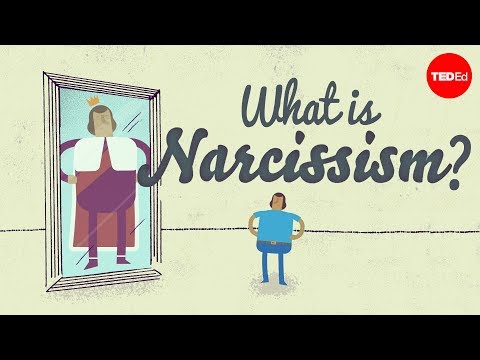
So, narcissism. It’s one of those words that gets thrown around a lot, right? You probably know someone who seems to think they’re the center of the universe.
But what does it really mean? I mean, like, in a psychological sense? Is it just about being vain or self-absorbed?
Well, there’s more to it than meets the eye. The DSM-5 has a pretty specific take on it. And understanding that can really change how you see people—and yourself!
Let’s break it down together. You might find it kind of eye-opening!
Understanding Narcissism: Insights from the DSM-5 Diagnosis Guide
Narcissism is one of those terms that get tossed around a lot, but it can mean different things depending on the context. In the realm of psychology, particularly as outlined in the DSM-5 (Diagnostic and Statistical Manual of Mental Disorders, Fifth Edition), narcissism has a more specific definition—it’s classified as Narcissistic Personality Disorder (NPD).
So what does that really mean? Well, to meet the criteria for NPD according to the DSM-5, you’d need to exhibit a pervasive pattern of grandiosity, a constant need for admiration, and a lack of empathy. This isn’t just about someone being self-absorbed once in a while; it’s more like they’re on a grand stage all the time, craving applause.
Here are some key points that might help paint a clearer picture:
- Grandiose Sense of Self-Importance: This means they often overstate their achievements or talents. Think about someone who constantly talks about their promotion and how they’re destined for greatness—like they’re the main character in every story.
- Preoccupation with Success: They might be consumed with fantasies of unlimited success or power. You know those folks who always talk big but don’t quite match up? That’s part of it.
- Believing They Are Special: People with NPD often think they’re unique and can only be understood by other special people. They might act like they’re in an exclusive club that no one else can join.
- Need for Excessive Admiration: Imagine someone who thrives on compliments but falters when not getting them. It’s almost like their entire mood hinges on what others think!
- Lack of Empathy: This is huge—narcissists often struggle to recognize or identify with other people’s feelings. Picture having a friend who constantly talks over you during your tough times because they don’t really get how you feel.
- Arrogant Behaviors: They may come off as haughty or condescending; think of that one person at work who looks down on others as if everyone else is beneath them.
You might wonder where it comes from. Well, researchers suggest it’s likely a combination of genetics and environmental factors. Maybe someone grew up getting way too much praise without any real challenge—which can set the stage for this kind of personality.
Now, dealing with narcissism isn’t easy. If you’ve ever encountered someone with these traits, you know how draining it can be! It’s like walking on eggshells—everything feels tense because their reactions can range from being dismissive to explosive if they feel threatened or criticized.
Treatment options exist but aren’t always straightforward because people with NPD may not recognize they have an issue in the first place! Therapy approaches typically focus on helping individuals develop empathy and better coping strategies over time.
In essence, recognizing narcissistic traits can help you navigate relationships better—whether it’s setting boundaries or understanding why someone behaves the way they do. So yeah, there’s definitely more than meets the eye when we talk about narcissism!
Understanding Narcissistic Personality Disorder: The 9 Key Criteria Explained
Narcissistic Personality Disorder (NPD) can be a pretty complicated topic to get your head around. But breaking it down is essential if you want to understand it better. The Diagnostic and Statistical Manual of Mental Disorders (DSM-5) outlines nine key criteria used to diagnose NPD. So, let’s take a closer look at each one.
1. Grandiosity: People with NPD often have an inflated sense of their importance. They might think they’re special or unique, and expect others to recognize that. You know someone who constantly brags about their achievements or talents? Yeah, that could be a sign.
2. Need for Admiration: This goes hand in hand with grandiosity. These individuals crave excessive admiration from others. They want people to validate their self-esteem constantly, like needing applause after every little thing they do.
3. Lack of Empathy: One major hallmark is an inability to recognize or identify with the feelings of others. Imagine someone dismissing your struggles because they think everyone should just toughen up—that’s a classic sign.
4. Sense of Entitlement: This isn’t just feeling deserving; it’s believing you deserve special treatment without having to earn it! For example, cutting in line because «you’re more important» is a pretty straightforward manifestation.
5. Exploitative Behavior: Individuals may take advantage of others for personal gain or pleasure without considering how it affects anyone else. Think about someone using friendships just for favors—uh huh, that’s exploitative.
6. Envy: Those with NPD often feel envious of others or believe that others are envious of them, which can create some seriously toxic dynamics in relationships and workplaces alike.
7. Arrogant Attitude: A haughty demeanor might seem like confidence at first, but often it’s masking insecurity underneath all that bravado. You might notice them looking down on people they perceive as ‘less than.’
8. Preoccupation with Success and Power: These individuals are frequently obsessed with fantasies about unlimited success, power, brilliance, or beauty—think about someone who spends all their time daydreaming about being rich or famous instead of dealing with reality.
9. Relationships Issues: Because of all these traits combined, personal relationships can suffer immensely—friends may feel used or neglected while family members can feel drained from trying to meet impossible expectations.
Having some traits doesn’t necessarily mean someone has NPD; it needs to disrupt day-to-day life significantly and show a pattern over time for a diagnosis to be made by a professional.
So yeah, understanding these nine aspects gives you an insight into what makes narcissistic personality disorder tick! It also helps explain why those living with NPD may struggle not just in their own lives but also create chaos for everyone around them too!
Understanding the Removal of Narcissistic Personality Disorder from DSM-5: Implications for Mental Health
Narcissistic Personality Disorder (NPD) has been a hot topic in mental health circles, especially with the ongoing debates about its classification. Recently, there’s been talk about the possibility of removing NPD from the DSM-5. That’s a big deal for both psychologists and patients. Let’s break this down a bit.
Narcissism, as defined in the DSM-5, is characterized by things like an inflated sense of self-importance, a need for excessive admiration, and a lack of empathy. But here’s where it gets tricky: many argue that labeling someone with NPD can often do more harm than good. The stigma attached to it can prevent individuals from seeking help because they’re afraid of being labeled as a “narcissist.” You know what I mean?
Now think about it. When someone hears they have NPD, they might feel boxed in or misunderstood. Instead of focusing on how to manage their feelings or behaviors that affect their relationships, they get caught up in this label. This could lead to more damage than healing.
Here are some implications if NPD were removed:
Plus, consider this emotional angle: imagine someone who grew up feeling unworthy or neglected. They develop narcissistic traits as a defense mechanism—not because they think they’re better than everyone else but out of fear and insecurity. Treating them without the label allows for more compassionate conversations around their past and traumas.
It also means shifting our approach toward relationships impacted by narcissism. If we drop the diagnosis from the DSM-5, people might focus less on changing others who display narcissistic traits and more on improving communication patterns or setting boundaries.
But what happens next? Well, there’s still so much work to do around understanding these behaviors in general society. Therapists would need to adapt their strategies significantly while ensuring that clients still recognize harmful patterns without needing them tied down to a diagnosis.
Sure enough, removing NPD from the DSM-5 isn’t just about classification; it reshapes the whole conversation around mental health and personal growth. The ultimate goal is helping individuals lead healthier lives—free from stigmas that keep them trapped in cycles of pain.
It’s all about connection and understanding at the end of the day—not just labels slapped on people without context or compassion!
Narcissism is one of those terms that gets thrown around a lot, right? You hear it in casual conversations, like, “Oh, he’s such a narcissist,” when someone’s being overly self-absorbed or arrogant. But when you dig into what it really means—especially according to the DSM-5—it paints a more complex picture.
So the DSM-5 defines narcissistic personality disorder (NPD) as a pattern of grandiosity, need for admiration, and a lack of empathy. It sounds pretty straightforward on paper. But honestly? It can be pretty tricky to grasp. A while back, I had this friend who was charming and magnetic but would often turn conversations back to themselves. At first, it was flattering to be around someone so confident, but then I found myself feeling drained after our chats. Like, sure it’s entertaining at first, but after some time, you realize you’re just a supporting character in their life story.
In the DSM-5 criteria for NPD, they mention things like having an exaggerated sense of self-importance or believing they’re special and unique compared to others. It’s like they’re stuck in this bubble where they can’t see beyond their own reflection. But here’s the catch: people with NPD often struggle with deep-seated insecurities. They might come off as almost invincible on the outside but are actually battling feelings of inadequacy underneath all that bravado.
Now imagine trying to connect with someone who doesn’t seem to care about your feelings or experiences—frustrating, right? That’s where the lack of empathy comes into play. It can make relationships feel one-sided and emotionally exhausting.
But it’s not just about being self-centered; there are patterns that lead to this behavior too. Many times, people develop these traits as coping mechanisms from childhood experiences—maybe they didn’t get enough validation or were overly pampered. Understanding this helps humanize them a bit; they’re not just villains in their own stories.
So yeah, when we talk about narcissism through the lens of psychology and the DSM-5, we uncover layers that aren’t always visible at first glance. It’s super important for us to remember this nuance when dealing with people who may exhibit these traits—or even ourselves if we’re being honest! Life is messy and complex; sometimes we all have our moments where we act out from insecurity rather than pure egoism. It makes me reflect on how compassion goes a long way in understanding those around us—even if they’re wearing that big mask of narcissism.