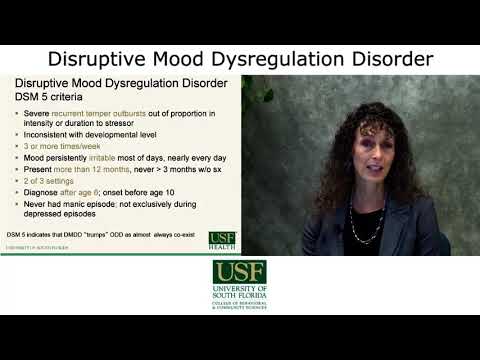
So, let’s talk about mood dysregulation disorder. Sounds like a mouthful, right? But really, it’s about those crazy ups and downs we all feel, just cranked up a notch.
You know when you wake up feeling like a champ but then by midday, you’re just…ugh? Yeah, that’s kind of the vibe here. It gets tricky when those mood swings mess with your day-to-day life.
Imagine being on that rollercoaster where the ride just doesn’t stop. Frustrating, isn’t it? It’s not just about being moody—there’s more to it. The thing is, understanding it can help you or someone you care about find better ways to cope.
Let’s take a look at what this all means and how we can navigate through it together. Sound good?
Understanding DSM-5 Criteria for Mood Dysregulation Disorder: A Comprehensive Guide
Mood Dysregulation Disorder, or MD, is something many people might not know about. But it can be a big deal for those who live with it. Basically, it’s like getting stuck on a roller coaster of emotions—up and down all the time. The DSM-5 (that’s the Diagnostic and Statistical Manual of Mental Disorders) gives specific criteria to help identify this condition.
First off, let’s talk about the age factor. For someone to be diagnosed with MD, symptoms must start before age 18. Now, that doesn’t mean you can’t experience issues later in life, but for diagnostic purposes, early signs are key.
Next up are the **emotional outbursts**. Picture this: You’re having a chill day when suddenly you feel an overwhelming wave of anger or sadness. That’s what we’re talking about here. These episodes can be really intense and happen **several times a week**. It might seem like an overreaction to others, but in the moment, it feels very real to you.
Then there’s the matter of how **long these issues last**. To qualify as Mood Dysregulation Disorder, these episodes need to show up for at least **12 months** without a break of more than three months at a time. So if you’ve been feeling like this on and off for ages—it could definitely be something more serious than just “bad days.”
Also important is how these emotional bursts affect your life—like school or friendships. You might find yourself avoiding social situations because you’re scared of how you could react when emotions hit hard—totally understandable! But that avoidance can lead to feeling even more isolated.
Another key piece is how these symptoms impact your mood between those outbursts; they shouldn’t just be brief moments but rather continuous feelings of irritability or anger most days. Like waking up feeling heavy even when nothing has gone «wrong» yet.
One common misconception is confusing MD with typical teenage mood swings or even things like Depression or Bipolar Disorder. While everyone experiences mood changes occasionally—including kids—you’ll notice that MD has more severe symptoms and they last way longer than what most people go through during their teenage years.
Now let’s talk treatment options! Therapy can be super helpful here—especially approaches aimed at emotional regulation skills so you learn ways to manage those intense feelings better.
So yeah, if any of this resonates with you or someone close to you—a mental health professional can really help make sense of things and offer support tailored just for your needs! Understanding DSM-5 criteria is an essential step in identifying whether someone might have Mood Dysregulation Disorder but remember—it’s always best done through conversation with trained folks who get it!
Effective Strategies for Treating Dysregulated Mood Disorder: A Comprehensive Guide
Dysregulated Mood Disorder is, like, a really tricky situation when it comes to mental health. It’s part of the DSM-5, and it basically means that someone struggles with really intense mood swings. These swings can affect everything from how you relate to others to your daily activities. So, if you or someone you know is dealing with this, here’s some info on how to tackle it.
Therapy is often a cornerstone in treating Dysregulated Mood Disorder. Different types of therapy can help you manage emotions better:
Now, let’s talk about medication. While not everyone needs meds, some find them helpful in stabilizing their mood:
It’s also super crucial to develop coping strategies. These can make a huge difference:
Shelly’s Story: Let me share something personal here. I once knew a friend named Shelly who struggled with severe mood swings. She’d go from super happy one moment to deeply sad the next. It was exhausting for her—and those around her! After starting therapy and practicing mindfulness every day, she began feeling more steady over time. It was inspiring to see her transformation.
Finally, community support is essential too—think groups or friends who “get it.” You’re not alone in this journey; connecting with others can be incredibly healing.
In summary, while navigating Dysregulated Mood Disorder feels daunting, effective strategies exist! From therapy options to self-care practices: things can indeed improve over time. Just remember that every person’s journey is unique—what works wonders for one might take longer for another—but there’s hope ahead!
Understanding Emotional Dysregulation: Key Insights and Effective Strategies
Emotional dysregulation is like when your feelings are on a rollercoaster, and you’re just trying to hold on. One moment you’re feeling great, then something small happens and boom! It’s like an emotional explosion. This can be super tough for anyone dealing with it, especially in the context of DSM-5 Mood Dysregulation Disorder.
So, what does this disorder really mean? Essentially, it’s about having a hard time managing your emotions. It can manifest as intense anger or sadness that doesn’t seem to match the situation. You know that feeling when your friend forgets your birthday and you’re suddenly crying like it’s the end of the world? Yeah, that’s kind of what we’re talking about here.
Key Insights:
- Triggers: A lot of times, emotional dysregulation is all about triggers—those little things in life that set off big feelings. It could be stress at work, conflicts with friends, or even just being really tired.
- Intensity: The intensity of emotions can feel overwhelming and might lead to behaviors that you later regret—like yelling at someone or closing yourself off from loved ones.
- Timeframes: People often experience these overwhelming feelings for a longer period than seems reasonable. Instead of bouncing back after a few hours, some folks may feel tangled up in their emotions for days.
Now let’s talk about some strategies to help manage these emotional swings. Seriously, they can make a world of difference.
Effective Strategies:
- Mindfulness Practices: Bringing awareness to your thoughts and feelings can really help. Mindfulness is all about focusing on the present without judgment. When you notice those strong feelings creeping in, try taking deep breaths or grounding yourself with your surroundings.
- Coping Skills: Developing coping mechanisms is crucial. This could be anything from journaling your thoughts to creating art as an outlet for pent-up emotions!
- Therapy: Talking things through with a therapist can provide amazing support. They can offer tools tailored just for you—like Cognitive Behavioral Therapy (CBT), which helps reshape negative thought patterns into more positive ones.
Let me tell you a quick story here: I once knew someone who struggled with managing their emotions after breaking up with their partner. At first, they were drowning in sadness one minute and then furiously cleaning their apartment the next! Once they started practicing mindfulness and talking to a therapist regularly, they learned how to acknowledge those swirling emotions without letting them take over completely.
It’s totally possible to navigate through emotional dysregulation with the right support and strategies. You’re definitely not alone in this journey; many people face similar challenges every day. Just remember—it’s all about understanding those powerful feelings and finding ways to cope effectively so they don’t control your life!
Mood Dysregulation Disorder, or DMDD for short, is one of those things that’s kind of complicated but super important to understand, especially if you’re dealing with kids or teens. So, basically, it’s characterized by severe temper outbursts that are way out of proportion to the situation. Think about a kid who has a meltdown over losing a game—something that seems minor—but their reaction is like they just lost their favorite toy or something. It’s intense!
I remember a friend of mine telling me about her son. He was this sweet kid who loved dinosaurs and video games but would suddenly explode when he didn’t get his way. It was confusing for everyone involved, including him! They’d be sitting there for dinner, and boom! Out came the storm clouds. And honestly? It broke her heart to see him struggle like that.
So DMDD can show up in different ways—like irritability almost every day and these angry outbursts—really disruptive stuff. The tricky part is it often gets mixed up with other disorders, like ADHD or anxiety, which can make getting the right help a bit tough.
What’s wild is that DMDD usually starts in childhood and can hang around into adulthood if left untreated. It really highlights how crucial it is for parents and teachers to recognize these patterns early on and seek help before things spiral further.
When thinking about treatment options, therapy plays a huge role. Cognitive Behavioral Therapy (CBT) can help kids learn how to manage their emotions better…like hitting pause before reacting in anger. Sometimes medications are prescribed too, but that’s something only doctors should decide on.
And here’s the thing: if you’re supporting someone with DMDD or suspect they might have it, know that patience is key! Like my friend learned through her journey—it’s not just about managing those big feelings; it’s also about helping them build tools they can use later in life.
Navigating through mental health issues isn’t simple; it takes work from everyone involved—parents, teachers, friends—and understanding what DMDD really means helps us do just that!