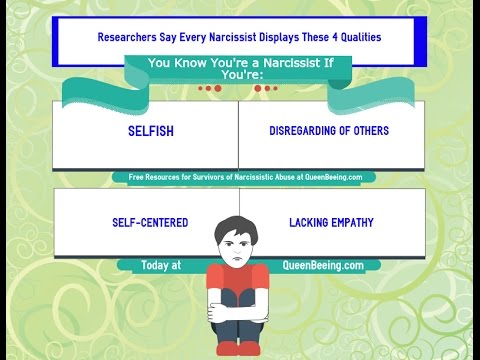
So, let’s chat about something that’s been thrown around a lot these days: narcissism. You’ve probably heard the term, right? It seems like everyone’s got an opinion on it.
But here’s the thing: narcissistic personality disorder is way more than just being self-absorbed or loving selfies. It’s officially recognized in the DSM-5, which is like the manual for mental health pros.
And it can really mess with relationships and self-esteem. Ever had a friend who makes everything about them? Yeah, it gets old fast. So, let’s break down what this disorder really looks like and why it matters. Sound good?
Understanding Covert Narcissism: Key DSM-5 Criteria Explained
Understanding covert narcissism can be a bit tricky, especially when you look at it through the lens of the DSM-5 criteria for Narcissistic Personality Disorder (NPD). You might have come across those larger-than-life narcissists—the ones who want to be the center of attention. But covert narcissism? That’s more subtle, sneaky even.
So, let’s break it down. The DSM-5 outlines specific traits and behaviors that help identify NPD. Here are some key features that could relate to covert narcissism:
- Grandiosity: This isn’t just about being flashy. Covert narcissists often display grandiosity through fantasies of success or power, but they might do it quietly, in their heads.
- Need for admiration: They crave validation but in less obvious ways. Instead of demanding praise loudly, they may fish for compliments or drop hints about their accomplishments.
- Sense of entitlement: You might notice them expecting special treatment without the loud demands. It can feel like an unspoken rule that others should cater to their needs.
- Lack of empathy: This is huge! Covert narcissists often struggle to recognize or care about other people’s feelings—it’s more like they make everything about them without realizing it.
- Interpersonal issues: Relationships can be difficult with these folks. They may seem shy or withdrawn instead of outright arrogant, making it tough to spot the underlying issues.
- Enviousness: They may experience envy toward others’ success but might not express it openly. Instead, you could see passive-aggressive behavior or backhanded compliments.
Imagine a friend who always seems sad when anyone else does something great—like landing a dream job. They don’t shout about how unfair life is; instead, they sulk silently and sometimes even question your happiness.
Another important aspect is their reactive nature. When criticized—even gently—they can become defensive and self-pitying rather than confrontational. You know that feeling when someone plays the victim card? That’s typical for covert narcissism.
It can feel confusing trying to pin down these behaviors because they’re wrapped up in a soft-spoken package rather than an overtly brash one. Being aware of all this is key if you’re dealing with someone like this or just trying to understand what’s going on.
Coping with a covert narcissist isn’t easy either, as they often leave people feeling drained or questioning themselves. If you ever find yourself stuck in one-sided relationships where your needs take a backseat? Yeah, that’s a sign something deeper might be happening here.
In short, understanding covert narcissism requires paying attention not just to what people say but how they behave over time—especially in relation to others’ feelings and experiences around them. So remember: it’s not always about loud declarations; sometimes it’s the quiet manipulation that cuts deepest!
Understanding Narcissistic Personality Disorder: DSM-5 Insights and Free PDF Guide
Narcissistic Personality Disorder (NPD) is one of those terms that gets thrown around a lot, but what does it actually mean? Well, according to the DSM-5, which is basically the official handbook for mental health professionals in the U.S., NPD is a condition marked by some pretty distinct features.
Key features include:
- Grandiosity: This isn’t just thinking you’re awesome. It’s an inflated sense of self-importance and an overestimation of abilities and achievements.
- Need for admiration: People with NPD crave constant attention and validation. They want to be recognized as superior, even if they haven’t earned it.
- Lack of empathy: This can feel like a punch in the gut for those around them because they really struggle to understand or care about other people’s feelings.
- Exploitation: They might take advantage of others to get what they want—often without any guilt or remorse.
- Envy: It’s not uncommon for someone with NPD to be envious of others or believe that others are envious of them. It’s a real mess!
- Arrogance: A tendency to come off as haughty or conceited can make social interactions really tough.
Now, you might be thinking, “Okay, but how do these traits show up in real life?” Picture this: You’re at a party, and there’s this guy who constantly interrupts people to brag about his job or his latest vacation. He doesn’t listen when others talk; instead, he steers the conversation back to himself. If someone shares their own success story, he might respond with something dismissive like, “That’s nice, but you should see my achievements.” Yeah, not exactly the best party guest!
The DSM-5 doesn’t just throw out these symptoms randomly. It categorizes these behaviors into specific areas that impact day-to-day living significantly. People with NPD often struggle in their personal relationships because their self-centeredness makes genuine connections kind of impossible.
Another thing worth noting is that while someone might show traits of narcissism along the way—who doesn’t have a bit of self-love?—Narcissistic Personality Disorder is more severe. Like, it follows a pattern over time and not just during stressful situations.
If you’re curious about diving deeper into NPD or need more resources on it, there are often free guides available online in PDF format from mental health sites. These can help break down everything from symptoms to treatment options.
In summary, understanding NPD through DSM-5 insights gives us clarity on what drives this behavior and why it can be so challenging for those affected as well as those around them. Understanding helps build compassion and perhaps even patience when dealing with someone who has this disorder—even if they drive you up the wall sometimes!
Understanding DSM-5 Criteria for Narcissistic Personality Disorder: Key Characteristics and Diagnosis
Alright, let’s chat about **Narcissistic Personality Disorder (NPD)** and its criteria from the **DSM-5**. It might sound a bit technical, but I promise to keep it clear and relatable. The DSM-5 is basically the go-to manual for mental health professionals to diagnose conditions. So, what’s NPD all about?
Well, people with narcissistic traits often have an inflated sense of their own importance. They really believe they’re special in some way, like they’re above everyone else. This can lead to some tricky interactions with others.
The DSM-5 outlines specific criteria to help diagnose NPD. According to this manual, a person must meet **five or more** of the following characteristics for a diagnosis:
- Grandiosity: They think they’re better than everyone else, often exaggerating achievements and talents.
- Need for admiration: They crave constant praise and attention from others.
- Lack of empathy: They struggle to understand or care about other people’s feelings.
- Sense of entitlement: They expect special treatment or automatic compliance from others.
- Exploitativeness: They take advantage of others to get what they want.
- Envy: Often feeling jealous of others or believing that others are envious of them.
- Arrogant behaviors: Acting haughty or superior towards others.
Let me throw in a quick story here. Imagine someone at work who constantly talks about their accomplishments but never asks how your weekend was. You might feel like you’re just a prop in their show! That’s kinda how it feels when someone has NPD—they’re so focused on themselves that they miss out on genuine connections.
Now, diagnosing NPD isn’t just about ticking off boxes; it’s also important to consider the impact these traits have on daily life and relationships. A person could display some narcissistic traits without meeting the full criteria for a diagnosis—everyone has moments where they act selfishly, you know? However, if these behaviors are consistent and pervasive, that’s when things get serious.
Another thing to keep in mind is that while people with NPD might seem confident on the outside, there can be deep-seated insecurities lurking underneath all that bravado. It’s like wearing armor—tough on the outside but vulnerable inside.
In short (and maybe a little oversimplified), understanding NPD through the DSM-5 criteria helps clarify what’s going on beneath those flashy surfaces. It’s not just about being self-centered; it’s about how these patterns affect someone’s life and interactions with other folks! So next time you encounter someone who seems larger than life but may lack depth in their connections with people around them, remember there could be more going on beneath the surface.
Narcissistic Personality Disorder, or NPD for short, is one of those terms that pops up often in conversations about mental health. You might have heard folks throw it around casually when discussing someone who seems overly into themselves. But when you really dig into what it means to have NPD, it’s a whole lot more complex than just being self-absorbed.
So, the DSM-5 lays out some key features of this disorder. Basically, people with NPD usually have an inflated sense of self-importance. They might need constant admiration and can come across as arrogant or haughty. And what’s wild is that underneath all that bravado, many struggle with significant insecurity. It’s like they’re walking around with a shield, trying to protect something really fragile inside.
Take a friend of mine, for instance. He had a boss who seemed perfect on the outside—charming, charismatic, and always in the spotlight. But behind closed doors? That same boss was incredibly needy for validation and had no patience for anyone else’s ideas or feelings. It was like he needed to be the best at everything and couldn’t handle it if he wasn’t.
Another thing about NPD is that relationships can be pretty rocky. People with this disorder often exploit others to meet their needs without really caring about how it affects them. It can feel like a never-ending cycle where one person is constantly giving while the other just takes and takes.
In the DSM-5, you’ll also find mentions of envy—both feeling envious of others and believing others are envious of them. It’s an exhausting dance between wanting to be admired but also fearing that others will overshadow them.
Recognizing these traits can be eye-opening but also heavy stuff to process. You start realizing that while their behavior may seem rude or dismissive at times, there’s often deeper pain driving those actions—a fear of not being worthy enough without all that external praise.
So yeah, understanding narcissism through the lens of NPD gives us a whole new perspective on interactions we might find frustrating or confusing in our lives. It’s really about peeling back those layers and seeing there’s often more going on beneath the surface than we initially realize.