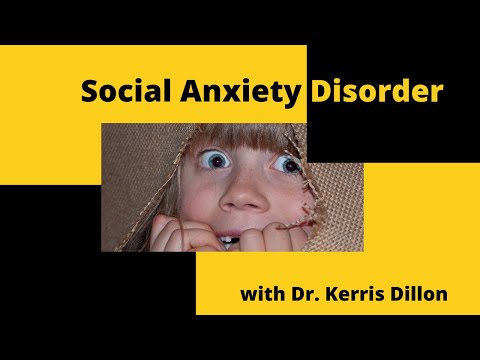
You know that feeling when you’re about to speak in front of a crowd, and your heart starts racing? Yeah, that awkward mix of panic and dread. That’s just a taste of what social phobia, or social anxiety disorder as the DSM-5 calls it, feels like.
It’s not just nerves; it’s like this huge cloud hanging over your head whenever you think about social situations. Seriously, it can make everyday stuff—like chatting with coworkers or meeting new people—feel super overwhelming.
And let me tell ya, it’s way more common than you’d think. A lot of people struggle with it, often without even realizing what they’re dealing with. So, let’s dig into what social phobia really means and how it affects folks in their daily lives.
Understanding Social Phobia: A Comprehensive Guide to DSM-5 Criteria and Insights
Social phobia, often called social anxiety disorder, can feel like you’re carrying a heavy backpack full of bricks during every social interaction. If you’ve ever avoided a gathering or felt your heart racing just thinking about speaking in public, you might know the struggle. So let’s break down what social phobia really is and how it shows up according to the DSM-5.
What is Social Phobia?
Basically, social phobia is an intense fear of being judged or embarrassed in social situations. This isn’t just shyness; it’s a persistent fear that can take over your life. Imagine standing in front of a crowd, palms sweaty and heart pounding, convinced everyone is focusing on your every move. That feeling? It’s kinda like living in a constant state of panic.
DSM-5 Criteria
The Diagnostic and Statistical Manual of Mental Disorders (DSM-5) lays out specific criteria to help mental health professionals identify social phobia. Here are some key points:
- Intense Fear: You experience overwhelming anxiety about being scrutinized or judged in social situations.
- Avoidance: You go out of your way to avoid situations where you feel exposed—like parties or even one-on-one conversations.
- Dread and Distress: When facing these situations, the anxiety causes significant distress or impairment in daily functioning.
- Duration: The symptoms must last for six months or more to qualify as a disorder.
To put it simply, if walking into a room makes you want to turn around and bolt, that’s a sign that something deeper might be going on.
The Emotional Rollercoaster
Now let’s talk feelings. People with social phobia often experience shame and self-consciousness that can be pretty paralyzing. Maybe there was this one time—you were at a family gathering, and someone asked you about your job. Suddenly, you felt your throat tighten like it was wrapped in aluminum foil! You might have fumbled through an answer or just went blank altogether; the next thing you knew, you were wishing you could disappear.
The Physical Symptoms
Social anxiety doesn’t just mess with your head; it shows up physically too! You might find yourself sweating profusely or having shaky hands when it’s time to speak up. Your heart might race like it’s trying to escape your chest! All these things happen because of how stress affects your body—what they call the “fight-or-flight response.” Kind of wild how anxiety can take over not just mentally but also physically!
Coping Mechanisms
Managing social phobia isn’t always easy but there are ways to work through it. Therapy often helps people tackle those deep-rooted fears head-on—think cognitive-behavioral therapy (CBT). CBT focuses on changing negative thought patterns and building coping skills so that when you’re sitting at dinner with friends, you’re not just silently panicking but actually engaging.
Medications could also be part of the plan; they’ve helped many people manage their symptoms better—but that’s something only professionals should decide.
So basically? Understanding social phobia means recognizing how debilitating this can be for someone. It’s more than just being shy—it’s about facing significant barriers when interacting with others due to fear of judgment or embarrassment. If any of this feels familiar to you or someone close to you? You’re definitely not alone in this struggle!
Understanding Social Phobia: Exploring Its Impact as a Mental Health Issue
Social phobia, also known as social anxiety disorder, can really take a toll on your daily life. Imagine feeling like everyone’s eyes are glued to you every time you step into a room. The idea of being judged or embarrassed can be paralyzing. You might avoid social situations altogether, which leads to feeling even more isolated.
So what exactly is social phobia? Well, it’s more than just shyness. The DSM-5, which is the big book where mental health professionals look up diagnoses, defines social anxiety disorder as an intense fear of being scrutinized in social settings. This could be anything from talking to strangers or giving a presentation at work, to eating in front of people. It’s that overwhelming worry before and during the event that you’ll embarrass yourself.
Now let’s talk about how it impacts people. When someone has this condition, they might experience a bunch of physical symptoms like sweating, trembling, or even heart palpitations when facing a social situation. It can mess with your mind too! Worrying excessively about how others perceive you can lead to avoiding gatherings altogether, which makes social interactions feel even more daunting.
The reality is this fear isn’t just in their head; it feels very real. Picture someone who loves music but skips out on karaoke night because they can’t shake off that anxious voice saying they’ll mess up or look dumb. That’s the kind of impact we’re talking about.
Some folks might end up using alcohol as a crutch—thinking a drink will ease their nerves before stepping out. But this often leads to a cycle where reliance on alcohol continues because it seems like an easier way to cope with feelings of panic.
Another thing worth mentioning is the stigma around mental health issues hurts those struggling with them. People might shrug off someone’s fears as “just being shy” when it’s actually much deeper than that. This misunderstanding can make individuals feel ashamed and reluctant to seek help.
For treatment options, there are several avenues available! Cognitive Behavioral Therapy (CBT) is pretty popular since it helps reframe negative thought patterns that fuel anxiety. There are also medications like SSRIs that some find helpful in managing symptoms—although talking this through with a professional is crucial.
Living with social phobia isn’t easy; it challenges your sense of self-worth and connection with others. But recognizing it as a significant mental health issue is the first step toward finding solutions and healing over time.
In summary:
- Social phobia involves extreme fear of judgment in social situations.
- Physical symptoms include sweating and rapid heartbeat.
- This fear can lead to avoidance behaviors and isolation.
- It’s often misunderstood and carries stigma.
- Treatment options include therapy and medication.
By understanding its complexities and impacts better, we can support not only ourselves but also those around us who may be navigating life with this challenging condition.
Understanding Phobias: Insights from the DSM-5
Phobias can be some pretty tough cookies to crack. They’re not just your garden-variety fears, but intense, irrational fears that can really throw a wrench in your day-to-day life. According to the *Diagnostic and Statistical Manual of Mental Disorders*, Fifth Edition (DSM-5), there are different types of phobias, but let’s zoom in on **social phobia**, also known as **social anxiety disorder**.
What is Social Phobia? Social phobia is mainly about fear in social situations. It’s that feeling of panic you get when you think others are judging you. Imagine standing in front of a group and freezing up because you’re convinced everyone will notice your shaky hands or blushy cheeks. Yeah, it can really mess with your ability to enjoy life.
People with this condition often worry about being embarrassed or humiliated in public. This can lead them to avoid social events altogether, which kinda sucks because we all need social interaction, right?
- Symptoms: Some common signs include intense worry days or even weeks before an event, physical symptoms like sweating or shaking during social interactions, and avoiding situations where they might have to interact with others.
- Fear Level: The fear isn’t just mild; it feels overwhelming and can lead to significant distress.
- Duration: To meet the criteria for social phobia according to the DSM-5, this fear has to last for six months or more.
So why does social phobia happen? It’s not fully understood, but it often stems from a mix of factors—genetics, past experiences, and even brain chemistry. You know how sometimes you catch a glimpse of someone else freaking out and suddenly feel more anxious? That’s a real thing too!
Treatment options are available if you know someone dealing with this or if you’re feeling it yourself. Cognitive-behavioral therapy (CBT) is super effective for many people. This approach helps individuals challenge their negative thoughts and gradually face their fears in a safe way.
Also worth mentioning is exposure therapy—that’s when people are slowly exposed to what scares them in controlled settings until they feel less afraid over time. And hey, medications might be helpful for some too; sometimes just having that little boost can make all the difference.
In summary, understanding social phobia through the lens of the DSM-5 highlights how deep-seated these feelings can be and why they need genuine attention and care. Whether it’s getting help through therapy or medication—or both—it’s totally possible to find ways to cope better and live more freely despite those pesky fears!
Social phobia, or social anxiety disorder as it’s called in the DSM-5, can really mess with your head. You know that feeling when you have to speak in front of a group, and your heart starts racing like you just sprinted a marathon? Yeah, that’s what it’s like for those dealing with social anxiety. It’s more than just being shy; it’s like this overwhelming fear that everyone is judging you and thinking the worst about you.
I remember a friend of mine, let’s call her Sarah. She used to dread going to any social events. Parties felt like walking into an arena full of lions waiting to pounce. Just last year, she had to give a presentation at work. The night before, she couldn’t sleep—not because she didn’t know her stuff but because her mind was racing with “What if?” scenarios. What if she stuttered? What if someone laughed? It almost paralyzed her.
The DSM-5 lays it out pretty clearly: social phobia involves intense fear about being judged or embarrassed in most social situations. It can lead to avoiding situations that create anxiety altogether—like saying no to birthday parties or skipping out on work gatherings. That’s really tough because social connections are so important for our mental health.
One thing that’s striking is how common this is; you’re definitely not alone if you’re struggling with feelings like these. Many people experience some level of anxiety in social settings—it can be super uncomfortable! But when it becomes all-consuming, that’s when it’s labeled as a disorder in the DSM-5.
Treatment options might sound familiar: therapy (especially cognitive behavioral therapy), mindfulness techniques, and sometimes medication can help take the edge off those intense feelings. It’s about reclaiming your life little by little until you’re able to walk into a party without feeling like you need an escape route.
Ultimately, just know this isn’t a character flaw—it’s a real challenge many face every day. You deserve support and understanding as you navigate through it all!