You know how sometimes you just can’t quite put your finger on what’s bothering you? Like, you’re feeling off, but the reasons are all jumbled up in your head?
Well, that’s where the DSM-5 TR comes in. It’s like a roadmap for mental health. Seriously.
Think of it as a super detailed guide that helps professionals figure out what’s really going on with their clients. It covers all sorts of mental health conditions—like anxiety, depression, and everything in between.
What I love about it is how it breaks things down. No more guessing games! You get to understand symptoms, criteria, and even how these conditions interact with one another.
So if you’re a mental health pro—or just curious about the mind—you’re gonna want to dive into this. It’s pretty eye-opening!
Download the Free DSM-5-TR Desk Reference PDF: Your Essential Guide to Mental Health Diagnosis
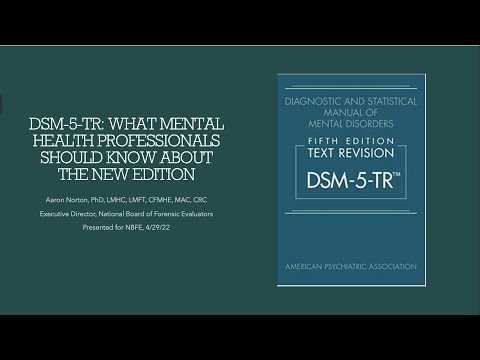
So, you’ve probably heard of the DSM-5-TR, right? It stands for the *Diagnostic and Statistical Manual of Mental Disorders, Fifth Edition, Text Revision*. It’s a big deal in the mental health world. Let’s break it down in a way that makes sense.
The DSM-5-TR is basically a handbook for mental health professionals. It helps them diagnose mental disorders based on standardized criteria. This is super important because it provides consistency in how different professionals identify and understand these conditions.
Some key points about the DSM-5-TR include:
- Structured Framework: The manual offers a clear structure for understanding various mental health conditions. Each disorder is listed with specific criteria to meet for diagnosis.
- Symptoms Described: For each condition, you’ll find descriptions of symptoms. This helps professionals make informed decisions about diagnoses.
- Cultural Considerations: The DSM-5-TR acknowledges that culture plays a role in how we experience and express mental health issues. This is crucial because what might be seen as a disorder in one culture could be understood differently in another.
- Updates and Revisions: The «TR» part means it’s been updated with new research and clinical insights since the original 2013 edition.
You know, it’s kinda like having a set of rules for a game. Everyone needs to play by those rules to keep things fair and clear.
If you’re wondering what kind of disorders are included, there are quite a few! They range from anxiety disorders to mood disorders, personality disorders, and even neurodevelopmental disorders like ADHD. Each category has its own set of symptoms that help guide diagnosis.
Now, it’s natural to feel overwhelmed by all this information—especially if you’re looking at it as someone who isn’t deep into psychology every day. But don’t sweat it! The DSM-5-TR is designed for professionals who spend years training to interpret these guidelines effectively.
And here’s something personal: I remember chatting with a friend who’s a therapist about how difficult it can be when people don’t fit neatly into the categories laid out in the DSM. Like what happens when someone has symptoms from multiple disorders? Well, that’s where “comorbidity” comes into play. It simply means having more than one mental health disorder at the same time.
So while you might want to download that free PDF of the DSM-5-TR desk reference, just remember it’s only one part of understanding mental health diagnosis. It’s not going to give you all the answers—you still need trained professionals navigating those waters.
To wrap this up: understanding mental health isn’t just about checking boxes. It involves empathy, context, and clinical expertise—things that go beyond what any book can offer!
Essential Guide to DSM-5-TR: Your Spiral Bound Desk Reference for Mental Health
The DSM-5-TR, which stands for the Diagnostic and Statistical Manual of Mental Disorders, Fifth Edition, Text Revision, is like a big book full of definitions and criteria for various mental health conditions. It’s hugely important for mental health professionals because it helps them figure out what’s going on with their clients. You know how sometimes you just can’t put your finger on what’s wrong? This book tries to make sense of those feelings.
What’s Inside?
The manual goes through a ton of disorders. It’s divided into sections that cover everything from mood disorders to anxiety disorders. Each condition has specific criteria that need to be met for someone to get a diagnosis. Like, if someone has major depressive disorder, they need to show at least five symptoms within two weeks rather than just feeling sad for one day.
Why Use It?
It’s not just about diagnosing people; it also helps professionals communicate with each other. If one therapist says “this person has generalized anxiety disorder,” another therapist knows exactly what they mean because they’re both reading from the same page, so to speak.
Changes in the TR
The «TR» part is key here. It means there have been updates since the original DSM-5 was published in 2013. New research comes out all the time—like studies that tell us more about how conditions manifest differently in different folks or even highlight new disorders that should be recognized.
Some Key Points:
- The DSM-5-TR is divided into categories such as mood disorders, anxiety disorders, psychotic disorders, and more.
- Each disorder includes diagnostic criteria and often gives examples or descriptions of symptoms.
- It emphasizes a cultural understanding of disorders to account for differences in how symptoms are expressed across cultures.
Anecdote Time
Think about Jamie who struggled with anxiety but didn’t realize it until she talked to her therapist. The DSM helped her therapist recognize her pattern as “social anxiety disorder.” That label wasn’t just a box; it opened up avenues for treatment and understanding for Jamie. With that clarity, she felt lighter—like finally taking off a heavy backpack after hiking uphill forever.
In essence, the DSM-5-TR is like a shared language among mental health pros. It allows them to understand each other better and provides clients with clearer pathways toward healing. Knowing what you’re dealing with can be huge when you’re trying to navigate your emotional landscape!
So yeah, whether you’re just starting your journey or already deep into therapy, knowing about this reference can help you grasp what’s happening not only around you but also within yourself.
Unlocking the DSM-5 TR: A Comprehensive Desk Reference PDF Guide and Insights from Reddit
The DSM-5 TR, or the Diagnostic and Statistical Manual of Mental Disorders, Fifth Edition, Text Revision, is a pretty big deal for mental health professionals. It’s like the bible of mental health diagnoses in the U.S., created by the American Psychiatric Association. If you’re curious about it, let’s break it down a bit.
First off, what does DSM-5 TR do? It helps doctors and therapists identify mental health conditions based on specific criteria. You know how when you go to a doctor for a physical issue, they need to figure out exactly what’s wrong? Well, this manual serves that purpose for mental disorders.
What’s new in this revision? The TR includes updated information on disorders and their criteria based on recent research. This means you might see changes in how certain conditions are diagnosed or categorized. For example, there might be more clarity on what constitutes ADHD or autism spectrum disorder compared to previous editions.
If you’re looking for detailed insights or discussions around the DSM-5 TR from other folks, Reddit can be a goldmine! You’ll find threads where both professionals and laypeople share their thoughts. Some users might discuss their experiences with certain diagnoses or how they’ve navigated the mental health system using this manual as a guide.
Here are some key points you might discover:
Now picture this: Let’s say someone gets diagnosed with depression using the DSM-5 TR criteria. They might find comfort knowing they aren’t alone and there are guidelines to help their therapist choose effective treatment options.
The thing is, while the DSM-5 TR is super helpful in understanding these conditions, it’s not perfect—it doesn’t capture every nuance of human experience. Real life can be messy! So while professionals rely heavily on it, they also have to blend it with their clinical judgment and personal interactions with patients.
To wrap this up—or rather not wrap it up coz there’s always more to say—understanding the DSM-5 TR can really enhance your knowledge about mental health diagnoses and treatments. Whether you’re a professional diving into its depths or just someone trying to make sense of all this stuff, knowing its role can only help you navigate conversations around mental health better!
The DSM-5 TR, or the Diagnostic and Statistical Manual of Mental Disorders, Fifth Edition, Text Revision, is kind of a big deal in the mental health world. It’s like that huge textbook everyone in the field leans on. You know how when you’re really confused or struggling with something, you turn to a friend for advice? Well, this manual is sort of that friend for mental health professionals.
This book has a ton of information about different mental health conditions—like anxiety disorders, mood disorders, and schizophrenia. It lays everything out in explicit detail: symptoms, diagnostic criteria, and even how these disorders might arise. But honestly? It can be pretty overwhelming. The language can feel clinical and dense at times, kind of making you feel like you’re reading a textbook during finals week—not exactly light reading.
I remember sitting down with my therapist once and we were going over my own anxiety issues. She had this well-worn DSM-5 TR on her desk. As she flipped through it, I felt this mix of emotions: comfort from knowing there was all this research backing up what I was feeling but also a sense of being just another case number in the big scheme of things. And isn’t that how we sometimes feel? Like we’re more than our diagnoses but still get stuck in those labels?
Now don’t get me wrong; having that reference is super helpful for professionals to create effective treatment plans and understand clients better. But there are moments when you wish things could be simpler or more personal than just ticking boxes off a list. You want to feel seen as an individual beyond whatever’s written in that book.
In essence, while the DSM-5 TR is an essential tool for mental health pros, it’s crucial to remember that behind every classification is a real person with unique experiences and feelings. So it’s great as a guide—but let’s not lose sight of the humanity within each diagnosis!