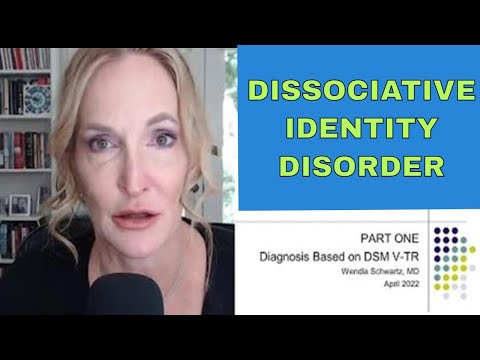
Okay, so let’s chat about Dissociative Identity Disorder, or DID for short. It’s one of those mental health topics that can get a bit tricky, you know?
You might have seen it in movies or read about it in books. But like, real-life DID is often way more complex than what Hollywood dishes out.
So, what’s the deal with this disorder? Basically, it’s all about how some folks experience their identities breaking up into different parts. It can sound wild, but it makes sense in a lot of ways when you think about it.
In the DSM-5-TR—yeah, that big manual that mental health folks use—DID gets its own special spotlight. We’ll dig into how it’s defined and what that really means for people living with it.
Let’s unravel this—together!
Understanding Dissociative Identity Disorder: Is It Included in the DSM-5 TR?
Dissociative Identity Disorder, or DID for short, is one of those topics that can sometimes seem a bit mysterious or misunderstood. If you’re curious about whether it’s included in the DSM-5 TR, the answer is a big yes. The DSM-5 TR stands for the Diagnostic and Statistical Manual of Mental Disorders, Fifth Edition, Text Revision. This manual is sort of like the bible for mental health professionals; they use it to diagnose mental health conditions.
So, what exactly is DID? It involves a person experiencing two or more distinct identities or personality states. Each of these identities might have its own name, age, history, and characteristics. You might see this played out in movies and TV shows a lot, but real-life experiences are often way more complex than what you see on screen.
Now here’s the important part: In the DSM-5 TR, DID falls under the category of dissociative disorders. This category also includes other conditions where there’s a disruption in a person’s consciousness. It’s like your mind takes a vacation without your consent!
Key points about DID:
- Distinct Identities: People with DID can switch between different identities or personality states; they may not even be aware when this happens.
- Memory Gaps: Individuals might experience gaps in memory about everyday events or personal information because different identities have their own recollections.
- Trauma Connection: Most often, DID is linked to severe trauma during early childhood—like abuse or neglect—so it serves as a coping mechanism.
I remember talking to someone who had been diagnosed with DID. They explained how sometimes they’d wake up feeling completely different than they had gone to bed—like their whole personality had done a flip. That kind of switch can be super disorienting.
The DSM-5 TR has criteria that must be met for someone to be diagnosed with DID. It’s not just about having multiple personalities; there are specific assessments that help mental health professionals make sure they’re making an accurate diagnosis.
One big change in thinking over time? There used to be skepticism around whether DID was even real! But now it’s recognized as a legitimate and serious condition.
So if you ever hear someone discussing Dissociative Identity Disorder and its inclusion in the DSM-5 TR, know there’s scientific backing behind it! Understanding these complexities helps us foster compassion towards those dealing with such challenging experiences.
Exploring the Effects of Gabapentin on Dissociation: Can It Provide Relief?
Dissociation is a pretty complex topic. You know, it can feel like you’re not entirely in your body or that things around you aren’t real. It’s often linked to trauma and can be part of conditions like **Dissociative Identity Disorder (DID)**. And that’s where stuff like **Gabapentin** comes into play.
Gabapentin is primarily prescribed for nerve pain and seizures, but some folks also find it helpful for anxiety and other mood-related issues. But what about its effects on dissociation?
1. Understanding Dissociation
Dissociation isn’t just about zoning out or daydreaming. It’s more than that—it’s a defense mechanism, often triggered by stress or trauma. Imagine being at a family gathering, everyone laughing, but you feel completely disconnected, watching yourself from the outside. It can be scary and isolating.
2. Gabapentin and its Mechanism
So, Gabapentin works by affecting certain neurotransmitters in the brain—basically those little messengers that help transmit signals between your brain cells. This can lead to a calming effect, which might help reduce some of the anxiety tied up with dissociative experiences.
3. Anecdotal Evidence
I’ve heard stories from people who say that after starting Gabapentin, they felt less floaty and more present during everyday activities. One person told me how they used to feel like they were watching their life on a screen but noticed it got better with Gabapentin—as if someone turned up the brightness on their reality.
4. Limitations of Gabapentin
But here’s the thing: while it may help with symptoms for some people, it doesn’t fix the underlying issues causing dissociation. It’s not a magic pill! Many mental health pros recommend using therapy alongside medication for better results.
5. Personalization is Key
Everyone’s experience with dissociation and treatment can be different; so what works wonders for one person might not do much for another. That’s why working closely with a healthcare provider is super important—they can help tailor an approach that suits you best.
In summary, while there are reasons to consider Gabapentin for managing some aspects of dissociation, keep in mind it’s just one piece of the puzzle. If you’re dealing with DID or intense dissociative experiences, therapy should also be part of your strategy to find relief and build awareness around those feelings you’re having.
Have any questions about this stuff? Feel free to ask!
Understanding Dissociative Identity Disorder: Can Individuals Hear Their Alters?
Dissociative Identity Disorder (DID), formerly known as Multiple Personality Disorder, is a pretty complex condition. It involves a person having two or more distinct identities or personality states, often referred to as “alters.” Each of these alters can have their own thoughts, memories, and behaviors. But a big question many people wonder about is whether individuals with DID can hear their alters.
First off, it’s important to clarify that every person with DID experiences it differently. For some folks, the alters can communicate with each other and the person themselves. It’s kinda like having voices in your head, but not in a scary way at all. Many describe it as if they’re hearing different parts of themselves talking.
Communication between alters happens through various means. Sometimes they can “talk” directly to each other in what feels like an internal dialogue. Other times, one alter might not even realize when another is in control. Like, imagine you’re having a conversation with someone on the outside while someone else completely different takes over without you knowing—it’s wild but true!
- Internal awareness: Some people report being aware of their alters’ presence and even hearing them talk.
- Amnesia: On the flip side, others experience gaps where they have no recollection of what another alter has done or said.
- Distinct personalities: Each alter might have unique characteristics—different ages, names, genders—which influences how they interact.
Imagine Sarah; she’s got three main alters—let’s call them Jane, Mike, and Lily. When Jane is out doing her thing at work, she may feel Mike chime in during stressful moments or completely shut him out when she needs focus. That back-and-forth can sometimes lead to confusion for Sarah when she switches back and realizes she missed a whole hour of her life!
Another thing worth mentioning is that trauma usually plays a crucial role in developing DID. Most folks with this condition report having experienced severe emotional or physical trauma during childhood—stuff that’s just too overwhelming for one single identity to handle alone.
Sometimes people think that only certain alters are audible while others are silent—and that holds true for many individuals experiencing DID. Certain alters may choose to remain quiet or aren’t ready to communicate due to past traumas.
In terms of treatment for DID, therapy plays a vital role here! Therapists often help individuals navigate these conversations among their alters and foster cooperation between them—which can lead to better integration over time.
So look: understanding how dissociative identity disorder works isn’t just about labeling something weird; it’s about recognizing the unique ways our minds cope with deep-seated pain and complexity of identity! If you know someone dealing with this or if you are yourself—remember: it’s okay to seek support and have those tough conversations!
Alright, so let’s chat about Dissociative Identity Disorder (DID) and how it sits in the DSM-5-TR, which is just fancy talk for the Diagnostic and Statistical Manual of Mental Disorders, Fifth Edition, Text Revision. This manual is like the go-to book for mental health pros when they’re figuring out what’s going on with a patient. But before we get into the nitty-gritty, let’s break down what DID really is.
You know how sometimes you might zone out during a long meeting or get lost in thought while driving? That’s kind of dissociation—your brain takes a little vacation from reality. Now, imagine that feeling taken to an extreme level where someone has distinct identities or personality states that take control at different times. Each part might have its own name, history, and even way of speaking. It sounds wild, but for those living with DID, it’s a very real experience.
I remember chatting with a friend who had been through some serious trauma in childhood. She shared how sometimes she’d feel like an entirely different person when triggered by certain memories. It wasn’t just her emotions that changed—it was how she viewed her whole reality. It was heartbreaking and eye-opening to hear her describe it like flipping through channels on a TV where each channel showed a different person who lived inside her.
In the DSM-5-TR context, DID is categorized under Dissociative Disorders. They’ve worked hard to make sure that it’s recognized properly because misunderstanding this condition can lead to stigma and misdiagnosis. The symptoms include not just having these distinct identities but also experiencing memory gaps or time loss around those identity switches—like blank spots in your memory where nothing makes sense.
What brings on this kind of disorder? It often stems from overwhelming trauma during formative years—think abuse or neglect—where the mind essentially copes by creating these separate identities as protective mechanisms. In a way, these parts can help surviving intense experiences that might be too painful for one self to handle all at once.
It’s interesting how our understanding evolves over time too. The DSM has been getting more nuanced in its definitions and descriptions as we start recognizing people’s lived experiences better. Like my friend taught me—it’s not just about what’s happening on the surface; it’s about digging deeper into how all these parts interact within someone’s life.
While we’re making strides in understanding disorders like DID better, there’s still so much work to be done regarding awareness and support for those experiencing it. Breaking down barriers can help people feel less isolated and more understood when they open up about their experiences—the more we talk about it openly like this, the less stigma there will be around mental health conditions.
So yeah, exploring something complex like Dissociative Identity Disorder within the framework of the DSM-5-TR really opens up conversations about empathy and compassion for those navigating their unique realities every day. It’s crucial stuff!