You know that feeling when your mind just won’t quit? Like, it’s racing at a hundred miles an hour, and you can’t keep up? Well, for a lot of adults, that’s just a normal day.
ADHD isn’t just a kid thing. Seriously, it’s super common for adults to deal with it too. You might be thinking, “Wait, I thought that was just for kids!” But nah, it can stick around long after recess is over.
So what does the DSM say about ADHD in grown-ups? Let’s break it down together. It’s not as dry as it sounds! We’re gonna look at the criteria—the things you gotta hit to get that diagnosis—and what all this means for living life with ADHD.
Stick around! This is gonna be kinda eye-opening. Maybe even relatable.
Understanding the DSM-5 Criteria for Adult ADHD: A Comprehensive Guide
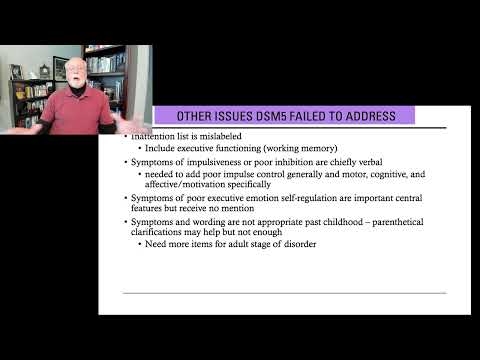
The DSM-5, which stands for the Diagnostic and Statistical Manual of Mental Disorders, Fifth Edition, is like this big book that helps professionals figure out what’s going on with people’s mental health. If you’re looking at **Adult ADHD**, it lays out some specific criteria to help understand if someone might have this condition.
So let’s break it down for you. Basically, ADHD stands for Attention-Deficit/Hyperactivity Disorder. It’s not just about being hyper or not focusing; it’s way more complex than that.
To be diagnosed with Adult ADHD according to the DSM-5, a person must meet certain criteria. Here’s what they typically involve:
- Inattention: This can show up as trouble paying attention in conversations, easily getting distracted by outside stimuli or unrelated thoughts. Like, imagine trying to read a book but ending up staring at every little noise outside!
- Hyperactivity and Impulsivity: Even in adults, this might look like fidgeting or feeling restless. You might find yourself interrupting others during a conversation because you just can’t help it.
- Symptoms Present Before Age 12: For an official diagnosis, symptoms need to have appeared before turning 12. Sometimes symptoms are overlooked in kids but catch up with them later on in life.
- Symptoms Affect Daily Life: These symptoms should significantly impact functioning in social situations, work settings, or relationships; like missing deadlines because you forgot to plan your time.
But here’s the kicker: you can’t just have one or two of these symptoms occasionally – they should be persistent and noticeable over time.
You know that feeling when your mind is racing and jumping from one thought to another? That can be a daily struggle for many adults with ADHD. One friend told me how she’d start working on her project but then end up cleaning her entire kitchen instead! Totally relatable – distractions are real!
Also important: these symptoms shouldn’t better fit another mental health disorder, which means your psychiatrist will often check for other conditions first.
So yeah, if you think this sounds familiar or you’ve noticed these issues affecting someone’s life significantly—getting assessed by a professional could help sort it out! It’s not about putting a label on someone; it’s about understanding them better and finding strategies to cope.
Remember, many people live with Adult ADHD and manage it successfully with the right support!
Understanding Adult ADHD Diagnosis: How Psychologists Assess Attention Deficit Hyperactivity Disorder
Sure! Let’s talk about understanding how psychologists figure out if someone has adult ADHD. First off, ADHD stands for Attention Deficit Hyperactivity Disorder, and it’s not just something kids deal with. Many adults face it too, but it can look quite different in grown-ups.
Getting Started with the Diagnosis
So, how does this whole diagnosis thing work? Well, the psychologist usually starts with a thorough assessment. This means they’ll ask a lot of questions—like a detective piecing together clues. They want to understand your behavior across various situations: work, home life, relationships. You know? It’s not just about being a little scatterbrained.
Criteria from the DSM-5
Now, the American Psychiatric Association has this book called the DSM-5 (that’s the Diagnostic and Statistical Manual of Mental Disorders). It has specific criteria for diagnosing ADHD in adults. Here are some things they look at:
- Inattention: Do you often make careless mistakes in work or other activities?
- Lack of focus: Are you easily distracted by extraneous stimuli?
- Forgetfulness: Do you frequently forget to do chores or keep appointments?
- Hyperactivity and Impulsivity: Although these decrease with age, do you find yourself restless or unable to wait your turn in conversations?
You might relate to some of these symptoms. For example, maybe you’re always misplacing your keys or zoning out during meetings. You’re not alone in that!
The Importance of History
Now here’s an interesting part: the psychologist will dig into your history. They’ll want to know if these symptoms have been around since childhood—because ADHD starts young! They might even talk to family members to get their perspective. Like, “Have you noticed she was always fidgeting in school?” This helps them see patterns over time.
The Role of Tests and Evaluations
Sometimes, tests come into play too. There are questionnaires that help measure attention levels and impulsivity traits. While these tests aren’t everything, they can provide good insight into your behaviors compared to normal ranges.
Taking Everything Into Account
But here’s where it gets tricky: other conditions can look like ADHD! Things like anxiety or depression can mimic those symptoms too. A skilled psychologist is key here—they’ll rule out other issues before landing on an ADHD diagnosis.
The Final Verdict
Once all that info is gathered, the psychologist will take their time going through everything like a puzzle. They’ll provide feedback based on what they’ve learned from interviews and tests combined with DSM-5 criteria.
Just imagine getting results back after all that waiting! It could bring clarity or confusion depending on what it says but having an actual diagnosis means you can start figuring out next steps—like therapy options or coping strategies.
In short (pun intended!), understanding adult ADHD involves careful assessment by professionals who truly get how complex our minds are. Recognizing those differences really matters because everyone deserves support on this wild ride called life!
Understanding the Gold Standard for Diagnosing ADHD in Adults: Key Insights and Methods
Alright, so let’s get into it. You probably know that ADHD, or Attention-Deficit/Hyperactivity Disorder, isn’t just a kid thing. Seriously, adults can have it too! But diagnosing ADHD in adults can be kinda tricky. This is where the Gold Standard for diagnosing ADHD comes into play.
The diagnosis is usually guided by the DSM-5, which stands for the Diagnostic and Statistical Manual of Mental Disorders, Fifth Edition. This book is like the ultimate guide used by mental health professionals to diagnose various conditions, including ADHD. So what does it say about adults? Let’s break it down.
- Symptoms Must Be Present Since Childhood: To get diagnosed as an adult, the symptoms have to have shown up before age 12. Even if you weren’t diagnosed as a kid, your history matters. Maybe you were that kid who couldn’t sit still in class or lost everything constantly.
- Two Categories of Symptoms: The DSM breaks ADHD symptoms into two main categories: inattention and hyperactivity/impulsivity. You might feel like you’re daydreaming during meetings (inattention), or maybe you’re that person blurting out answers at the wrong time (impulsivity).
- The Severity of Symptoms: To meet the criteria for diagnosis, your symptoms must significantly impact your life—like at work or in relationships. If you’re finding it really tough to finish projects or keep appointments because your brain’s all over the place, that’s relevant!
- Sociocultural Factors: It’s also important to consider cultural and social factors in your life. What might seem like inattentive behavior could be influenced by stressors unique to your environment.
The assessment usually involves talking with a professional who’ll ask a lot of questions and might use checklists or questionnaires to dig deeper into your experiences. It’s more than just filling out a form; it’s about understanding how these symptoms show up in real life.
You might even find yourself reflecting on past experiences during this process, which can feel pretty emotional. Like remembering how frustrated you felt as a kid when trying to focus on homework while everything around you seemed like a distraction bomb went off!
A key aspect here is ruling out other conditions—sometimes anxiety or depression can mimic some ADHD symptoms. That’s why a thorough assessment matters so much! It’s not about slapping a label on you but understanding what’s really going on.
If ADHD gets diagnosed, treatment often includes therapy (like cognitive behavioral therapy) and sometimes medication—though that’s definitely not one-size-fits-all! Everyone’s different; what works for one person might not work for another.
A big takeaway? If you’re wrestling with focus issues as an adult but haven’t looked into it yet, maybe give it some thought. There’s support out there! Understanding these symptoms can lead to better coping strategies or even help improve your daily life significantly.
The whole journey from suspicion to diagnosis isn’t always easy—it requires introspection and often patience—but getting clarity can be super empowering.
So, when we talk about ADHD, or Attention-Deficit/Hyperactivity Disorder, it’s kind of a mixed bag, you know? A lot of people think it’s just something kids deal with. But the truth is, it can stick around into adulthood. The DSM, which is basically the guidebook for diagnosing mental health issues in the U.S., lays out some criteria for adults with ADHD, and it can be a bit of a rollercoaster to navigate.
First off, adults need to show symptoms that started in childhood. That’s right; they don’t just pop up out of nowhere during your midlife crisis or something! You might find yourself daydreaming during boring meetings or losing track of what you’re doing every five minutes. It’s like having a million tabs open in your brain at once. And honestly? It can feel completely overwhelming.
There are two main types of symptoms: inattention and hyperactivity-impulsivity. For some folks, the inattentiveness is more pronounced. So they may struggle with organizing tasks or following through on projects. I once had a friend who always seemed to be working on three different projects but never quite finished any of them—seriously frustrating! And then there are those who have more hyperactive tendencies—always on the go and having trouble sitting still. I mean, picture someone bouncing their leg up and down while trying to listen to yet another dull meeting.
But here’s where things get tricky: not everyone fits neatly into those categories. Some people might show up with combined symptoms that make diagnosis more complex. It was interesting chatting with one adult diagnosed later in life—they had spent years thinking they were just “lazy” or “bad at managing time.” They felt relieved when they finally got answers but also frustrated at the lost time spent struggling.
Another big part of the DSM criteria involves these symptoms interfering with daily life—work, relationships, responsibilities—you name it. So if you’re constantly forgetting appointments or interrupting conversations because your brain is racing ahead, it’s not just inconvenient; it can seriously mess with your quality of life.
And while diagnosis can feel like this huge burden lifted off your shoulders sometimes—a way to finally understand what you’re dealing with—it also opens up discussions about treatment options too: therapy styles ranging from cognitive behavioral approaches to medication options that help balance things out.
In all honesty? Figuring out if you fit within these criteria isn’t always straightforward, and going through that process can be emotional and exhausting—like standing at the edge of a cliff wondering if you should jump or back away slowly! But getting clarity? That’s worth it if it helps you find strategies that actually work for you in everyday life.
So yeah, navigating ADHD as an adult isn’t just a checklist—it’s this whole experience tied together by your unique story and how all those pieces play together as part of being human.