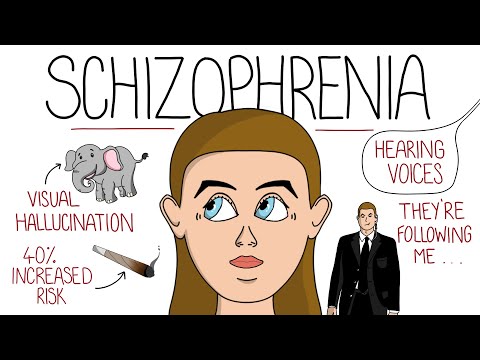
So, let’s chat about schizophrenia. It’s one of those terms that just pops up in conversations, but honestly, there’s a lot more to it.
People often have a bunch of misconceptions. Like, what it really is and how it shows up in someone’s life can be a bit confusing.
Basically, it’s classified in this thing called the DSM, which is like a big book for mental health pros. But trust me, it’s not just some boring list—it’s super important for understanding what someone might be going through.
You know how you can feel totally out of touch with reality sometimes? Imagine that feeling cranked up to eleven. That’s kind of what schizophrenia can be like for folks dealing with it. So yeah, let’s break this down together!
Understanding F20.9 in the DSM-5: Insights into Schizophrenia Diagnosis
It’s crucial to understand what F20.9 signifies in the DSM-5 when it comes to schizophrenia. Basically, this code is used to categorize schizophrenia, a complex mental disorder that can deeply impact a person’s thinking, feeling, and behavior.
Schizophrenia is often characterized by symptoms that can be severe and disruptive. Think of things like delusions (false beliefs), hallucinations (seeing or hearing things that aren’t there), and disorganized thinking. When someone gets diagnosed with this condition, it can feel overwhelming for them and their loved ones.
Now, let’s break down some key points about F20.9:
- No specific subtype. F20.9 indicates a diagnosis of schizophrenia without specifying any subtype. In the past, subtypes existed like paranoid or catatonic schizophrenia. Now, the DSM-5 focuses more on symptoms rather than rigid categories.
- Chronic condition. Schizophrenia isn’t something that simply goes away after a few weeks or months. It’s generally considered a chronic condition that requires ongoing treatment and support.
- Affects daily life. The impacts of schizophrenia on someone’s daily life can be huge—making it tough to keep up with work, relationships, or even basic self-care activities.
- Treatment options matter. Although there’s no cure for schizophrenia, treatment often includes medication and therapy. Finding the right balance can help many people manage their symptoms effectively.
A friend of mine once shared her experience with her brother who had been diagnosed with schizophrenia under the F20.9 label. Initially, their family felt lost in understanding what this meant for him and for them as well. They learned over time that compassion and patience were key as they navigated conversations about delusions he faced or the struggles he had at work.
So what does this mean for those affected? Having an understanding of this diagnostic code can help family members better support their loved ones who may feel isolated or misunderstood due to their symptoms.
Recognizing the nuances in the diagnosis can empower people dealing with mental health challenges by helping them articulate their struggles more clearly to healthcare providers and loved ones alike.
In sum, F20.9 represents an important label in understanding schizophrenia but doesn’t define a person entirely—you know? Each story is unique just like each person affected by this disorder is unique too!
Understanding the Classification of Schizophrenia: Types, Symptoms, and Diagnosis
Schizophrenia can sound super scary, but breaking it down helps us understand it better. It’s one of those mental health conditions that the DSM (Diagnostic and Statistical Manual of Mental Disorders) dives into pretty deeply.
Types of Schizophrenia have evolved over time. In the DSM, we primarily focus on a few key types, even though the latest edition has kinda shifted away from strict categories. They recognize that symptoms can vary a lot from person to person. Still, you might hear about:
Symptoms are where things get complex—this isn’t just about strange behavior. The DSM outlines both positive and negative symptoms.
Positive symptoms include things that shouldn’t be there but are—like hallucinations, where someone hears or sees things that aren’t real, and dellusions, which are strong beliefs in things that aren’t based on reality (like thinking you’re a celebrity).
Negative symptoms refer to what’s missing; people might withdraw from social situations or show little emotion—this is tough because it can look like flatness or lack of interest in anything.
Diagnosing schizophrenia isn’t a one-and-done thing; it usually takes some time and observation. Mental health pros will look at how long someone has had these symptoms—typically for at least six months—and how they impact their daily life. Sometimes they’ll run tests to rule out other possible issues.
And let’s not forget: getting diagnosed isn’t just about ticking boxes; it’s also about understanding the person behind those symptoms—what they’re going through in their life makes a big difference too!
So yeah, schizophrenia is tricky but not totally incomprehensible. Understanding its types and symptoms helps break down the stigma around it and shows there’s hope for those who face these challenges every day!
Comprehensive Guide to DSM-5 Schizophrenia Criteria: Download the PDF for In-Depth Understanding
Schizophrenia is often misunderstood. It’s not just about seeing things that aren’t there or hearing voices. The DSM-5, which is the manual used by mental health professionals, lays out specific criteria to help identify this complex condition.
So, what are the key criteria for diagnosing schizophrenia? Here’s a breakdown:
- Presence of Symptoms: You need to have two or more of these symptoms for a significant part of one month:
- Delusions: These are false beliefs. For example, someone might think they have superpowers.
- Hallucinations: This usually means hearing voices that others can’t.
- Disorganized thinking: This makes it hard for someone to communicate clearly.
- Grossly disorganized or abnormal motor behavior: This can be anything from agitation to catatonia, where they don’t move at all.
- Negative symptoms: These refer to a decrease in emotional expression or motivation. Imagine someone who used to love hanging out with friends but suddenly isolates themselves.
- Duration: Symptoms must persist for at least six months. It can’t just be a brief episode; it’s gotta stick around longer than that!
- Deterioration: The disturbance needs to cause some level of dysfunction in work, relationships, or self-care. Someone may struggle to keep a job or maintain friendships.
- Exclusion of other disorders: The symptoms shouldn’t be better explained by another mental disorder or the effects of substance use like drugs or alcohol.
- Affecting daily life: Schizophrenia isn’t just an inconvenience; it seriously disrupts life and functioning. You might have seen movies that portray characters struggling with their reality—it’s often rooted in genuine experiences people face.
Now let’s chat about differential diagnosis. This is basically making sure nothing else explains what’s going on. Sometimes you might see similar symptoms in conditions like bipolar disorder or schizoaffective disorder. That’s why professionals take their time before jumping into a diagnosis.
It’s also worth noting that schizophrenia usually surfaces in late adolescence or early adulthood, but anyone can experience it later on too. Picture someone who was doing fine—great job, good friends—but then they start acting differently and withdrawing from life. That change can be super concerning.
And if you’re curious about treatment options? Well, they’re as varied as the symptoms themselves! A mix of antipsychotic meds and therapy often works best for many folks dealing with this condition.
If you’re looking for more resources or information on this topic—like maybe those official PDFs—you’ll want to check out reputable sites dedicated to mental health info.
So yeah, understanding schizophrenia through the DSM-5 lens helps demystify some aspects of this complex condition, doesn’t it? It shows how important it is to see people beyond their symptoms—they deserve compassion and support too!
You know, when we talk about schizophrenia, it’s like stepping into a really complex world. The DSM, or Diagnostic and Statistical Manual of Mental Disorders, is kind of the go-to book for mental health pros. It helps them diagnose all sorts of conditions, including schizophrenia. But honestly, it’s not just about checking off boxes on a list; there’s so much more to it.
Schizophrenia is classified in the DSM as a severe mental disorder that affects how someone thinks, feels, and behaves. Basically, people with this condition might experience hallucinations or delusions. It can feel like they’re living in their own reality while everyone else is in another one. I once heard about a guy named Mike who talked to people who weren’t even there. He was convinced they were giving him life advice—like he really believed it! When he got help and started treatment, things changed for him.
The thing is, the DSM details various symptoms and criteria for diagnosing schizophrenia. It helps clinicians figure out what’s going on in someone’s mind. But sometimes it feels like a lot of focus is on symptoms rather than the person themselves. You know? Like they could be seen as just a checklist instead of an individual with hopes and dreams.
Another aspect to consider is how stigmatized schizophrenia can be. Even in professional settings, words used in the DSM can contribute to misconceptions. A person might hear “schizophrenia” and immediately think of that outdated stereotype from movies or shows. That kind of framing doesn’t do anyone any favors.
And don’t even get me started on how different cultures view mental health! What might be considered a symptom in one culture could be perfectly normal behavior in another. That makes diagnosis challenging—it needs to be approached with sensitivity.
Ultimately, while the DSM classification helps us understand schizophrenia better scientifically and provides some structure for treatment options, we can’t forget the human side of things. Every person living with this condition has their own story; they aren’t just their diagnosis or what fits into a manual.
So yeah, it’s complicated but also really important to consider all these angles when thinking about schizophrenia—both from an academic perspective and from simply being human.