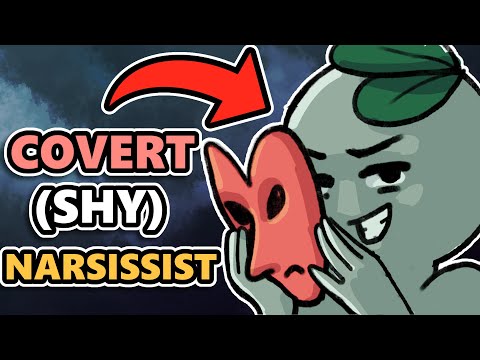
So, let’s talk about something that sneaks up on you: covert narcissism. It’s like that friend who always seems supportive but somehow makes it all about them, you know?
You might have heard of narcissism before – the loud, flashy kind. But covert narcissism? That one’s a bit more subtle.
It can mess with your head without you realizing it. You think you’re dealing with someone who’s just shy or really sensitive. But, surprise! There may be a whole lot more going on beneath the surface.
In this piece, we’re diving into what covert narcissism looks like and how it’s even recognized in the DSM—yeah, that big ol’ book that mental health pros use.
Let’s figure this out together and maybe spot some of those hidden traits along the way!
Understanding Covert Narcissism: Key DSM-5 Criteria Explained
Covert narcissism, man, it’s like the sneaky cousin of the classic narcissist we often hear about. It’s not as flashy but trust me, it can be just as damaging. So, let’s break down what this means and how it fits into the DSM-5 criteria.
First off, **the Diagnostic and Statistical Manual of Mental Disorders (DSM-5)** is the go-to guide for mental health professionals in the U.S. It outlines specific criteria for various mental health conditions, including Narcissistic Personality Disorder (NPD). Covert narcissism doesn’t have its own separate category but shares some traits with NPD.
One key thing to know is that covert narcissists are usually characterized by a lack of empathy. They might seem sensitive and introspective, but deep down, they often struggle to understand or consider other people’s feelings. You might find them complaining about their own problems frequently without realizing you have your own stuff going on. It’s like they’ve got blinders on.
Here are some key traits of covert narcissism according to DSM-5:
- Grandiosity: Not in an obvious way like overt narcissists. It could show up as feelings of superiority or belief that they’re special—but again, this might be hidden behind a mask of vulnerability.
- Need for admiration: Covert narcissists crave validation but often do it subtly. They don’t just boast; they fish for compliments or act hurt when others don’t acknowledge their achievements.
- Lack of empathy: As mentioned before, this is huge! They tend to overlook others’ emotions while obsessing over their own hurts.
- Envy: They’re great at feeling envious when somebody else succeeds or gets attention. This can lead them to belittle others silently.
- Arrogance: Even if it’s buried beneath insecurity, there’s often an underlying feeling that they’re somehow better than those around them—just masked under self-pity.
Now let’s talk a bit about how these traits play out in everyday life. Picture someone who constantly brings up their struggles in conversations—like how hard life is for them—but barely scratches the surface when you share your news or challenges. That can be a sign! Their emotional responses are often centered around how things affect *them*, leaving you feeling unheard or inadequate.
Another big part? Relationships can be tricky with covert narcissists because they often play the victim while expecting others to support them emotionally without really reciprocating that support themselves. Like standing there waiting for applause after a mediocre performance instead of appreciating everyone else who contributed behind the scenes.
In summary, covert narcissism can creep into various aspects of life: friendships, work environments, and even family dynamics. Recognizing these traits requires paying close attention to behavior patterns over time rather than just one-off incidents. If someone you know tends more toward these hidden traits rather than loud declarations of self-importance, you’re probably dealing with covert narcissism.
Understanding this stuff isn’t just about labeling people; it helps us create healthier boundaries and improve our relationships—making sure we don’t end up lost in someone else’s emotional maze!
Understanding Covert Narcissism: What Behaviors Might Be Confused with It?
Understanding covert narcissism can be a bit tricky, especially because it’s often overshadowed by its more boisterous counterpart, overt narcissism. Basically, covert narcissists come off as shy or reserved but still have an underlying need for admiration and validation. Their behaviors might seem confusing at first glance.
So, what behaviors could be mistaken for covert narcissism? There are several traits that may seem similar at first but aren’t actually indicative of this personality style. Here are a few to consider:
- Social Anxiety: Someone with social anxiety might avoid interactions and feel self-conscious, but it’s out of fear rather than a desire for attention like a covert narcissist.
- Introversion: Introverts recharge their batteries alone and don’t necessarily need to seek praise from others. Covert narcissists may still crave acknowledgment but express this in more subtle ways.
- Depression: People dealing with depressive symptoms might have low energy and poor self-esteem. While there can be overlaps with the self-pity often seen in covert narcissism, depression is typically rooted in deep sadness rather than the pursuit of admiration.
- Mild Self-Absorption: Everyone has moments where they focus on their own issues—it’s human! But a covert narcissist’s self-focus is more pervasive, leading them to consistently feel underappreciated or victimized.
- Emotional Sensitivity: Some individuals are highly sensitive or empathetic, which can sometimes look like the hyper-sensitivity of a covert narcissist. The big difference? Empaths genuinely care about others’ feelings while a covert narcissist might only use that sensitivity to gain sympathy for themselves.
Now let’s talk about how these traits manifest in real life. Picture this: you’re chatting with someone who seems really withdrawn at parties. You think they’re just shy or introverted, right? But then you overhear them making subtle digs about how nobody appreciates their unique perspective or how they always get overlooked. That’s where it starts to get fuzzier.
People often misinterpret these moments as simple insecurity when they could hint at something deeper going on—like the covert need for validation masked by introverted behavior. It’s like walking through fog; everything’s unclear until you step closer.
Recognizing these patterns isn’t always easy because people tend to wear masks that fit into social norms. What’s crucial is understanding that while everyone may show some of these traits now and then, consistent patterns of behavior over time help clarify whether someone might be grappling with covert narcissistic tendencies or just wrestling with typical human emotions.
So yeah, it’s all about context! Being aware of different emotional experiences helps unravel the complexity behind behaviors we encounter every day. Give yourself permission to wonder—what’s really going on beneath the surface when you notice these actions? That curiosity can lead you towards understanding both yourself and those around you better!
Recognizing Covert Narcissism: Subtle Signs You Should Not Ignore
Covert narcissism can be pretty tricky to spot. Unlike the more obvious, grandiose narcissists who crave attention and admiration, covert ones often hide behind a mask of humility or even vulnerability. But don’t let that fool you; they can still cause some serious emotional damage. You see, these folks usually have a fragile self-esteem, and they express their need for validation in much sneakier ways.
One of the key signs to watch for is **emotional manipulation**. They can make you feel guilty or responsible for their feelings. For instance, if they say something like, «I guess I’m just too sensitive for this world,» it might make you feel like you should cater to their emotional needs, even when it’s draining you.
Another thing is **passive-aggressive behavior**. Instead of confronting issues head-on, they’ll drop hints or make snide comments that leave you guessing. Imagine being at a party and hearing them say something like, «Oh wow, I didn’t expect anyone else could wear that outfit,» instead of saying what they really mean. It’s all about creating confusion.
Also, keep an eye out for **playing the victim**. Covert narcissists often portray themselves as the misunderstood underdog who’s always suffering from external circumstances. You might hear them say things like, «No one understands how hard my life is.» This can lead others to rally around them while completely ignoring their toxic tendencies.
Entitlement is another sneaky sign too! They might not openly demand special treatment but will express frustration when things don’t go their way or when they feel overlooked in social situations. This sense of invisibility fuels their resentment and makes them lash out indirectly.
They also tend to **devalue others**, especially those they’re jealous of or who threaten their fragile self-image. If a friend succeeds in something big, instead of congratulating them, a covert narcissist might say something like “That’s nice for you… but really? Was it that impressive?” It’s a way to bring others down without showing overt hostility.
And let’s not forget about **lack of empathy**. Not being able to understand or connect with others’ feelings is huge here! You might share your struggles only to hear back something dismissive like, “You think that’s bad? Try walking in my shoes!” It’s all about them again—it gets exhausting!
One day at work, I watched a colleague deal with someone like this—let’s call her Sarah—who would always seem upset whenever she didn’t get enough acknowledgment while avoiding direct feedback herself. It was painful to see how Sarah drained energy from everyone around her without even realizing she was doing it.
Recognizing these subtle signs of covert narcissism is no walk in the park—you can’t just slap a label on someone after one encounter. But if you’re experiencing multiple traits consistently over time with someone close to you—or even just regularly interacting—you might need to set stronger boundaries for your mental well-being.
In short:
- Emotional Manipulation: Making you feel guilty for their feelings.
- Passive-Aggressive Behavior: Indirectly expressing discontent.
- Playing the Victim: Always portraying themselves as misunderstood.
- Entitlement: Frustration when not getting special treatment.
- Devaluing Others: Tearing down those they feel threatened by.
- Lack of Empathy: Unable to connect with others’ emotions.
Being aware of these traits might help protect your mental space from people who thrive on making others unhappy while trying to maintain an innocent facade!
You know, when it comes to personality types, covert narcissism can be one of those sneaky traits that really messes with your head. Unlike classic narcissism, where someone’s all about the show and the ego, covert narcissists hide behind a wall of subtlety. They’re not the loudest in the room, but they can still make you feel pretty small.
I remember a friend of mine, Sarah. She seemed sweet and caring at first glance. But over time, it became pretty clear that she had this underlying need for validation. Every conversation somehow turned back to her struggles or feelings of being misunderstood. It was like an emotional rollercoaster that only she was riding. I found myself supporting her while feeling strangely drained—like I was there to boost her but not getting anything in return.
In DSM terms—that’s the Diagnostic and Statistical Manual of Mental Disorders for those who don’t dabble in mental health jargon—the traits aren’t explicitly labeled as «covert narcissism.» Instead, they often fall under something like Avoidant Personality Disorder or even Dependent Personality Disorder. So basically what you’re looking for are signs like sensitivity to criticism, a tendency to play the victim, and an inflated sense of self-importance that’s hidden beneath layers of insecurity.
But here’s the kicker: because these traits are so quiet and subtle, recognizing them can be tough. You might find yourself second-guessing your feelings as if you’re being overly sensitive or too quick to judge someone who seems vulnerable.
If you’re wondering how to spot these hidden behaviors—maybe in yourself or someone close—it can help to pay attention to patterns in relationships. Do conversations always swing back toward their issues? Is there a lack of real empathy for what you’re dealing with? If you’re feeling weighed down rather than uplifted after interacting with someone, it might be worth taking a closer look at what’s going on.
So while covert narcissism isn’t one of those flashy conditions everyone talks about, its effects can be just as damaging over time. Just remember: it’s okay to put yourself first sometimes and take note when something feels off. Your intuition is valuable!