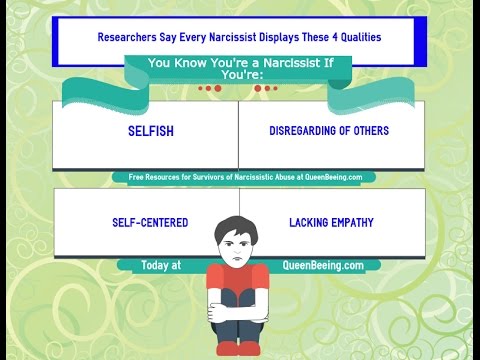
You know, narcissism gets thrown around a lot these days. People act like they’re the experts just because they watched a video or something. But, really, it’s more complicated than that.
So, let’s break it down together. The DSM, which is basically a big book of mental health criteria, has specific signs for narcissism. It’s not just about being self-absorbed—there’s way more to it.
Ever met someone who just can’t seem to see past their own reflection? Yeah, that’s part of it. But there are also layers to this whole thing that make it pretty interesting (and sometimes tough to deal with).
Stick around as we dig into those key points! It’ll help clear up some confusion and maybe even give you some insights into what drives the narcissistic behavior we see in others—or even ourselves!
Understanding DSM-5 Criteria for Narcissistic Personality Disorder: Key Insights and Symptoms
Narcissistic Personality Disorder (NPD) can be a pretty complicated topic, but when you break it down, it gets a bit easier to understand. So, let’s chat about the DSM-5 criteria for this condition.
First off, the DSM-5 is basically the handbook that mental health professionals use to diagnose different mental health disorders. For NPD, there are specific signs and symptoms that someone might display. The criteria look for patterns of behavior and attitudes that really affect how a person thinks about themselves and interacts with others.
To meet the criteria for NPD, an individual must show at least five of the following symptoms:
- Grandiosity: This isn’t just about being confident; it’s feeling superior and better than everyone else.
- Need for admiration: They crave attention and validation. It’s like they need a constant audience to feel good.
- Lack of empathy: They struggle to recognize or care about others’ feelings—it’s all about them.
- Entitlement: They expect special treatment. Like, they think rules don’t apply to them.
- Exploitativeness: Using others to achieve their own goals without feeling guilty or bad.
- Arrogant behaviors: This can come out in how they speak down to people or dismiss others’ contributions.
- Envy: They often believe others are jealous of them or may actually feel jealous of other people’s successes.
So, what does all this mean in real life? Consider someone who constantly talks about their achievements while ignoring their friends’ successes. Imagine a work situation where this person takes credit for team projects but never gives praise back. This is a glimpse into how these traits play out.
A major thing to note is that NPD often coexists with other issues like anxiety or depression. Just because someone shows these narcissistic traits doesn’t mean they’re bad people; it’s more complex than that! Many people develop these traits as coping mechanisms from their past experiences—maybe childhood bullying or strict upbringing.
It’s also worth mentioning that while having strong self-esteem is usually positive, when it becomes excessive and leads to these negative behaviors toward others, it crosses into problematic territory.
Some myths exist around narcissism too. Not everyone who is self-centered has NPD! There’s a big difference between having some narcissistic traits and actually meeting all those DSM-5 criteria.
In dealing with NPD—whether in yourself or someone you care about—therapy can be really helpful. A good therapist will aim not just at understanding these symptoms but also helping nurture empathy and other healthier ways of connecting with people.
So yeah! Understanding NPD through the lens of DSM-5 criteria helps in recognizing patterns we might see in ourselves or loved ones. It’s complicated, but getting familiar with these ideas is an awesome first step toward better mental health conversations!
Understanding the 5 C’s of Narcissism: Key Traits and Insights
Narcissism, as you might guess, isn’t just about someone who loves to look at themselves in the mirror all day. This personality trait is way more complicated and can really mess with relationships and everyday life. The DSM, or Diagnostic and Statistical Manual of Mental Disorders, outlines some key traits that help us identify narcissistic personality disorder (NPD). Let’s break it down using what I like to call the 5 C’s of Narcissism: **Conceit**, **Control**, **Compassion Deficit**, **Communication Style**, and **Cruelty**.
Conceit is probably what pops into your head when you hear “narcissist.” These folks usually have an inflated sense of self-importance. They think they’re special or unique compared to others. Like, if they brag about their achievements, they’re not just proud; they genuinely believe they’re better than most people around them. Ever been in a conversation where someone pivots every topic back to themselves? Classic narcissistic behavior.
Moving on to Control, this is another biggie. Narcissists often want to call the shots. They may manipulate situations or people to maintain their position of power. It’s like they’re playing chess with everyone else as mere pawns. Have you ever tried reasoning with someone who constantly changes the rules? Frustrating, right? That’s how control plays out in real life.
Now let’s talk about Compassion Deficit. This trait can be pretty heartbreaking because it involves a lack of empathy for others. People with NPD may struggle to understand or care about how others feel. Picture a friend going through a tough time and all they can do is turn it back to their own problems. It’s not that they don’t understand emotions; it’s just that theirs take priority.
Next up is Communication Style. This trait usually comes off as boastful and dismissive. Narcissists might dominate conversations, often interrupting or redirecting topics back to themselves again—like an unending cycle of “me, me, me.” Think about trying to share a funny story only for them to turn it into a monologue about their own experience that rivals yours—yeah, annoying!
Finally, we have Cruelty. This one shows up when narcissists behave insensitively or even abusively towards others—whether it’s through belittling comments or manipulation tactics that leave others feeling small or worthless. It’s almost like there’s an invisible line where their need for validation becomes harmful.
In short, understanding these 5 C’s gives insight into the complexity of narcissism beyond just superficial vanity—you know?, like peeling back layers on an onion (not that anyone wants tears involved). While everyone has narcissistic traits at times—it’s human!—having NPD means those traits become pervasive enough to disrupt lives significantly.
If you ever find yourself dealing with someone showing these behaviors consistently, it’s essential to protect your emotional health first and foremost!
Understanding the 9 Criteria for Narcissistic Personality Disorder: A Comprehensive Guide
Narcissistic Personality Disorder (NPD) can be a tough nut to crack. But understanding it is crucial, especially to spot the signs in yourself or someone you know. The DSM-5 lays out nine criteria for diagnosing NPD, and if you hit five or more of these, it might be time to take a closer look.
- Grandiosity: People often have an inflated sense of self-importance. They might boast about their achievements, exaggerating their talents. For instance, someone might claim they’re an expert in something because they read a few articles.
- Preoccupation with Success: There’s a constant focus on fantasies of unlimited success, power, brilliance, or beauty. Imagine someone who daydreams about being the richest person in the world but hasn’t taken any real steps toward that goal.
- Believing They Are Special: Those with NPD often think they’re unique and can only be understood by other high-status people. It’s like they assume everyone else just doesn’t get them. You know that one person at every party who thinks they’re the only artist in the room?
- Need for Excessive Admiration: The craving for constant validation is huge! They might fish for compliments all the time or feel crushed when they don’t get praised.
- Sense of Entitlement: This is when someone expects favorable treatment just because they think they deserve it. Like someone thinking they should cut in line because “they’re way too busy” compared to others.
- Exploitativeness: Many times, people with NPD will take advantage of others to achieve their own goals. It could be as simple as using a friend’s connections without a thought about returning the favor.
- Lack of Empathy: This one’s a biggie! Difficulty recognizing or caring about other people’s feelings often leads to strained relationships. Picture someone ignoring their friend’s struggles because they’re too wrapped up in their own issues.
- Envy: Feeling envious of others or believing that others are envious of them is another red flag. You might hear them downplay someone’s success while secretly wishing it were theirs.
- Arrogance and Haughty Behaviors: A common trait is behaving arrogantly and looking down on people perceived as inferior. Think of that person who always rolls their eyes at anyone not dressed in designer clothes.
You see how these criteria paint a picture? It’s not just about being confident; it’s more layered than that. Each trait adds up to create what can feel like an impenetrable wall around someone’s emotions and relationships.
Recognizing these traits can help make sense of confusing interactions with someone exhibiting them. But remember: spotting one or two does not mean someone has NPD; it’s the overall pattern that matters most! And if this resonates with you personally, talking to a mental health professional could help clarify things more deeply.
So yeah, understanding narcissism isn’t just about what it looks like on paper—it’s about seeing how those traits can ripple out into relationships and daily life!
So, you know how some folks seem to think the world revolves around them? They might have this bigger-than-life personality, but when it comes down to it, they’re often navigating life through a pretty complex lens. That’s where narcissism comes in—specifically, how we talk about it in the mental health world. The DSM, which stands for the Diagnostic and Statistical Manual of Mental Disorders, lays out some specific criteria for diagnosing Narcissistic Personality Disorder (NPD).
Now, don’t get too lost in the jargon! Basically, this manual helps doctors and therapists recognize patterns of behavior that signal deeper issues. Think of it like a guide that helps professionals figure out if someone’s just being a little self-absorbed or if there’s something more going on.
One of the key points to consider is that people with NPD generally have an inflated sense of their own importance. Like, they might really believe they’re special or unique—and often expect others to see them that way too. But here’s the kicker: underneath all that bravado is often a fragile self-esteem. You see, it’s kind of like building a castle on sand; no matter how grand it looks on the outside, there’s a fear just beneath the surface.
A friend of mine had a roommate who fit this bill perfectly. At first, he was charming and always had these grand stories about his adventures. But over time, my friend realized that he couldn’t have a conversation without his roommate turning it back to himself. Honestly? It was exhausting! There were moments where he’d react so harshly to any hint of criticism—it was like poking a bear with a stick. This didn’t mean he was a bad person; he just operated from this warped view of himself and his place in the world.
Anyway, another biggie in those DSM criteria is that people with NPD often lack empathy for others—that means they struggle to understand or care about how other people feel. This can lead to difficulties in relationships; you might be rolling your eyes at their antics one minute and then feeling genuinely sorry for them the next because you realize they may not fully grasp what they’re doing.
To sum things up—or at least try to—narcissism isn’t just about being vain or self-centered; it’s rooted in deeper emotional struggles that can really affect someone’s life and relationships. Being aware of these DSM criteria helps us approach individuals with more understanding rather than just writing them off as «selfish.» After all, at the end of day, everyone deserves some compassion—even when their behavior makes you want to pull your hair out!