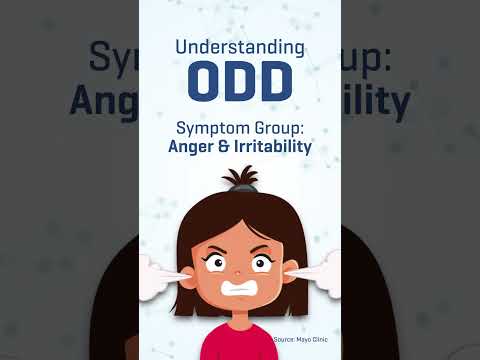
Hey there! So, let’s talk about something that can be a bit, well, tricky to navigate: Oppositional Defiant Disorder—or ODD for short. You might’ve heard the term tossed around in parenting circles or school discussions.
Picture this: you’re at a dinner party and someone mentions their kid is just a handful. They roll their eyes. “Oh, he’s just being defiant!” But what does that really mean?
Sometimes, it’s more than just typical kid behavior. It can be frustrating for parents and teachers alike when these challenging behaviors pop up a lot. First off, it doesn’t mean the kid is “bad.” There’s so much going on beneath the surface.
But you know what? Understanding ODD isn’t just about labeling someone. It’s about digging into what makes them tick and how we can help them feel understood—and get back on track.
So let’s break down those DSM criteria together! You’ll see it’s not just dry jargon; it actually sheds light on real experiences people go through every day.
Understanding the Key Signs of Oppositional Defiant Disorder: A Comprehensive Guide
Oppositional Defiant Disorder (ODD) is something that can really impact kids and their families. If you’ve noticed that a child seems to be constantly challenging authority, it might help to understand the key signs. Basically, ODD is more than just typical childhood behavior; it’s characterized by a pattern of angry, irritable moods, argumentative behaviors, and defiance toward parents and other authority figures.
So let’s break this down a little. According to the DSM-5, which is the manual mental health professionals use for diagnosis, there are specific criteria that must be met for someone to be diagnosed with ODD. Here are some of those key signs:
- Angry Mood: The child often exhibits anger or irritability. They might lose their temper frequently or become easily annoyed by others.
- Argumentative Behavior: Kids with ODD often argue with adults. You know those moments when they’re just looking for a fight over the smallest things? Yeah, that’s not atypical.
- Defiance: These kiddos can refuse to comply with requests or rules from authority figures like teachers or parents. It’s like they have an internal “no” button.
- Bothering Others: They might intentionally annoy people or blame others for their own mistakes or misbehavior. “It wasn’t me!” becomes a common phrase.
- Lack of Friends: Kids dealing with ODD may struggle to make friends because their behavior can push others away.
Now, you might be thinking—aren’t all kids a little defiant sometimes? Absolutely! But what sets children with ODD apart is the **persistence** of these behaviors over time. That means these signs aren’t just phases; they happen consistently and often interfere with schoolwork or relationships.
Imagine this scenario: You tell your kiddo to clean up their room, and instead of just rolling their eyes (which honestly feels pretty normal), they throw themselves on the floor and scream about how unfair life is until everyone’s in tears. That intensity? It’s more than typical defiance.
Also worth noting is that ODD symptoms usually start showing up during early childhood, but they can continue into adolescence if left unaddressed. If you’re starting to see these patterns emerge frequently—like daily argument after argument—it may be time to chat with a professional who can help navigate through these challenges.
In addition, it’s important to mention that ODD often coexists with other issues like ADHD or anxiety disorders. So addressing these problems holistically can make all the difference in helping your child succeed emotionally and socially.
In short, understanding these signs can be a little overwhelming but recognizing them early on gives you the best shot at getting your child support when they need it most. It’s not about labeling; it’s about finding paths forward together as a family!
Understanding ODD: Key DSM-5 Criteria for Oppositional Defiant Disorder
So, let’s talk about Oppositional Defiant Disorder, or ODD. This is a condition that’s often seen in kids and teens. It’s not just about being a little rebellious or testy; it can really affect their daily lives and relationships. We can reference the DSM-5, which is the manual that mental health professionals use to diagnose mental disorders. Here are some key points about ODD based on its criteria from the DSM-5.
First off, one core aspect of ODD is a pattern of angry or irritable mood, argumentative behavior, or vindictiveness lasting at least six months. This isn’t just something kids do when they’re in a bad mood—it’s more consistent behavior you notice over time.
Here are some specific criteria:
- Angry/Irritable Mood: You might see this in kids who often lose their temper, are easily annoyed by others, or even feel angry most of the time. For example, if your child explodes over minor frustrations like not being able to wear their favorite shirt because it’s dirty, that’s something to consider.
- Argumentative Behavior: This means they frequently argue with authority figures or actively refuse to comply with requests. A kid with ODD might challenge teachers or parents constantly, saying “No!” without really thinking it through.
- Vindictiveness: If they show spiteful behavior at least twice during the past six months—like deliberately annoying others for fun—that’s another sign of ODD. For instance, if your kid goes out of their way to bother their sibling just because they can? Yeah, that might be an indication.
Another thing about ODD is that this behavior can lead to issues in social situations. Maybe they struggle to keep friends due to constant conflicts or challenges with peers. It’s not just at home—it spills over into school and other environments too.
Importantly, these behaviors need to be more concerning than typical childhood mischief and should cause significant challenges in multiple settings like home and school. It’s not enough for someone just to act out once in a while; if it disrupts their life regularly and severely impacts how they interact with others, that’s when you’ve got something worth looking into more seriously.
So yeah, if you notice these behaviors consistently over time and across places—like home and school—it could point towards ODD rather than just typical teenage angst or defiance.
Now remember: diagnosing any disorder isn’t about slapping labels on kids willy-nilly; it’s about understanding them better so we can help them thrive. If things are feeling overwhelming, talking with a healthcare professional who understands ODD could be super helpful for both you and the child involved.
Understanding Oppositional Defiant Disorder: DSM-5 Code and Key Insights
Understanding Oppositional Defiant Disorder (ODD) can feel a bit like walking through a maze. There are twists and turns, but it’s all about figuring out the signs and getting a clearer picture of what’s going on. ODD mainly pops up in kids and teens, but it can be tricky to pin down because so much of it looks like, well, just normal teenage behavior.
First off, **what exactly is Oppositional Defiant Disorder?** It’s a condition where a child or teenager repeatedly shows angry mood, irritability, defiance, or vindictiveness toward authority figures. So, if your kiddo is constantly arguing with you or throwing tantrums over the littlest things, this might be more than just typical rebelliousness.
You might be wondering about the **DSM-5 code** for ODD—it’s 313.81. This code helps mental health professionals categorize symptoms and create a treatment plan that fits.
Now let’s talk specifics. The ***Diagnostic and Statistical Manual of Mental Disorders*** (DSM-5) lays out criteria to help diagnose ODD:
- Angry/Irritable Mood: Often loses temper or easily annoyed by others.
- Argumentative/Defiant Behavior: Actively defies authority figures or refuses to comply with rules.
- Vindictiveness: Has been spiteful or vindictive at least twice in the last six months.
- Duration: These behaviors must last at least six months.
But here’s the thing, right? Just because a kid ticks some boxes doesn’t mean they automatically have ODD. The behavior needs to cause problems in different areas of their life—like school or friendships—and be more severe than what you’d expect for their age.
Picture this: maybe you have a 10-year-old who’s always arguing about chores and gets super upset when things don’t go their way. That could look like classic ODD behavior! But if this kiddo just has an off day now and then or is acting out due to stress from school, it’s not necessarily ODD.
Understanding how **ODD develops** can shed light too. It often mixes in with other conditions like ADHD or anxiety disorders. Sometimes it starts with parenting styles that might include too much permissiveness or inconsistent discipline—which can really create chaos.
Also worth noting: **ODD isn’t permanent**! With the right support—like therapy—many kids improve over time. Cognitive-behavioral therapy (CBT) is pretty common; this helps children manage their feelings and reactions better.
In summary, recognizing Oppositional Defiant Disorder isn’t as simple as checking off symptoms on a list; it involves digging deeper into behaviors across different settings in a child’s life. If you’re questioning whether your child shows signs of ODD, reaching out to someone who knows their stuff can really help you navigate through those tricky waters together!
So, let’s chat about Oppositional Defiant Disorder, or ODD for short. You know, it’s one of those diagnoses that can feel a bit tricky. It’s like, how do you know if a kid is just being a typical rebellious teenager or if there’s something more going on?
The DSM (that’s the Diagnostic and Statistical Manual of Mental Disorders, in case you were wondering) has specific criteria to nail down when a child might have ODD. Basically, they look for patterns of angry mood, argumentative behavior, and defiance toward authority figures. It’s not just a phase; it’s more persistent and affects day-to-day life.
I remember this story about a friend who had a nephew that was always getting into trouble at school. He’d argue with his teachers and refuse to follow rules. Everyone thought he was just being bad or difficult. But then they started noticing how he’d act the same way at home—with his parents and even siblings. It wasn’t just a one-off tantrum; there was this ongoing struggle that made things tough for him and everyone around him.
You see, the DSM lays out behaviors that need to be present over six months—like losing your temper frequently or blaming others for mistakes. If that’s happening consistently and it disrupts social situations or academic performance? Yeah, that’s when it raises some red flags.
But it’s also important to remember that diagnosing ODD isn’t just about ticking off boxes on a list. Each kid is unique—what might seem rebellious in one child could be the result of stressors or challenges in another area of their life. So when you’re looking at those DSM criteria, it can be really helpful to consider the bigger picture.
Honestly though? It can feel overwhelming for parents trying to figure all this out. It’s easy to get lost in labels and what they mean while you’re just trying to understand your child better and help them thrive.
At the end of the day, if you think someone you know might be struggling with something like ODD—or really anything mental health-related—having an open conversation with a mental health professional can go a long way. You don’t have to navigate this stuff alone!