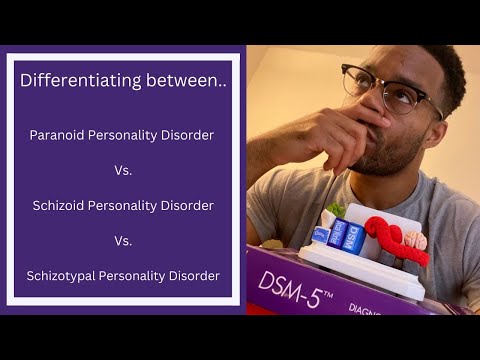
You know, mental health can be a wild ride sometimes. We throw around terms like «schizophrenia,» but what does it really mean? It’s not just a label. It’s super complicated.
Paranoid schizophrenia is one of those things that can sound terrifying. Picture this: imagine living in a world where you feel constantly watched or threatened, even when there’s nothing there. That’s what some people experience daily.
The DSM criteria help professionals figure out what’s going on in someone’s mind. But seriously, understanding these criteria isn’t just for the pros. It can help you, too—whether you’re trying to support a friend or just curious.
So, let’s break it down together. We’ll walk through the symptoms and how they play out in real life, making sense of the whole thing along the way!
Understanding the Removal of Paranoid Schizophrenia from DSM-5: Implications for Mental Health Diagnosis
The decision to remove paranoid schizophrenia from the DSM-5 definitely stirred the pot in the mental health community. You see, for a long time, paranoid schizophrenia was considered a distinct diagnosis, but the folks behind the DSM realized things needed a bit of tweaking. They aimed to simplify things and move towards a more spectrum-based approach to mental health disorders.
So, what’s the deal? Basically, in the past, if someone had symptoms like delusions or hallucinations that were primarily paranoid in nature, they’d get slapped with that specific label. But now? That label’s gone! Instead of breaking it into separate categories, they’re focusing on broad psychotic disorders. This change is all about focusing on symptoms rather than fitting people into rigid boxes.
Here are some implications of this shift:
- Individualized Treatment: Without that strict label of paranoid schizophrenia, clinicians might have more freedom to focus on individual needs rather than sticking to one-size-fits-all treatment plans.
- Stigma Reduction: Labels can stick like glue. The hope is that moving away from specific diagnoses will lessen stigma and promote understanding that everyone’s experience is unique.
- Holistic Understanding: By emphasizing psychotic symptoms instead of one specific type, practitioners can consider a wider range of experiences in their assessments and interventions.
Think about it: If you’ve ever felt like you were labeled too soon or categorized by your worst moments, it can feel really limiting. Imagine feeling you don’t fit neatly into any box when you’re just trying to figure things out!
Of course, this doesn’t mean it’s all sunshine and rainbows. Some worry this change could lead to misdiagnosis or lack of recognition for those who truly need targeted support. And let’s be honest—labels also help in identifying how best to treat someone based on their specific struggles.
In sum, while removing paranoid schizophrenia might have good intentions behind it—like improved treatment and reduced stigma—we still gotta keep our eyes open for potential challenges ahead. It’s an evolving conversation in mental health that’s super important for both providers and folks seeking help. And as always, understanding these shifts helps make sense of what people experience every day—you know?
Understanding the DSM-5 Criteria for Paranoid Schizophrenia: A Comprehensive Guide
Understanding paranoid schizophrenia can be a little overwhelming, but breaking down the DSM-5 criteria helps clarify things. Basically, the DSM-5 (Diagnostic and Statistical Manual of Mental Disorders, Fifth Edition) is a handbook used by mental health professionals to diagnose mental health conditions. Paranoid schizophrenia is one of those conditions, and it has specific criteria that must be met for a diagnosis.
First off, you need to have **two or more** of the following symptoms for a significant part of a month. Here’s what they include:
- Delusions: These are false beliefs that feel very real to the person. For instance, someone might think they’re being followed or conspired against—even if there’s no evidence at all.
- Hallucinations: These involve seeing or hearing things that aren’t there. A person might hear voices that tell them they’re in danger.
- Disorganized thinking: This can manifest as speech that doesn’t make sense or jumping from one topic to another quickly—like trying to follow someone who keeps changing the subject.
- Negative symptoms: This includes a lack of motivation, showing less emotion than usual, or withdrawing from social situations.
Now you might be wondering about **the paranoid part**. In paranoid schizophrenia, delusions and hallucinations are often related to themes of persecution or conspiracy. Think about someone who believes their coworkers are plotting against them—this paranoia can heavily influence how they view their everyday interactions.
Next up, these symptoms need to cause significant impairment in social or occupational functioning. So if someone with these symptoms can’t keep a job or maintain friendships because of their beliefs and experiences, that’s pretty crucial for diagnosis.
It’s also important to note that these symptoms shouldn’t be due to substance use or another medical condition. Sometimes people can have psychotic experiences when they’re using drugs or have certain physical illnesses affecting their brains. That’s why doctors usually rule out other causes first.
Another key factor is how long these symptoms last. For a diagnosis: they should persist for at least six months—not just fleeting moments here and there.
Also worth mentioning is that just because someone exhibits these symptoms doesn’t mean they automatically fall into this category. There are other forms of schizophrenia and related disorders too!
In terms of treatment—once diagnosed—people often find relief through therapy and medication aimed at reducing those intense experiences and helping with daily life.
To sum it all up: paranoid schizophrenia involves complex parameters that require careful consideration by mental health professionals before jumping into any conclusions. It’s not just about feeling paranoid; it’s about how those feelings interact with functioning in daily life—and that’s where things get intricate!
Downloadable DSM-5 Schizophrenia Criteria PDF: Understanding Symptoms and Diagnosis
Sure! When we talk about schizophrenia, especially in mental health practice, it can feel overwhelming. The DSM-5, or the Diagnostic and Statistical Manual of Mental Disorders, is a crucial tool for understanding schizophrenia. It lays out specific criteria that help professionals diagnose this complex condition. Let’s break it down a bit.
Schizophrenia Symptoms: To be diagnosed with schizophrenia, you have to experience a range of symptoms for at least six months. These symptoms can be pretty intense and fall into different categories.
- Positive Symptoms: These are things that are added to your usual experience. Think hallucinations (hearing or seeing things that aren’t there) and delusions (firmly believing things that aren’t true). For example, someone might believe they’re being watched all the time.
- Negative Symptoms: These refer to things missing from your usual emotional responses or behaviors. You might notice reduced emotions, lack of motivation, or not caring about activities you once enjoyed.
- Cognitive Symptoms: This includes issues with memory and attention. Someone may have trouble thinking clearly or making decisions.
Diagnosis Process: So how does someone get diagnosed? Well, it’s not as simple as checking off symptoms on a list. A mental health professional will look at the full picture—your medical history and any family history of mental illness play a big role. They’ll also consider how these symptoms impact your daily life.
Imagine you’re having trouble holding down a job because of your weird thoughts or if you isolate yourself from friends and family due to paranoia. This context helps clinicians understand the severity of what you’re dealing with.
Paranoid Schizophrenia Criteria: Within schizophrenia diagnoses, there’s subtype called paranoid schizophrenia where the main feature is delusions and/or hallucinations with strong themes of persecution or conspiracy. You might constantly feel like someone’s out to get you; maybe you think the government is spying on you through everyday devices—super intense stuff!
Professionals often use these criteria:
- The presence of one or more delusions lasting one month or longer.
- Auditory hallucinations are common—it’s not just visual stuff.
- No significant cognitive decline in functioning compared to prior behaviors.
If you’re wondering why it matters to have this precise language around diagnosis: it’s because treatment varies based on what’s going on inside someone’s mind.
Treatment Options: Once diagnosed, it’s important to know there are options! Therapy and medication often work together for managing symptoms effectively. Seriously! Medications can help reduce severity while therapy builds coping skills which really makes a difference in quality of life.
Having all this info handy—like in a downloadable PDF format—can aid both patients and professionals alike in navigating dialogue around the craziness of mental health struggles.
Understanding **schizophrenia** is all about recognizing these patterns—both in yourself or someone else—and knowing when to seek help can change everything for better days ahead!
Paranoid schizophrenia, you know, it can feel like a heavy cloud hovering over someone’s mind. The DSM, which is basically this big manual that mental health professionals use to diagnose mental disorders, has specific criteria for it. When you break it down, the focus is on symptoms like delusions and hallucinations. But what’s really interesting is how these symptoms play out in real life.
Imagine a friend who starts believing everyone is talking about them behind their back or that the TV is sending them secret messages. It’s easy to say «just don’t think that,» but for them, those thoughts feel so real and consuming. And that’s where the DSM comes in handy—it helps clinicians understand what they’re dealing with.
But here’s the catch: the criteria can sometimes feel a bit clinical and cold. Like, sure, it helps in diagnosing and getting treatment started, but what about the person? This isn’t just a checklist of symptoms; behind those words is an individual experiencing extreme fear and isolation.
I remember talking to someone who had gone through a tough time before getting diagnosed. They shared how they felt trapped in their own mind—like being on an emotional rollercoaster with no way off. It made me realize there’s so much more beyond those diagnostic criteria: there are emotions, relationships affected, and lives put on hold.
Using the DSM effectively means balancing both the technical aspects and the human side of things. Mental health professionals need to see beyond just the labels—like paranoid schizophrenia isn’t just about delusions; it’s about understanding your friend’s struggle to feel safe in their own head.
So yeah, while the DSM helps streamline things for doctors and psychologists to make sense of diagnoses, let’s not forget there’s a person living with all of that chaos inside them. That connection—that understanding—is key to truly helping someone heal from what they’re going through.