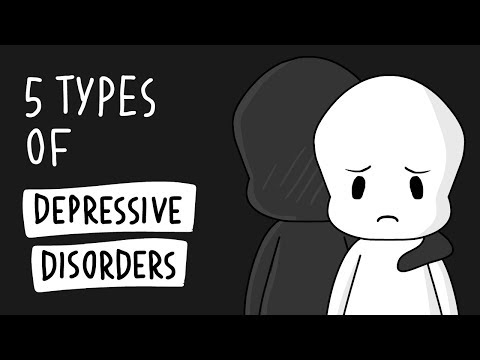
You know, depression is one of those things that gets talked about a lot, but it can be super confusing. Like, not everyone feels it in the same way.
There’s a whole array of types out there, and they’ve got fancy names from the DSM. Seriously, it sounds like a secret code or something!
So here’s the deal: understanding these different types is kind of important. It can help you pinpoint what someone’s going through—or even what you yourself are feeling.
Let’s break it down together! You might just find it’s not as overwhelming as it sounds.
Understanding the 7 Types of Depression: Signs, Symptoms, and Treatment Options
Depression can feel like an endless dark cloud hovering over you. It’s not just feeling sad; it’s a complex condition with various forms. The DSM, or Diagnostic and Statistical Manual of Mental Disorders, actually classifies depression into several types. Let’s break down those types, signs and symptoms, and what treatment options might look like.
Major Depressive Disorder (MDD) is perhaps the most commonly known type. It’s marked by persistent sadness lasting at least two weeks. You might feel hopeless, lose interest in things you once enjoyed, or struggle with sleep and appetite changes. Basically, it can turn your world upside down.
Persistent Depressive Disorder (Dysthymia) is more chronic but less severe than MDD. Think of it as a low-grade form of depression that lingers for at least two years in adults. You could be feeling down most of the time without the intense episodes seen in MDD. Sometimes you might think you’re just a bit off, but that nagging feeling doesn’t really go away.
Then there’s Bipolar Disorder. This one’s tricky because it swings between extreme highs (mania) and lows (depression). During depressive episodes, you could experience similar symptoms to MDD. But hey, during manic periods, things can get really intense—you might feel super productive or irritable.
Next up is Seasonal Affective Disorder (SAD). As the name suggests, this type relates to changes in seasons. It often kicks in during fall or winter when daylight is limited. You may notice feelings of despair that lift as spring approaches—like your mood cycles with nature.
Postpartum Depression hits many new moms after childbirth. It goes beyond just baby blues; it can manifest into deep feelings of sadness and anxiety that impair functioning. Just when they should be celebrating new life, they instead grapple with overwhelming emotions.
Then we have Atypical Depression. People with this experience mood reactivity—like feeling better when something positive happens—but also face issues like increased sleep and weight gain instead of loss. It doesn’t fit the “classic” mold of depression but still causes significant distress.
Finally, there’s Premenstrual Dysphoric Disorder (PMDD), which affects some women before menstruation starts. Symptoms include severe irritability, depression, or anxiety that typically resolve once menstruation begins—it’s sort of like a hormonal rollercoaster ride from hell!
Now let’s talk about treatment options because no one should go through this alone. Therapy is often a great first step:
Depending on severity and type of depression you’re dealing with, different treatments can work better for you than others. What’s key here is finding a professional who understands your unique situation and needs.
Just remember: if you’re struggling or know someone who is—help is out there! You don’t have to navigate this heavy stuff alone; connection makes everything a little lighter.
Exploring the Five Major Types of Depression: Understanding Symptoms and Treatments
Alright, so let’s chat about depression. It’s a heavy topic, but super important to understand. There are actually five major types of depression that the DSM (that’s the Diagnostic and Statistical Manual of Mental Disorders, if you’re curious) lays out. Each one has its own symptoms and ways to treat it. Ready? Let’s break it down.
- Major Depressive Disorder (MDD): This is probably what most people think of when they hear “depression.” You might feel really down for most of the day, losing interest in stuff you once loved, like hanging out with friends or even your favorite hobbies. Symptoms can include changes in appetite, sleep disturbances, fatigue, or feelings of worthlessness. Treatment often includes therapy—like cognitive-behavioral therapy (CBT)—and sometimes medication.
- Persistent Depressive Disorder (Dysthymia): So this one is like a longer-lasting version of major depressive disorder. It lasts for at least two years! Imagine feeling low for that long; it can wear you down. The symptoms are usually less severe than MDD but still impact your day-to-day life pretty significantly. Treatment can also involve therapy and medications.
- Bipolar Disorder: This isn’t just about being moody; bipolar disorder includes extreme highs (mania) followed by lows (depression). During a depressive episode, you might feel hopeless or empty. It’s critical to find a good mental health professional who understands the ups and downs because treatments can include mood stabilizers and therapy tailored for bipolar conditions.
- Seasonal Affective Disorder (SAD): Ever notice how some people really struggle during winter? That’s SAD! When sunlight decreases, some folks experience symptoms like irritability or fatigue as part of this cyclic type of depression that typically hits in fall or winter and eases in spring. Light therapy is one common treatment option here; some find it helps sort of “reset” their mood.
- Psychotic Depression: This is the real deal when depression gets mixed with psychosis—think hallucinations or delusions alongside all the usual depressive symptoms. It can be terrifying and needs serious attention from mental health pros; treatments generally involve antipsychotic medications along with antidepressants.
You know, understanding these types might help you recognize what someone else—or even yourself—might be dealing with. Depression isn’t one-size-fits-all by any means! Different experiences call for different approaches.
The good news is support is out there! Finding therapists who get these specific types can make a world of difference for those struggling with their mental health.
Understanding DSM-5 Depression Criteria: Mild, Moderate, and Severe Explained
Alright, let’s talk about depression and how it’s classified in the DSM-5. This guide is like the Bible for mental health pros in the U.S., laying out all the criteria they use to diagnose conditions like depression. Depression can really mess with your life, so understanding the different types is super important.
So, here’s the deal: The DSM-5 breaks down depression into three levels of severity: mild, moderate, and severe. Each type has its own set of symptoms and impacts on day-to-day life. Let’s unpack each one.
- Mild Depression: This is kind of like a light drizzle. You’re feeling down, but it doesn’t totally wreck your ability to get through the day. You might have trouble concentrating or feel a bit more tired than usual. But you can still go to work or hang out with friends, even if you don’t feel like it sometimes.
- Moderate Depression: Now we’re talking about something that starts to feel heavier. Think of it as a gloomy overcast day. Your mood dips more significantly here. You might struggle with basic tasks—like getting out of bed or going to work. You may not find joy in things you used to love, and your sleep patterns could get messed up.
- Severe Depression: This is where it gets really tough. Severe depression can feel like being trapped in a dark tunnel with no exit in sight. Daily activities? Forget about it; they become mountains too hard to climb. You could experience hopelessness and helplessness—it’s overwhelming emotionally and physically.
The DSM-5 criteria for diagnosing depression includes symptoms such as persistent sadness, loss of interest in activities, changes in appetite or weight, sleep issues, fatigue, feelings of worthlessness or guilt, difficulty concentrating, and recurrent thoughts of death or suicide. These symptoms vary from mild to severe based on their impact on your life.
This system helps professionals figure out what’s going on and tailor treatment accordingly—whether that’s therapy, medication, lifestyle changes—or a mix! A friend once told me about her experience with moderate depression; she described feeling like she was walking through molasses every day—it was exhausting just getting out of bed.
The bottom line is that knowing these levels can help you recognize what you or someone close to you might be dealing with. And understanding it means there’s hope—because that darkness doesn’t last forever!
You know, depression is such a heavy topic, but it’s super important to talk about. The DSM—or the Diagnostic and Statistical Manual of Mental Disorders, if you’re feeling fancy—classifies depression into several types. It’s kind of like how you might distinguish between different flavors of ice cream. Each type has its own vibe and symptoms.
So there’s Major Depressive Disorder, which is what most people think of when they hear “depression.” It can feel like this constant cloud hanging over you. You might wake up feeling exhausted or like the bed’s just too comfy to get out of. I remember a friend describing it as this weight on his chest that wouldn’t lift. That really stuck with me because it captured how isolating it can feel.
Then there’s Persistent Depressive Disorder, or Dysthymia. This one sticks around for a long time—years sometimes! It’s like an annoying roommate who just won’t move out. You feel low most days, but maybe not quite as intensely as with major depression. It can drain your joy over time without you even realizing it until one day you ask yourself, «When was the last time I felt truly happy?»
And oh! There’s Seasonal Affective Disorder (SAD). This one hits during certain times of the year, usually in winter when there’s less sunlight. Imagine being all pumped for cozy sweaters and hot chocolate only to feel down every time the days get shorter! It’s wild how much our environment can mess with our heads.
Then we have Bipolar Disorder which has those manic episodes mixed in with depressive ones. Like, one moment you’re feeling on top of the world—super energized and creative—and then boom! You crash down into a dark pit of despair. A friend once told me how exhilarating those highs were but how terrifying the lows could be. It’s really a rollercoaster ride none of us want to be on.
The thing is, each type affects everyone differently; there isn’t a one-size-fits-all situation here. And that makes understanding mental health so complicated yet essential because recognizing these differences can lead to better support and treatment plans.
So yeah, while these classifications help professionals do their thing, remember that every person has their unique experience with depression—and that matters a lot in finding healing pathways together.