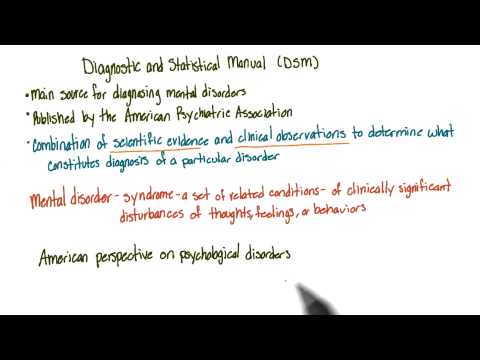
You ever hear about the DSM V? It’s like this big manual that helps folks understand mental health stuff.
Seriously, it’s pretty important in psychology today. It’s got definitions for all kinds of conditions that affect people every day.
But here’s the kicker: many people don’t know what’s in it or how it impacts their lives. And that can feel pretty confusing, right?
So, let’s break it down together. You’ll see how it connects to real life and maybe even makes sense of some things you’ve wondered about.
Download the Complete DSM-5 PDF: Essential Resource for Mental Health Professionals
The DSM-5, or the Diagnostic and Statistical Manual of Mental Disorders, Fifth Edition, is a major tool in psychology. It’s basically a manual that helps mental health professionals classify and diagnose mental disorders. You’ll find it filled with specific criteria that need to be met for various mental health conditions, which is super helpful for creating a shared language across the field.
Now, let’s dig into what makes it so essential. First off, the DSM-5 includes detailed descriptions of disorders ranging from anxiety to more complex conditions like schizophrenia. It’s like a roadmap for clinicians trying to figure out what’s going on with their clients.
Here are some key points about the DSM-5:
- Standardization: The DSM provides standardized criteria for diagnosing mental health issues. This consistency is crucial for accurate treatment.
- Research-Based: It’s grounded in current research and clinical studies, meaning that it’s always evolving as we learn more about mental health.
- Cultural Considerations: The latest edition also acknowledges cultural factors that can influence diagnoses. That’s really important because culture can shape how people experience and express their symptoms.
- Tool for Communication: It serves as a common language among professionals, helping them discuss diagnoses without confusion.
You might find yourself wondering how this relates to actual therapy sessions. Well, imagine you’re seeing a therapist named Jamie who specializes in anxiety disorders. With the DSM-5 handy, Jamie can refer to specific guidelines to assess your situation accurately. In doing so, they might determine if you meet the criteria for generalized anxiety disorder or if it’s something else entirely.
That said—and here’s a little side note—while the DSM-5 is super useful, it isn’t without its controversies. Some folks think it medicalizes everyday problems too much or argue about certain classifications being too broad or narrow.
So next time you hear someone mention the DSM-5, know that it’s an essential resource shaping modern psychology and guiding countless professionals in their work with clients navigating mental health challenges. It’s like having a trusted friend when you’re unsure what road to take in therapy!
Understanding DSM-5: A Comprehensive Guide to Mental Disorder Classifications in a Dynamic PowerPoint Format
The DSM-5, or the *Diagnostic and Statistical Manual of Mental Disorders, Fifth Edition*, is kind of like a big book that mental health professionals use to help diagnose mental disorders. Think of it as a reference guide for recognizing different mental health conditions.
What’s in the DSM-5? It’s full of classifications and descriptions of various disorders. Each entry includes criteria for diagnosis, which are basically guidelines to figure out whether someone meets the requirements for a specific condition. This makes it easier for therapists, doctors, and even researchers to communicate clearly about mental health issues.
Why Does It Matter? Having a standardized manual ensures that everyone is on the same page when discussing mental disorders. Imagine if each therapist had their own version of what depression looks like—confusing, right? With the DSM-5, you can expect a more uniform understanding across different professionals.
- Categorizations: The DSM-5 groups disorders into categories like mood disorders (think depression or bipolar disorder), anxiety disorders (like generalized anxiety disorder), and psychotic disorders (such as schizophrenia). This categorization helps to streamline treatment options.
- Cultural Considerations: It also emphasizes understanding cultural differences in how symptoms may present. For example, some symptoms might look different in one culture than another. So, it’s crucial for diagnosis to consider background and context.
- Changes from Previous Editions: The move from DSM-IV to DSM-5 brought some changes that sparked debate among professionals. Some disorders were reclassified or defined differently based on new research. For instance, binge eating disorder was added as a standalone diagnosis rather than being lumped under something else.
Just picture someone struggling with severe anxiety; they walk into a therapist’s office looking for help. The therapist refers to the DSM-5 criteria to confirm that this individual meets the standards for an anxiety disorder diagnosis. That way, they can devise an effective treatment plan tailored specifically for those symptoms.
Critiques definitely come up too! Some folks argue that it can pathologize normal behaviors or emotions too much; others think certain conditions shouldn’t even be classified at all because they might not always fit neatly within those boundaries.
So, yeah—understanding the DSM-5 is really essential in modern psychology and mental health care systems! It’s not just about labels but creating pathways toward effective support and healing for people navigating through their struggles with mental health conditions.
Understanding DSM-5: A Comprehensive Guide to Mental Health Diagnosis in Psychology
The DSM-5, or the Diagnostic and Statistical Manual of Mental Disorders, Fifth Edition, is like the encyclopedia for mental health professionals. It’s published by the American Psychiatric Association and serves as a key tool in diagnosing mental health conditions. Seriously, if you’re curious about how therapists and psychiatrists make sense of all those complex behaviors and feelings, this is it.
So what does it include? Well, the DSM-5 has a ton of categories and specific disorders listed. Here’s a quick rundown:
- Categories: The DSM-5 organizes mental disorders into sections based on similarities. For example, mood disorders like depression are grouped together with anxiety disorders.
- Criteria: Each disorder has specific criteria that must be met for a diagnosis. This is super important because it helps professionals determine whether someone really fits a particular diagnosis or not.
- Descriptive Text: There’s detailed info about each disorder. This includes symptoms, age of onset, prevalence rates, and risk factors.
- Cultural Considerations: It also emphasizes understanding cultural contexts when diagnosing someone. What might be considered abnormal in one culture could be perfectly normal in another!
Now let’s talk about why this all matters. Imagine you’re feeling down for months on end. You might think it’s just a phase or something you need to “snap out” of. But if you went to a therapist trained in using the DSM-5, they could help identify if that feeling falls under major depressive disorder—maybe even giving you clarity about what you’re experiencing.
One thing that lots of folks aren’t aware of is that mental health diagnoses can sometimes change over time. Like, back when the DSM was first published, some things were labeled differently or even considered taboo to discuss! For instance, homosexuality was once classified as a disorder before it got removed in later editions—showing how attitudes about mental health evolve.
Also keep in mind that while the DSM-5 is super helpful for diagnosis, it isn’t always black-and-white. People aren’t defined solely by their diagnosis; everyone has unique experiences! Just because someone meets the criteria for anxiety doesn’t mean their life looks like every textbook case.
It’s important to know that the DSM isn’t perfect either; critics often point out issues like over-diagnosis or pathologizing normal behaviors. Some argue that we need to approach these labels carefully so we don’t miss nuances that make us human.
In short, understanding the DSM-5 helps demystify how mental health professionals view psychological conditions today. It connects treatment approaches with scientific research and builds bridges between patients’ experiences and clinical practice.
So next time you’re hearing terms thrown around at therapy or among friends discussing mental health stuff, you’ll have a pretty solid grasp on what people mean when they mention «the DSM.» It’s not just some dusty book; it’s more like a living document reflecting our growing understanding of what affects our minds and lives!
The DSM V, or the Diagnostic and Statistical Manual of Mental Disorders, Fifth Edition, is sort of like a big book that helps mental health professionals figure out what’s going on with someone’s mental health. You know, it’s the go-to reference for diagnosing mental illnesses. But honestly, it’s more than just a list of symptoms and codes; it has this huge impact on how we understand mental health today.
So, let me tell you about my friend Sarah. She struggled with anxiety for years but never really had a name for it until, during therapy one day, her therapist brought up the DSM V. They went through some symptoms that matched her experience. It was like this lightbulb moment for her—suddenly, she wasn’t just “stressed” or “worried”; she had this actual condition that was recognized and understood. It made her feel validated in a way she hadn’t before.
In modern psychology, the DSM V plays a big role in reducing stigma. When people have labels that help explain their experiences, they often find it easier to seek help. But then there are the critiques too; some folks argue that it can pathologize normal human emotions or behaviors. Like if you’re sad after losing a loved one, is that depression? You see what I’m sayin’?
Another thing worth considering is how culture shapes our understanding of mental health through the DSM V lens. What’s seen as “normal” varies so much from one culture to another. So sometimes you might find that certain conditions are overdiagnosed or missed altogether based on cultural perceptions.
And let’s not forget about changes over time! The DSM is not static; it evolves as we learn more about mental health. The recent edition included things like hoarding disorder and introduced new criteria for diagnosing things like PTSD and depression which show how our understanding shifts.
The point is—while the DSM V isn’t perfect (and far from it), it’s pretty significant in shaping how we deal with mental health today. Just think back to Sarah—having an understanding and name for what she experienced helped her navigate her journey toward healing. So yeah, even though it has its flaws, at least it’s starting conversations and making seeking help feel more accessible!