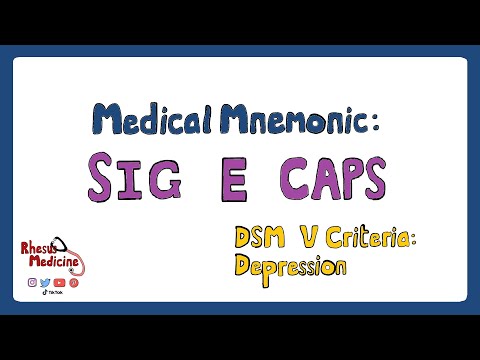
So, let’s chat about depression for a second. It’s not just feeling sad, you know? It can hit hard and mess with your whole life.
You might’ve heard about the DSM-5. It’s this big book that helps professionals figure out what’s going on with mental health. When it comes to diagnosing depression, it lays down some specific criteria.
But honestly? It can be a bit confusing at first glance.
Like, you’re probably wondering what qualifies as “depression” versus just a rough patch. That’s totally normal!
So stick around as we break down those criteria in a simple way. Trust me; it’ll help clear things up a lot!
Understanding the DSM-5 Criteria: A Comprehensive Guide to Mental Health Diagnosis
Understanding mental health can feel overwhelming, especially when you stumble upon terms like **DSM-5**. The DSM-5, or the *Diagnostic and Statistical Manual of Mental Disorders, Fifth Edition,* is like a big manual that mental health professionals use to help diagnose different mental health conditions. It’s got a ton of criteria laid out for various disorders, including depression.
So, what’s the deal with diagnosing depression? Well, the DSM-5 lists specific symptoms that need to be present for a diagnosis. Here are the main points:
- Persistent sadness or low mood: This isn’t just feeling blue for a day or two. We’re talking about feeling down most of the day, nearly every day.
- Loss of interest: You know those things you usually love—like hobbies or hanging out with friends? If you’ve lost interest in them, that’s worth noting.
- Changes in appetite: Either you can’t eat at all or you’re eating way too much. It’s that shift that makes a difference.
- Sleep disturbances: This could mean sleeping too little or too much. If your sleep patterns are all over the place, it could be linked to something bigger.
- Fatigue: Feeling tired all the time? That’s not just needing an extra cup of coffee; it can be part of depressive symptoms.
- Feelings of worthlessness or guilt: If you’re constantly beating yourself up over things that aren’t your fault or feeling like you’re not good enough—it matters.
- Diminished ability to think or concentrate: This might show up as trouble making decisions or focusing on tasks you used to breeze through.
- Suicidal thoughts: These thoughts can range from thinking about death to actually planning suicide. Serious stuff here!
To get diagnosed with depression according to the DSM-5 criteria, you typically need to have five (or more) of these symptoms during the same two-week period. And at least one of those symptoms should be either *persistent sadness* or *loss of interest.*
Now picture this: You’ve been feeling really low for weeks—like every morning feels heavier than the last. You used to love going out with friends, but now you’d rather binge-watch shows alone. Maybe food doesn’t taste as good anymore—or maybe you’re stress-eating all those snacks in your pantry. It’s exhausting trying to keep your mind focused on work when everything feels like a fog.
However, it’s important to remember that just because someone has some symptoms doesn’t mean they automatically have depression. That’s where trained professionals come in—they’ll look at your full story and context before making any calls.
But here’s something crucial: even if you meet all these criteria and get diagnosed with depression, it doesn’t define who you are. It’s just a snapshot of where you’re at right now.
It’s also worth noting that treatment options vary widely—from therapy and medication to lifestyle changes—and everyone’s journey through this is unique.
So if any of this resonates with you—or if someone close to you seems off—reaching out for help could be a great step forward! Remember, acknowledging how we feel is so important in keeping our mental health on track!
Understanding the Criteria for Diagnosing Depression: Key Indicators You Should Know
When it comes to diagnosing depression, mental health professionals often rely on the criteria laid out in the DSM-5, which stands for the Diagnostic and Statistical Manual of Mental Disorders, Fifth Edition. This guide is like a roadmap for identifying various mental health conditions, including depression. So, what does it really take to get that diagnosis?
First off, you need to look at the core symptoms. For a diagnosis of major depressive disorder (MDD), you typically need to experience at least five of these symptoms during the same two-week period:
- Persistent sadness or low mood: Feeling down most of the day can really weigh you down.
- Lack of interest: You know when things you used to love suddenly feel blah? That’s a biggie.
- Weight changes: Gaining or losing weight without trying can be a sign something’s off.
- Sleeplessness or oversleeping: Trouble sleeping or just sleeping all the time—both aren’t great.
- Psycho-motor changes: Moving more slowly than usual or feeling restless; it’s hard to focus on anything.
- Fatigue: Feeling drained all day even after resting isn’t just about being busy.
- Feelings of worthlessness or excessive guilt: Those heavy thoughts that keep telling you you’re not enough?
- Diminished ability to think clearly: It’s like running through fog; concentrating feels impossible.
- Recurrent thoughts of death or suicide: Serious stuff—if these thoughts are frequent, seeking help is crucial.
The thing is, these symptoms have to cause significant distress or impairment in your everyday life. You might notice yourself struggling with daily tasks—like going to work or connecting with friends—and that aspect is super important. It’s not just about feeling sad occasionally; it’s more like this cloud that won’t go away.
An interesting point here is that these symptoms can manifest differently based on personal experiences and background. One person might zone out from social activities while another spirals into negative self-talk. And guess what? The duration matters too! Symptoms need to stick around for at least two weeks for a solid diagnosis. Less than that might land you in another category, called «adjustment disorder with depressed mood,» which is more about adapting to stressors rather than deep-rooted depression.
You also want your doctor to rule out other medical conditions that could be playing a role. For instance, thyroid issues can mimic depressive symptoms, so those tests are pretty standard when you visit a clinician complaining about feeling down.
Your doctor might also check if there are any substance use problems involved because sometimes substances (like alcohol and drugs) can lead people into depression territory too. So yeah, being open about your lifestyle choices is key!
If all these indicators line up and you’ve been living with this for a while, an official diagnosis could happen. But remember: getting diagnosed isn’t just about labels; it’s about finding paths towards healing and support tailored just for you!
If you’re ever in doubt about how you’re feeling—which happens!—don’t hesitate to reach out for help. Just talking things over with someone who understands makes a world of difference!
Understanding Major Depressive Disorder: Key DSM-V Criteria You Need to Know
Major Depressive Disorder (MDD) is one of those terms tossed around, but understanding what it really means is important for anyone who’s been affected by it—whether personally or through someone you care about. So, let’s break it down in a straightforward way.
First off, the **DSM-V** (Diagnostic and Statistical Manual of Mental Disorders, Fifth Edition) is like the manual for mental health professionals. It lays out the criteria they use to diagnose various disorders, including Major Depressive Disorder. There are specific guidelines that help determine if someone is experiencing MDD.
To meet the criteria for MDD, you need to have **five or more** of these symptoms during the same two-week period:
- Depressed mood: Feeling sad or hopeless most of the day, nearly every day. You might feel like you’re in a fog that just won’t lift.
- Anhedonia: Losing interest or pleasure in almost all activities. You used to love going out with friends or pursuing hobbies—but now? Not so much.
- Weight changes: Significant weight loss when not dieting or weight gain. For example, maybe stress eating has led to more snacks than meals.
- Sleep disturbances: Insomnia or sleeping too much. Some people can’t sleep a wink while others can’t pull themselves from bed.
- Psycho-motor agitation or retardation: Being restless or moving and talking slower than usual. It’s like your mind wants to race away but your body’s stuck in slow-mo.
- Fatigue: Feeling tired all the time—like you just ran a marathon without even leaving your couch.
- Feelings of worthlessness: Excessive guilt over things that aren’t your fault—you could be thinking everything’s your fault—seriously.
- Cognitive difficulties: Trouble concentrating, making decisions, or thinking clearly. It’s like trying to wade through mud when you’re trying to think straight.
- Suicidal thoughts: Thinking about death or suicide—or even planning for it—is seriously concerning and needs immediate attention.
Here’s where it gets tricky: **the symptoms cause significant distress** or impairment in social, occupational, or other important areas of functioning. So basically, if you’re feeling this way and it messes with your day-to-day life—be it work, relationships, or just getting out of bed—it could point toward MDD.
Now you might ask: “Okay cool, but how long does this last?” Well, for an MDD diagnosis to stick around on paper—it should last at least **two weeks** without letting up.
Also importantly: these symptoms aren’t better explained by another mental disorder (like bipolar disorder), and they can’t be due to substance use—which includes medications too—or medical conditions.
Living with Major Depressive Disorder can feel isolating and overwhelming; some days might feel like climbing a mountain made of bricks. It’s crucial not only to recognize these symptoms but also understand that it’s okay to seek help when needed.
So if any of this resonates? Reaching out for support isn’t just smart; it’s essential! You don’t have to navigate this alone; there are tools and people ready to help lighten that load.
Ultimately understanding Major Depressive Disorder through these DSM-V criteria can offer clarity—not just for those dealing with depression directly but also for friends and family who want to lend support.
So, when we talk about depression, it’s like trying to untangle a big ball of yarn, you know? There’s so much going on, and figuring it all out can feel overwhelming. The DSM-V—this big book that mental health professionals use—has some specific criteria for diagnosing depression. And while it sounds super clinical, it really helps in understanding what someone might be going through.
You might have heard about the basic signs: feeling sad or hopeless most of the time, losing interest in things you once enjoyed, changes in sleep patterns or appetite. But honestly? Depression is way more than just a checklist. I remember my friend Julia went through a tough patch where she just seemed off. She wasn’t just sad; she looked tired all the time and stopped hanging out with us. It was like watching someone dim down their own lights, and that really stuck with me.
The thing is, the DSM-V breaks down these symptoms into different categories to help clinicians see the whole picture—like if the feelings last for at least two weeks or if they interfere with your daily life. It’s kind of like looking at a puzzle. Each piece is important to see what the bigger picture looks like.
But it’s also important not to get stuck in that box. People experience depression differently—it can show up as irritability instead of sadness for some folks or maybe even physical symptoms like chronic pain. So while the DSM-V criteria are helpful guidelines for diagnosis, they’re not the whole story.
There’s a human side that sometimes gets tangled up in those clinical words too—you know? Each person has their own journey with mental health, and things like genetics, environment, and even past experiences come into play. That’s why it feels so important to have real conversations about these experiences—not just rely on a list of symptoms.
At the end of the day, we should remember that behind every diagnosis is a person who might be struggling deeply but also has hopes and dreams too. And understanding that means we can approach each other with empathy rather than just focusing on ticking off boxes from a list.