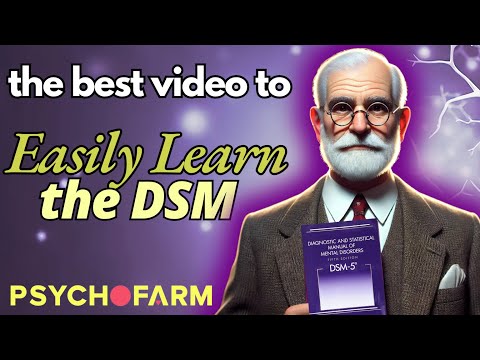
You know how sometimes you just feel a bit off? Maybe you’re anxious or sad, but you’re not really sure why. Well, that’s when the DSM V comes in handy.
It’s like a giant book for mental health pros, helping them figure out what’s going on in your head. Pretty cool, right?
This manual breaks down all those complicated mental health conditions into something more understandable. It’s like a roadmap for therapists and psychiatrists as they help people navigate their mental wellness.
So whether it’s depression, anxiety, or something else entirely, this guide lays it all out. It helps in identifying symptoms and spotting patterns that might be tripping you up.
Trust me, just knowing there’s something like this out there makes it easier to talk about your feelings. And that can be a huge relief!
Understanding the DSM-5-TR: Your Comprehensive Guide and Downloadable PDF
So, the DSM-5-TR, huh? That stands for the Diagnostic and Statistical Manual of Mental Disorders, Fifth Edition, Text Revision. It’s a big deal in the mental health world. If you’re curious, here’s what you need to know about it.
First off, this manual is like a textbook for mental health professionals. It helps them **diagnose** various mental disorders by providing guidelines and criteria. Seriously, it’s got definitions and classifications for over 300 disorders!
Why is it important? Well, it standardizes how we talk about and understand mental health issues. Imagine if every psychologist had their own way of defining anxiety or depression—it’d be chaos! The DSM brings some order to that.
Now let’s break down its parts:
- Categories of Disorders: The DSM organizes disorders into categories like mood disorders (think depression or bipolar) and anxiety disorders (like generalized anxiety disorder). This way, professionals can zero in on what they’re dealing with.
- Diagnostic Criteria: Each disorder in the DSM comes with specific criteria that must be met for a diagnosis. So if someone is feeling overwhelmed with worry but doesn’t meet all those criteria for anxiety disorder, they might get a different label.
- Culture Consideration: The DSM-5-TR also includes cultural considerations. You see, not everyone experiences mental health issues in the same way due to cultural differences. It emphasizes understanding how culture can influence symptoms and treatment.
- Changes from Previous Editions: This latest revision updated some old terms and added new ones based on ongoing research. For example, they refined some descriptions of ADHD. It reflects new findings since the last edition.
Here’s something cool: it helps ensure that research studies can be more consistent because researchers are using the same definitions when talking about different illnesses.
Now hang on—there’s also a focus on **looking towards recovery** rather than just labeling someone as “disordered.” It’s more about helping people find solutions instead of just putting them into boxes.
You might think all this sounds super heavy and formal, but really? It’s all about making sure people get help tailored to their unique needs!
If you’re looking to get your hands on a PDF version or anything else related to the DSM-5-TR? It’s recommended to check official sources like the American Psychiatric Association’s website because they keep it updated!
Anyway, understanding this manual helps demystify mental health challenges and makes sure folks are getting accurate diagnoses so they can start feeling better.
Download the Comprehensive DSM-5 PDF: Your Guide to Understanding Mental Health Disorders
The DSM-5, or Diagnostic and Statistical Manual of Mental Disorders, is pretty much the go-to resource for understanding mental health conditions. It’s like a giant encyclopedia for mental disorders that professionals use to diagnose and treat different issues. So, if you wanna get a peek into this world, downloading a PDF of it could be helpful.
But what exactly is in the DSM-5? Well, it lays out a ton of mental health disorders along with criteria needed for diagnosis. It’s organized in a way that makes it easier for practitioners to find what they need quickly.
- Clear Criteria: Each disorder comes with specific criteria. Like, if someone has anxiety, there are clear markers you can look at to make sense of their experience.
- Cultural Considerations: It also discusses how certain behaviors might be viewed differently depending on cultural backgrounds. This is super important because mental health isn’t one-size-fits-all.
- New Additions: The DSM-5 includes new disorders as our understanding evolves. For instance, things like internet gaming disorder are recognized now.
You know how sometimes people say “stressed” or “anxious” without really knowing what that means? The DSM-5 helps clarify those terms by providing definitions based on research and expert consensus.
Imagine you’re sitting in a therapist’s office, talking about how you’ve been feeling down lately. The therapist could refer to the DSM-5 to figure out if it’s major depressive disorder or something else entirely. This connection between feelings and diagnosis is vital for getting the right help.
You might wonder, can I just read this thing myself? Sure! Having access to the DSM-5 can boost your understanding of various conditions—things like PTSD or bipolar disorder—but remember that it’s really designed for pros who have training in this area.
One more thing: while having a copy can give you insights into what someone might be dealing with mentally, don’t use it as a checklist to self-diagnose or diagnose others! That could lead to misunderstandings or misinterpretations of real struggles.
If you’re looking into mental health more seriously or even considering therapy yourself, familiarizing yourself with resources like the DSM-5 can support your journey but keep in mind it’s just one piece of a larger puzzle when it comes to mental wellness—your personal experiences and feelings matter most!
Essential DSM-5-TR Cheat Sheet PDF for Mental Health Practitioners and Students
The DSM-5-TR, or the *Diagnostic and Statistical Manual of Mental Disorders, Fifth Edition, Text Revision*, is a crucial tool for anyone in the mental health field. You might know it as just the DSM. It’s kinda like a big library of mental health conditions that professionals use to diagnose and classify disorders.
When you’re staring at this manual, it can be a bit overwhelming. Seriously, it’s packed with terms and categories that can throw you for a loop if you’re new to it. The thing is, understanding the DSM is super important for accurate diagnosis and effective treatment planning.
So, what’s really in there? Well, here are some essentials:
- Categories of Disorders: The manual organizes mental disorders into categories like mood disorders, anxiety disorders, and psychotic disorders. Each section describes symptoms and diagnostic criteria.
- Criteria Checklists: For each disorder, there are specific checklists that outline what clinicians need to look for when making a diagnosis.
- Cultural Considerations: The DSM also touches on cultural factors that can influence how disorders manifest. This part helps ensure practitioners consider cultural background when diagnosing someone.
- Epidemiological Data: It provides info on the prevalence of different disorders—like how many people are affected by depression versus anxiety. This data can help you understand what you’re dealing with in your practice.
Let’s break down what this means practically. Take depression as an example—the DSM outlines specific symptoms such as persistent sadness or loss of interest in activities. If you’re a student or practitioner trying to figure out whether someone meets these criteria, having this clear checklist is golden.
Now here’s another quick point: it’s not just about memorizing terms. As much as you want to feel like a whiz-kid on everything in the DSM, real understanding comes from seeing how these conditions play out in real life situations—like when your buddy stops hanging out because they’re feeling low all the time.
The revisions in the DSM-5-TR also address new findings and update outdated terms or concepts—a sort of refresh button on mental health knowledge! Keeping up with these changes ensures that your practice remains relevant.
So if you’re leaning toward working in this field or already are—know that having an accessible cheat sheet for the DSM-5-TR at your side could make all the difference in cutting through some of that complexity.
In short? The DSM isn’t just jargon; it’s essential knowledge to help support folks who really need it while doing your best work possible! Just remember: it’s about people behind those pages—real lives hanging in balance based on diagnoses we make together.
So, the DSM-5. If you’re not in the mental health field, it might sound like just another boring manual. But let me tell you, it’s a big deal for therapists and psychiatrists. Just imagine being a doctor trying to guess what’s wrong with your patient without having a solid map to follow. That’s what can happen without the DSM-5.
This manual lists all kinds of mental health disorders, with descriptions of their symptoms, diagnostic criteria, and even some info on treatment options. It’s like your friend who always has your back when you’re lost. Seriously, for professionals, it provides a common language so they can all understand what’s going on with someone’s mind and find the right help.
I remember talking to a therapist once who explained how critical the DSM-5 was for her practice. She mentioned one client who had been misdiagnosed multiple times before finally getting clarity through the manual’s guidelines. The relief in her voice was palpable; it was as if she’d found a missing puzzle piece that finally made everything click into place.
But here’s where it gets tricky: while it’s super helpful, it can be criticized too. Some argue that labeling someone with a disorder can feel pretty stigmatizing—like slapping a label on them that doesn’t fully represent their personal experience or struggles. There are also folks who point out that not every emotional difficulty fits neatly into these categories.
That said, when used wisely—as part of a broader understanding of an individual—it can help professionals make informed decisions about care and treatment strategies. At its best, the DSM-5 isn’t just about putting people in boxes; it’s about finding ways to help them feel better and lead fulfilling lives.
So yeah, while some might roll their eyes at the mention of this manual, for many in mental health care, it’s something way more than pages in a book—it’s part of their toolkit to bring hope and healing to those who need it most.