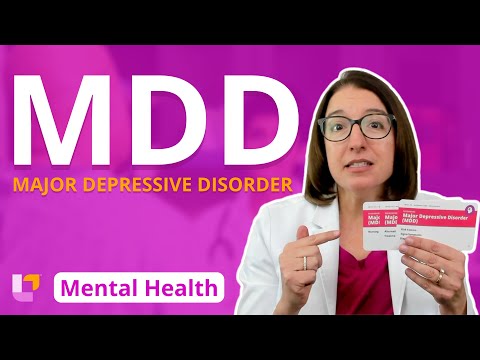
You know how life can sometimes knock the wind out of you? Like, one minute everything feels okay, and the next, you’re stuck in a rut that just won’t budge. Major Depressive Disorder is kind of like that. It can creep up on you when you least expect it.
So, what do we do when those feelings get too heavy? We turn to professionals for help. And that’s where the DSM-5 comes into play. Seriously, it sounds all clinical and stuff, but it’s super important.
This manual is like a roadmap for diagnosing mental health issues. It helps therapists and doctors make sense of all those complicated feelings. But how does it really work when it comes to figuring out major depression? Let’s break that down together!
Understanding DSM-5 Major Depressive Disorder Criteria: A Comprehensive Guide
Alright, let’s break down this whole major depressive disorder thing according to the DSM-5, which is like the big book of mental health conditions. It sounds super formal, but don’t worry. I’ll keep it chill and easy to understand.
So, major depressive disorder (MDD) is more than just feeling sad for a couple of days. It’s a serious condition that messes with your daily life. The DSM-5 lays out some criteria so professionals can figure out if someone really has it or if it’s just a rough patch they’re going through.
Here are the key points, or like the must-have ingredients for diagnosing MDD:
- Five or more symptoms: To get diagnosed, you need to have at least five symptoms occurring during the same two-week period.
- Core symptoms: One of those five has to be either a depressed mood or loss of interest/pleasure in most activities.
- Other symptoms: The other symptoms can include weight changes, sleep issues, fatigue, feelings of worthlessness or guilt, trouble concentrating, and even thoughts of death or suicide.
Let’s unpack that a bit. When we say «depressed mood,» we’re talking about feeling down most of the day. Maybe you’re sitting in your favorite spot on the couch but feel like there’s this heavy cloud hanging over you.
Then there’s «anhedonia«, which is just a fancy way of saying you’ve lost interest in things you used to love—like hanging out with friends or binge-watching that show everyone’s talking about.
Now let’s hit on those other symptoms: You might notice yourself eating way more (or less) than usual—like when I went through a breakup and lived off ice cream for weeks! Or maybe you can’t sleep at all because your mind won’t shut up.
The thing is, these symptoms need to cause significant distress or interfere with your daily functioning—like work or personal relationships. So if every little thing feels like an uphill battle? That could be a red flag.
One more important point: These symptoms should not be due to the effects of drugs or another medical condition. Like sometimes people feel down because they’re dealing with chronic pain or adjusting to medication.
If all these pieces fit together over that two-week period? Well then it might be time to seek some help.
Honestly, getting diagnosed isn’t about slapping a label on someone; it’s about understanding what they’re going through and helping them find their way back to feeling good again. Having clear criteria helps professionals provide effective treatment options tailored for each individual.
So yeah! That’s kind of the rundown on MDD according to DSM-5. It’s serious stuff but knowing what it entails can make all the difference in getting support when we really need it!
Understanding Major Depressive Disorder: Key Insights from the DSM-5
Major Depressive Disorder, often referred to as MDD, can be a tough thing to wrap your head around. First off, it’s important to know that MDD is more than just feeling sad or down for a few days. It’s like this heavy fog that doesn’t seem to lift. The DSM-5, which stands for the Diagnostic and Statistical Manual of Mental Disorders, Fifth Edition, plays a big role in helping professionals diagnose and understand this condition.
For starters, the DSM-5 lays out specific criteria to look for when diagnosing MDD. According to this manual, a person has to experience at least five symptoms over a two-week period. These symptoms can include things like:
- Feeling sad or empty most of the day
- Loss of interest or pleasure in activities you used to enjoy
- Significant weight loss or gain without trying
- Sleeping too much or not enough
- Fatigue or loss of energy nearly every day
- Feelings of worthlessness or excessive guilt
- Difficulties concentrating or making decisions
- Recurrent thoughts of death or suicide
Imagine someone who used to love going out with friends but suddenly feels like doing anything is just too exhausting. That person might not even realize they’re showing signs of MDD until someone points it out. This is where the DSM-5 becomes crucial because it helps mental health professionals notice these signs systematically.
But here’s the thing: not everyone experiences depression in the same way. You might feel all the typical symptoms, while your friend might only relate to a couple on that list. It’s not one-size-fits-all! The DSM-5 also notes that these symptoms must cause significant distress or impairment in social, occupational, or other important areas of functioning. So if your ability to do your job or hang with family drops because you’re feeling low, that matters.
Another key point worth mentioning is that MDD isn’t merely situational. Life events can definitely trigger episodes—like losing a job or going through a breakup—but sometimes it just happens without any clear cause. Even on sunny days, people can feel stuck in darkness.
The DSM-5 also specifies that symptoms shouldn’t be better explained by another mental disorder. Sometimes anxiety disorders can overlap with depression in tricky ways. For instance, if you’re anxious about something specific and it’s weighing you down, you might want help sorting through why you feel low.
It’s also essential to remember that diagnosis isn’t just about ticking boxes on a checklist; there’s often an emotional component involved too! A skilled therapist will take time getting into your story and understanding how depression affects your life personally.
In sum, if you think someone might be dealing with Major Depressive Disorder—or maybe you’re feeling this way yourself—understanding these diagnostic criteria from the DSM-5 is like having a roadmap. It points out where things get complicated but also shows there’s hope for clarity and support ahead! So don’t hesitate; reaching out for help could change everything for you—or someone else who needs it!
Understanding DSM-5 Depression Criteria: Download the Complete PDF Guide
Understanding depression can feel overwhelming sometimes. You might have heard of the DSM-5, which is short for the Diagnostic and Statistical Manual of Mental Disorders, Fifth Edition. It’s basically a big book that mental health professionals use to diagnose mental health conditions, including major depressive disorder (MDD). So let’s break down what the DSM-5 has to say about depression.
First off, what is Major Depressive Disorder? MDD is more than just feeling sad or having a rough day. It’s a mood disorder that can affect how you think, feel, and handle daily activities. It’s important to recognize that it isn’t just about emotions; it can impact your physical health too.
To diagnose MDD using the DSM-5 criteria, a person must have **at least five** of the following symptoms during the same two-week period:
- Depressed mood: Feeling sad or empty most of the day.
- Anhedonia: Losing interest in activities that you once enjoyed.
- Weight changes: Significant weight loss or gain, or changes in appetite.
- Sleep disturbances:
- Psycho-motor agitation or retardation: Restlessness or being slowed down physically.
- Fatigue:
- Feelings of worthlessness or excessive guilt:
- Diminished ability to think:
- Recurrent thoughts of death:
Now here’s where it gets crucial. Those symptoms need to cause significant distress or impairment in social, occupational, or other important areas of functioning. In simpler terms, if you’re finding it hard to get out of bed every morning because you can’t muster any interest in life anymore—well, that’s where this becomes serious.
You might be thinking about how these criteria play out in real life. Say you’ve been through some tough stuff lately—maybe losing a loved one—and now you’re just not yourself anymore. You used to love going out with friends but now barely leave your house. That’s an example where the **DSM-5 symptoms** could fit.
Also worth noting—the symptoms must not be attributable to another condition like substance use or another medical issue like thyroid problems. Doctors want to make sure they’re looking at depression specifically.
Sometimes people ask if they can “self-diagnose.” While understanding these criteria is helpful for awareness, it’s super essential to consult with a professional for an accurate diagnosis and treatment plan tailored just for you.
So there you have it! The DSM-5 provides clear guidelines for diagnosing major depressive disorder based on observable behaviors and self-reported feelings. Recognizing these signs could help not only yourself but others who may be struggling silently around you. Mental health matters!
So, let’s chat about the DSM-5 and how it plays a role in figuring out if someone has Major Depressive Disorder (MDD). It’s kind of the go-to manual for mental health professionals. You know, when someone walks into a therapist’s office feeling really down, confused, or even hopeless, that’s where the DSM-5 comes into play.
Now, I remember a friend of mine who was in a pretty dark place. She’d lost interest in all the things she once loved—like painting and going out with friends. It was heartbreaking to see her struggle but even harder to watch as she tried to understand what was happening to her. Her therapist used the DSM-5 as a tool to help make sense of it all.
Essentially, the DSM-5 lays out specific criteria for diagnosing MDD. They have this list of symptoms that someone needs to have—like persistent sadness, changes in appetite or sleep patterns, and difficulty concentrating—for at least two weeks. It really helps mental health pros look through a structured lens. This means they can better differentiate between what might just be a tough time and something more serious like MDD.
But here’s the thing: while the DSM-5 is super useful, it doesn’t paint the whole picture of someone’s experience. Everyone’s journey is different! When my friend got her diagnosis, it felt like there was finally some understanding around her pain. But honestly? Labels can be tricky because they can sometimes make people feel boxed in or defined by just one part of their life.
What I find interesting is how this manual reflects societal views on mental health too. Since its latest version came out in 2013, there has been ongoing debate about certain categories and whether they truly capture what people are going through. Like—what about those who don’t fit neatly into one diagnosis? Sometimes mental health isn’t black-and-white; you know?
In the end though, while the DSM-5 offers clarity and support for practitioners treating MDD, it’s also important to remember that healing isn’t just about diagnosing—it’s also about understanding individual stories and finding paths toward recovery that resonate personally. So keep talking, keep reaching out; there’s so much more beyond those pages!