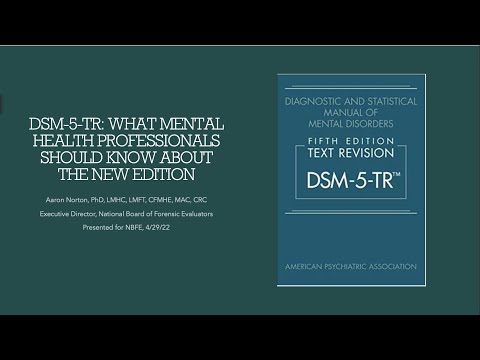
Hey! So, you know that big book that mental health pros use, right? The DSM-5? Well, they’ve made some updates and changes that are kinda important.
It’s like when your favorite video game gets a patch. Sometimes the tweaks make it way better!
These changes can really shake things up for how we understand mental health conditions. So, if you’re a therapist or work in this field, you might want to stick around for this.
Let’s break down what’s new and why it matters. I promise it’ll be interesting!
Exploring Recent Changes to the DSM-V: What You Need to Know About Updates in Mental Health Diagnosis
The DSM-V, or the Diagnostic and Statistical Manual of Mental Disorders, Fifth Edition, has been a major player in mental health diagnosis since its release. Recently, there have been some updates and changes that professionals need to keep in mind. These changes can affect how we understand and approach various mental health conditions.
One notable change is the shift in diagnostic criteria for certain disorders. For instance, obsessive-compulsive disorder (OCD) has been moved to a new category called «Obsessive-Compulsive and Related Disorders.» This shift recognizes that OCD is distinct from anxiety disorders, which it had previously been grouped with. This kind of reorganization helps clinicians get a clearer picture of the condition.
Another important update involves the criteria for diagnosing depression. The DSM-V now emphasizes the importance of considering cultural context when assessing depressive symptoms. This means understanding how symptoms might look different across various cultures. For example, someone from a culture that values stoicism might express their distress differently than someone from a culture that encourages emotional expression.
There have also been changes regarding autism spectrum disorder (ASD). The DSM-V combined several conditions under one umbrella term—»Autism Spectrum Disorder»—instead of treating them as separate diagnoses. This change aims to reflect the spectrum nature of autism more accurately and recognize that individuals can present with varying degrees of severity.
Personality disorders have seen some attention too. The DSM-V has proposed a new classification system for personality disorders that focuses on both functional impairment and personality traits. This approach is more nuanced than just categorizing people into rigid boxes based on specific criteria.
On another note, there’s been more discussion around gender dysphoria. The DSM-V acknowledges gender identity as part of human diversity rather than viewing it strictly through a pathological lens. It emphasizes understanding the distress caused by societal pressures rather than viewing being transgender itself as a disorder.
However, with these updates come challenges for mental health professionals. Many are still adjusting to these new frameworks and how they apply in clinical practice. It can be tough keeping up with evolving standards while providing top-notch care for clients who often rely on you to navigate these complexities.
It’s crucial to remember, though, that these changes are not just about clinical definitions; they’re about real people experiencing real struggles. So staying informed isn’t just professional; it’s personal too—an opportunity to better support those seeking help.
In short, the updates within DSM-V show progress towards understanding mental health as something multifaceted rather than one-size-fits-all. So if you’re in the field or just someone trying to grasp these concepts better, remember: it’s all about adaptation and compassion in this ever-evolving landscape!
Exploring the Latest DSM Updates: Key Changes and Implications for Mental Health
The DSM, or Diagnostic and Statistical Manual of Mental Disorders, is like the go-to book for mental health professionals. It lays out all the mental health disorders you might encounter and gives guidelines on how to diagnose them. The latest updates? Yeah, they’re pretty important because they can change the way people are diagnosed and treated.
First off, let’s talk about some key changes. One significant update is around substance use disorders. In previous editions, terms like «abuse» or «dependence» were used separately. Now? They’re combined into a single «substance use disorder,» which simplifies things a bit. You see, this change reflects a more modern understanding of addiction as a spectrum rather than two separate categories. This can improve treatment by focusing on the severity of the disorder rather than labeling someone as just an «abuser.»
Another biggie is in how we think about eating disorders. The DSM has revised criteria for certain conditions like binge-eating disorder (BED).
This means more folks might get help sooner instead of suffering in silence.
Then there’s the update on neurodevelopmental disorders. The DSM has introduced some changes to how we understand and classify conditions like Autism Spectrum Disorder (ASD). The term «autism spectrum disorder» itself encompasses several previously distinct diagnoses like Asperger’s Syndrome.
It reflects that autism isn’t one-size-fits-all; it varies widely from person to person.
And hey, let’s not forget about gender dysphoria! The way it’s approached in the DSM has seen a more compassionate, affirming shift.
It’s less about labeling distress as pathological and more focused on helping people feel comfortable in their own skin.
Also, there’s been increased awareness around cultural considerations when diagnosing mental health issues. The DSM now emphasizes that cultural context matters when identifying disorders.
That means understanding someone’s behavior in light of their unique life experiences—huge step forward!
Now, what do these changes imply for mental health care? Well, they have potential ripple effects on treatment access and insurance coverage too! With clearer criteria and symptoms outlined, it could be easier for people to get diagnosed correctly and receive appropriate treatments sooner rather than later.
But hold up! With these updates come challenges as well. Some professionals may struggle with adapting to new diagnostic criteria or feel unsure about what this means in practice. Sometimes there’s also pushback because change can feel intimidating.
Look, these updates are designed to make mental health better understood and treated effectively—but adjusting takes time! So whether you’re a therapist or someone looking for help yourself, staying informed about these shifts is crucial.
In short? The latest DSM updates reflect changing attitudes toward mental health—making diagnostics more inclusive, understandable, and adaptable to individual experiences while emphasizing compassion over diagnosis alone. And that’s something we can all get behind!
Understanding the DSM-V: Essential Insights for Mental Health Practitioners
Understanding the DSM-V can be a bit like trying to navigate a complicated maze. It’s essential for mental health practitioners, so let’s break it down into bite-sized pieces.
What is the DSM-V? Well, it stands for the Diagnostic and Statistical Manual of Mental Disorders, Fifth Edition. This hefty manual is basically the go-to resource for diagnosing mental health conditions in the U.S. clinicians rely on it to make sure they’re on the same page when it comes to understanding various disorders.
How has it changed? The DSM-V came out in 2013, and it brought some significant updates that professionals needed to know about. Here are a few key changes:
- New Disorders: The DSM-V introduced several new disorders, including **premenstrual dysphoric disorder** and **hoarding disorder**. So if you’ve been seeing these more in practice, that’s why!
- Revised Categories: They changed categories around; for instance, **autism spectrum disorder** replaced earlier categories like Asperger’s syndrome and pervasive developmental disorder.
- No More Axes: The multi-axial system from previous editions was dropped. It used to categorize conditions across five axes; now it’s all streamlined into one big diagnosis.
- Cultural Considerations: There’s more emphasis on understanding how culture affects diagnosis and treatment. That means looking at a person’s cultural background is super important in making accurate assessments.
Why does this matter? Well, if you’re working in mental health, keeping up with these changes can seriously affect how you diagnose and treat your clients. It allows you to provide better care because you’re using current standards.
For example, say someone walks in with symptoms of anxiety but also experiences severe mood swings. The way you’d approach this has evolved with new guidelines from the DSM-V. You’d consider their symptoms through a more holistic lens now than before.
The Importance of Language: Another thing—language matters! Using terms from the DSM-V helps communicate clearly with other professionals in your field. When everyone is speaking the same lingo, it makes everything run smoother.
Let’s not forget about the role of research. The updates reflect ongoing studies within psychiatry that affect how we view mental health conditions today. This isn’t just static information; it’s evolving alongside our understanding of human behavior.
So really, grasping these updates isn’t just some academic exercise—it shapes how you interact with clients and approach their treatment plans! If you’re not up on this stuff? Well, things can get confusing out there!
In short: knowing what’s in the DSM-V keeps you informed and effective as a practitioner. And hey, staying updated on these changes not only improves patient care but also boosts your confidence when making those crucial assessments!
You know, the DSM-5, which is like the Bible for mental health pros, has had some ups and downs. It’s gone through a bunch of updates since it first dropped, and these changes are super important for how we understand mental health.
So, picture this: imagine you’re a therapist trying to help someone who’s feeling really lost. You look at the DSM-5 to diagnose their struggles. But wait, what if the criteria for depression changed? You’d want to know that! The most recent updates have focused on making conditions more inclusive and nuanced. For example, they’ve added some new diagnoses and adjusted old ones to better reflect how complex our minds can be.
Just think about it—having more accurate descriptions means folks can get help that actually fits what they’re going through. Like, you wouldn’t give someone a size small when they need a large shirt, right? That’s why these changes matter!
I remember chatting with a friend who was diagnosed with social anxiety disorder. She felt like her struggles were minimized because her symptoms didn’t fit neatly into the old categories. After the updates? She finally felt seen; it was as if someone had turned on the lights in a dark room for her. This is what progress looks like—it’s all about understanding people better.
There’s also been an emphasis on cultural sensitivity in these updates—you know how different backgrounds shape our experiences? It’s crucial that mental health pros consider this when diagnosing or treating patients.
But hey, change isn’t always easy to swallow for everyone in the field! Some professionals might feel overwhelmed by keeping up with all these tweaks and adjustments. And that’s okay—it’s a learning curve; we’ve all been there.
In short, these updates in the DSM-5 are about fine-tuning our understanding of mental health so everyone can get more accurate care. It’s about opening doors instead of closing them off—and who doesn’t want that? So here’s to keeping up with those changes—you never know who might benefit next!