You know that feeling when you’re trying to piece together a puzzle but you can’t find the right pieces? That’s kinda what it’s like for mental health pros when they’re figuring out diagnoses and treatment plans.
The DSM-V TR is like the ultimate guidebook, helping you make sense of all those complex mental health conditions. It’s packed with details that are, honestly, super helpful.
But it’s also a bit overwhelming, right? That’s where this chat comes in. Let’s break down some of those insights in a way that just clicks. You’ll get the gist without feeling like you need a PhD to understand it.
So grab your coffee, kick back, and let’s dive into the nitty-gritty of the DSM-V TR together!
Understanding the DSM-V: Key Insights for Mental Health Professionals
The DSM-5, or the Diagnostic and Statistical Manual of Mental Disorders, Fifth Edition, is like the go-to handbook for mental health professionals. It provides standardized criteria for diagnosing mental health conditions. Understanding it can feel a bit overwhelming at first, but let’s break it down.
First off, what’s the purpose? The DSM-5 aims to offer clarity in diagnosing mental disorders. It helps ensure that practitioners are on the same page when talking about various conditions. This standardization is super important because it allows for consistent communication among healthcare providers.
Another key point is categorization. The manual organizes disorders into different categories based on their symptoms and characteristics. For example, anxiety disorders are lumped together based on common features like excessive worry or panic attacks. You end up with subcategories too—like specific phobia, social anxiety disorder, and generalized anxiety disorder. This organization helps clinicians narrow down what they’re dealing with and tailor their approach accordingly.
The DSM-5 also recognizes cultural factors. Cultural considerations have become more central in this edition than in previous ones. Mental health doesn’t exist in a vacuum—cultural norms can impact how symptoms are expressed and interpreted. That means mental health pros need to be aware of these differences to avoid misdiagnosis.
Comorbidity is another important aspect. A lot of people don’t just have one mental health issue; multiple disorders can coexist. For instance, someone may struggle with both depression and substance use disorder. The DSM-5 allows for these overlaps to be recognized so that comprehensive treatment plans can be developed.
There’s also an emphasis on dimensional assessments in this edition. Instead of sticking strictly to “yes” or “no” diagnoses, clinicians are encouraged to consider the severity of symptoms as well. This dimensional approach allows for a more nuanced understanding of an individual’s experience.
Another thing worth noting is updates from research. As science evolves, so does our understanding of mental health issues. The DSM-5 integrates new research findings into its diagnostic criteria when necessary—like how we now know more about the neurobiological aspects of certain disorders.
However, not all experts agree with every decision made in the DSM-5! There’s been quite a bit of debate among professionals about certain diagnoses and criteria changes. Nevertheless, it’s like anything else—a work in progress as we learn more about human psychology.
In summary:
- Purpose: Standardizes diagnoses across practitioners.
- Categorization: Disorders grouped by similar symptoms.
- Cultural Factors: Recognizes the influence of culture on diagnosis.
- Comorbidity: Acknowledges overlapping disorders.
- Dimensional Assessment: Considers symptom severity instead of binary diagnoses.
- Basing Updates on Research: Integrates new findings into diagnostic criteria.
Understanding the DSM-5 isn’t just for academics; it’s practical for anyone working in mental health care! Embracing this resource helps provide better support and treatment options for those who need it most.
Understanding the Diagnosis Process: A Comprehensive Guide to Identifying Mental Illness
Understanding the diagnosis process for mental illness can feel a bit daunting. But, once you break it down, it makes a lot more sense. The thing is, mental health professionals rely on a tool called the DSM-5 TR—basically, it’s like a big book of criteria for diagnosing mental health conditions. Like, a manual for understanding what symptoms point to what disorders.
First off, the diagnosis process usually starts with an initial assessment. You walk into that therapist’s office and start talking about what’s been bothering you. They’ll ask questions about your feelings, behaviors, and history to get a full picture. Seriously—how you’re feeling day-to-day really matters here.
Then they might do what’s called a clinical interview. It’s like chatting over coffee but with way more focus on your mental state. They’ll ask open-ended questions to help uncover what’s going on in your world. You know? Things like how you sleep or how often you find yourself feeling anxious or depressed.
After gathering some info, they’ll compare your experiences against the criteria laid out in the DSM-5 TR. Each disorder has specific symptoms that must be present before they can give an official diagnosis. For example:
- Major Depressive Disorder: You might need to show signs of low mood for more than two weeks along with other symptoms like changes in appetite or sleep.
- Anxiety Disorders: Symptoms could include excessive worry about various events or situations for at least six months.
It’s key that not just any sad day qualifies as depression—you’ve got to meet those specific criteria.
Once they have this info sorted out, the professional may use standardized assessments, which are these questionnaires designed to measure different aspects of mental health. It helps them fill in any gaps and get clearer insights into what you’re experiencing.
And look, all these steps are super important because they help rule out other possibilities too! Sometimes feelings can come from physical issues or even from certain medications you’re taking.
Now here’s something interesting: even after all this examination and assessment stuff, there might still be some uncertainty in diagnosing! Mental illnesses can look different from person to person—it’s not always black and white. You might see discussions around “comorbidity” where someone has multiple disorders happening at once—common enough that it complicates things further.
But don’t sweat it too much; one part of the process is working together with your provider! They should encourage ongoing communication and adjustments based on how treatment goes over time.
Finally, remember that getting an accurate diagnosis is only part of the journey toward healing—and there are ways to help you navigate through it all once you’ve got clarity on what’s happening inside your head.
Understanding the process takes time but being informed helps reduce anxiety about seeking help when needed! So yeah, it’s good to know what goes on behind those closed doors of therapy sessions; it demystifies everything just a little bit more.
Understanding the DSM-5-TR: A Comprehensive Guide to Mental Health Diagnosis and Resources
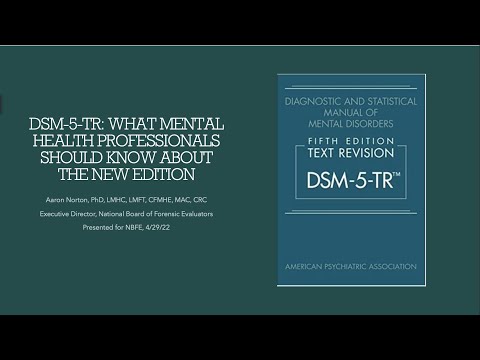
The DSM-5-TR is a big deal in the world of mental health. It stands for the Diagnostic and Statistical Manual of Mental Disorders, Fifth Edition, Text Revision. Basically, it’s a handbook used by professionals to help diagnose mental health conditions. This version builds on the original DSM-5, updating and refining categories and criteria.
Why Do We Need It? You might be thinking, «What’s the point?» Well, having a common language helps everyone in the mental health field—from therapists to researchers—to talk about and understand different conditions consistently. Imagine trying to communicate about something important without using the same words; things could get messy!
How Is It Organized? The DSM-5-TR is organized into three main sections:
- Section I: Introduction and use of the manual.
- Section II: The actual diagnostic criteria for each disorder.
- Section III: Emerging measures and models for assessment.
Each disorder includes a set of criteria that must be met for a diagnosis. Like, if someone has Major Depressive Disorder, they need to show symptoms like low mood or loss of interest over two weeks straight.
Anecdote Time! A friend of mine was feeling really down for months. She thought it was just “a phase» until she went to see a therapist who consulted the DSM-5-TR. After talking through her symptoms based on those clear guidelines, she got diagnosed with depression. This helped her understand what she was going through—it wasn’t just in her head!
Now, let’s talk about some key features of this manual:
- Cultural Considerations: It includes info on how culture shapes mental health diagnoses. This can affect how symptoms are expressed or understood.
- Psycho-social Information: It emphasizes that social factors—like stressors or family dynamics—play a huge role in mental health.
- Evolving Nature: The DSM is always changing as we learn more about mental health. New disorders may be added or existing ones may change based on research findings.
But here’s an interesting twist: not every clinician uses it in exactly the same way! Some might focus heavily on these official criteria while others look at things more holistically.
The Role of Feedback. When professionals gather feedback from clients during sessions, they’re applying what they read from the DSM-5-TR but also pulling from their intuition—a blend that really helps with an accurate diagnosis.
Finally, there are resources galore available related to this guide—like websites and workshops—that dive deeper into understanding these disorders.
So keep in mind that while the DSM-5-TR is super useful for diagnosing mental health conditions, it’s only one piece of the puzzle when it comes to treatment and understanding people’s lives as a whole!
When we talk about the DSM-5 TR, it’s like peeking behind the curtain of mental health diagnosis. You know? This manual is pretty much the go-to guide for mental health professionals in the U.S., laying out all sorts of mental health conditions—like a map for navigating the sometimes tricky maze of human emotions and behaviors.
I remember one time chatting with a therapist friend who was going through some updates in the DSM. She was really excited about how they’ve revised certain criteria to be more inclusive. It’s not just about checking boxes; it’s about recognizing people as they are, with all their complexities. When you see a patient and you can connect their experiences to these updates, it feels like you’re actually making a difference in their lives. That’s powerful stuff!
But here’s the thing—while having this manual is super useful, it doesn’t cover everything. Life has its own rules that often don’t fit neatly into categories. I mean, some folks might present symptoms that seem to fall under multiple conditions, or they may have experiences that just don’t match any diagnosis at all. And that can be frustrating for both therapists and patients.
Plus, there’s this ongoing conversation about language in mental health treatment. The DSM-5 TR uses clinical terminology that can sometimes feel cold or impersonal, which isn’t what anyone wants when they’re dealing with something so intensely personal as mental health struggles. It’s essential for professionals to remember they’re not just diagnosing; they’re helping real people navigate their lives.
You also have to consider cultural differences! What might be considered a disorder in one culture could be seen as normal behavior in another. This cultural lens is vital for therapy and understanding clients’ unique backgrounds.
So yeah, while the DSM-5 TR PDF offers structure and guidelines that are undeniably helpful for mental health pros, it’s crucial to approach its use with flexibility and empathy. Because at the end of the day, it’s all about people finding their way toward healing—and everyone deserves that chance!